Flow Cytometry Analysis and Sorting, Small Particle Instruments, Confocal Microscopes and In-Vivo Imaging
ICBR-Cytometry@ad.ufl.edu | (352) 273-6032 | RRID:SCR_019119
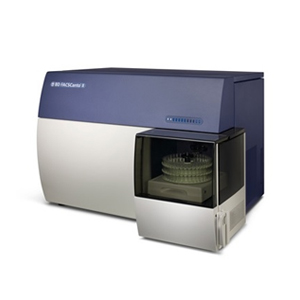
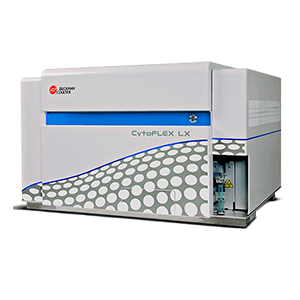
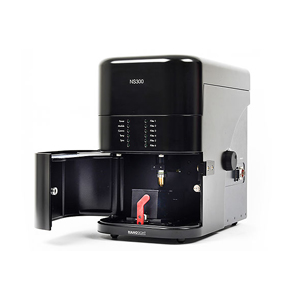
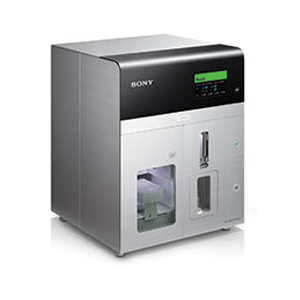
The Cytometry & Optical Microscopy core provides a wide range of tools and expert staff support for analyzing and imaging live cells, fixed cells, tissue sections, and small particles (e.g.: like EVs, exosomes, liposomes). The Core has several flow cytometers, from simple entry-level analyzers to high-end 5-laser, 146-parameter spectral instruments for cell analysis. It also includes cell sorters capable of collecting up to six distinct populations, including the BD Symphony S6, BD Fusion, and Sony SH800. Our collection of analyzing cytometers includes several traditional filter-based systems (Cytoflex LX, Accuri, Canto, Symphony A3) as well as spectral analyzers (Sony ID7000 and Cytek Aurora). For those who are working with small particles, the Core also has a NanoFCM and a NanoSight NS300.
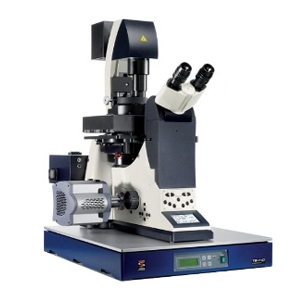
In addition, the Core has confocal and widefield microscopes. These systems are equipped to accommodate a wide range of fluorescent labels, from near-UV to far-red wavelengths. Our imaging capabilities include advanced techniques such as FLIM, FRET, FRAP, image stitching, 3D processing, and in vitro time-lapse imaging.
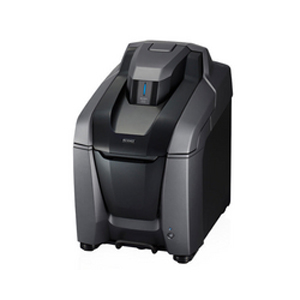
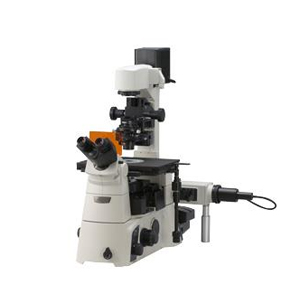
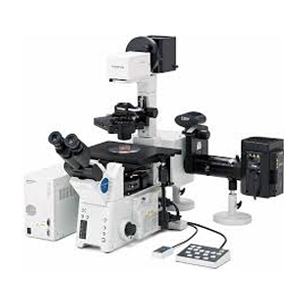
We offer a range of microscope platforms, including a white-light laser–equipped Leica Stellaris 8 spectral confocal equipped with STED (STimulated Emission Depletion), a Leica SP5 spectral confocal, a Zeiss LSM800 confocal, and two Olympus IX81-DSU spinning disk confocal systems. Our collection of widefield microscopes includes a Keyence BZ-X800 and a Nikon Ti-E configured for live-cell imaging.
Looking for electron microscopy services? Please visit ICBR Electron Microscopy.
University of Florida ICBR Cytometry & Optical Microscopy Core Facility (RRID: SCR_019119)
Click to view recent citation and usage metrics for ICBR Cytometry & Optical Microscopy


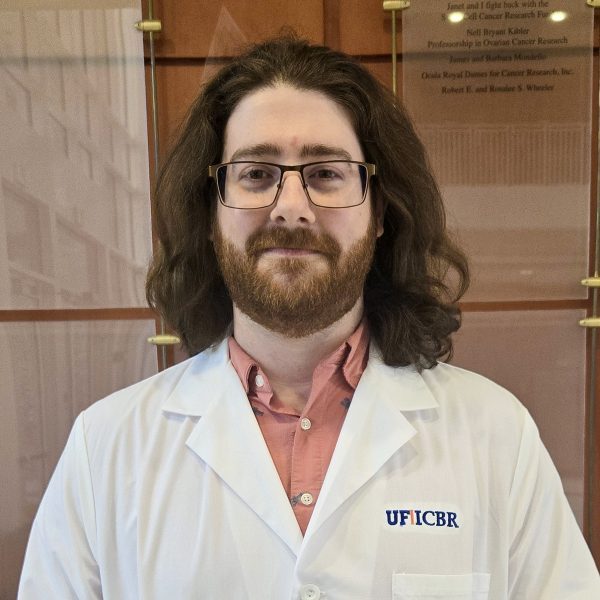
“Working with the UF | ICBR Cytometry core has not only provided much needed real-time expertise to ensure rigor and reproducibility of data, but it also has forged new collaborations across disciplines enhancing both the quality and output of our science!”
– Elias Sayour, M.D., Ph.D.Assistant Professor, Department of Neurosurgery, UF College of Medicine
CYTOMETRY & Optical MIcroscopy
Flow cytometry sorting is used to separate and/or enrich specific subpopulations of cells. The BD Symphony S6 is equipped with 5 lasers (UV, Violet, Blue, Yellow-Green and Red) and 28 fluorescence parameters, enabling to run complex panels and collect up to six populations of interest into tubes (Eppendorf, 5 mL, or 15 mL) or plates. We also provide single-cell sorting into 96-well plates, with index sorting capabilities that allow each cell to be mapped back to its original population within the software. The core offers staff-assisted sorting and training for self-service on the Sony SH800 sorter. ICBR staff are also available to advise on specific sample requirements.
An ICBR staff member will operate the instrument, but the customer must be present to select the location of the images. The customer is responsible for preparing stained slides or cell cultures from live or fixed preparations.
An ICBR staff member will analyze customer-prepared samples and provide a report that includes selected graphs and statistical analyses. Samples must consist of dissociated cells (or subcellular particles) in suspension and are typically stained with one or more fluorescent dyes.
Equipment training is available and must be requested through CrossLab. After completing the training and a practice session, users will have 24/7 access to the instruments. All training sessions are scheduled by core staff at their earliest availability.
A free consultation is recommended before requesting training, as staff can help determine the most appropriate instrument for your project. If needed, please email icbr-cytometry@ad.ufl.edu to schedule a consultation.
A free consultation is recommended before requesting training on any instrument, as staff can help determine the most appropriate option for your project.
A consultation is also required for any drop-off service (analysis, sorting, or imaging) in which Flow Core staff will run samples on behalf of customers.
If needed, please email icbr-cytometry@ad.ufl.edu to schedule a free consultation.
Users may request an annual FlowJo license key through CrossLab. The license can be installed on up to four computers; however, only one user may be logged in at a time.
Flow Cytometry Course (certificate of completion provided)
This course is designed to provide a comprehensive introduction to flow cytometry, covering both the theoretical foundations and practical applications of the technique. Participants will gain a clear understanding of how flow cytometry works, including key principles behind instrumentation and data acquisition.
The course will guide users through essential aspects of instrument operation, proper experimental design, and the implementation of appropriate controls.
Hands-on training is a central component of the course. Participants will learn proper instrument operation and acquire data using beads and a stained 7-color PBMC panel. Following data acquisition, the course will cover critical analysis techniques, including compensation setup on conventional cytometers and spectral unmixing with autofluorescence extraction on spectral instrument.
These topics and practical skills are essential for both new and experienced users, ensuring accurate data generation and effective application of flow cytometry in daily research workflows.
Shape
Course Contents
| Service/Request Type | Instrument | Core | Equipment | ||||||||||
|---|---|---|---|---|---|---|---|---|---|---|---|---|---|
Bioinformatics Service Fees | Header | Bioinformatics | Visit Bioinformatics: Home | Core Resources | ||||||||||
| Consultation and Training | Consultation and Training | Bioinformatics | Contact UF | ICBR Bioinformatics for Consultation and Training: ICBR-Bioinformatics@ad.ufl.edu /// 352.273.8049 | ||||||||||
| Bioinformatics training | Consultation and Training | Bioinformatics | Bioinformatics training General category for bioinformatics work. UF | ICBR Bioinformatics /// ICBR-Bioinformatics@ad.ufl.edu /// 352.273.8049
| No | |||||||||
| Consultation | Consultation and Training | Bioinformatics | Consultation General category for bioinformatics work. UF | ICBR Bioinformatics /// ICBR-Bioinformatics@ad.ufl.edu /// 352.273.8049
| No | |||||||||
| R&D | Consultation and Training | Bioinformatics | R&D General category for bioinformatics work. UF | ICBR Bioinformatics /// ICBR-Bioinformatics@ad.ufl.edu /// 352.273.8049
| No | |||||||||
| Customized Data Analysis | Customized Data Analysis | Bioinformatics | Contact UF | ICBR Bioinformatics for Customized Data Analysis: ICBR-Bioinformatics@ad.ufl.edu /// 352.273.8049 | ||||||||||
| Ad-hoc analysis services | Customized Data Analysis | Bioinformatics | Ad-hoc analysis services General category for bioinformatics work, including development of methods and software tools. Ad-hoc analysis services includes ad-hoc analysis, development of software tools and pipelines. UF | ICBR Bioinformatics /// ICBR-Bioinformatics@ad.ufl.edu /// 352.273.8049
| No | |||||||||
| Genome/Transcriptome Assembly and Annotation | Genome/Transcriptome Assembly and Annotation | Bioinformatics | Contact UF | ICBR Bioinformatics for Genome/Transcriptome Assembly and Annotation: ICBR-Bioinformatics@ad.ufl.edu /// 352.273.8049 | ||||||||||
| Extended analysis | Genome/Transcriptome Assembly and Annotation | Bioinformatics | Extended analysis General category for bioinformatics work. UF | ICBR Bioinformatics /// ICBR-Bioinformatics@ad.ufl.edu /// 352.273.8049
| No | |||||||||
| Standard analysis | Genome/Transcriptome Assembly and Annotation | Bioinformatics | Standard analysis General category for bioinformatics work. UF | ICBR Bioinformatics /// ICBR-Bioinformatics@ad.ufl.edu /// 352.273.8049
| No | |||||||||
| Metagenomics Analysis | Metagenomics Analysis | Bioinformatics | Contact UF | ICBR Bioinformatics for Metagenomics Analysis: ICBR-Bioinformatics@ad.ufl.edu /// 352.273.8049 | ||||||||||
| Extended analysis | Metagenomics Analysis | Bioinformatics | Extended analysis General category for bioinformatics work. UF | ICBR Bioinformatics /// ICBR-Bioinformatics@ad.ufl.edu /// 352.273.8049
| No | |||||||||
| Standard analysis | Metagenomics Analysis | Bioinformatics | Standard analysis General category for bioinformatics work. UF | ICBR Bioinformatics /// ICBR-Bioinformatics@ad.ufl.edu /// 352.273.8049
| No | |||||||||
| Quantitative DNA Sequence Mapping | Quantitative DNA Sequence Mapping | Bioinformatics | Contact UF | ICBR Bioinformatics for Quantitative DNA Sequence Mapping: ICBR-Bioinformatics@ad.ufl.edu /// 352.273.8049 | ||||||||||
| Extended analysis | Quantitative DNA Sequence Mapping | Bioinformatics | Extended analysis General category for bioinformatics work. UF | ICBR Bioinformatics /// ICBR-Bioinformatics@ad.ufl.edu /// 352.273.8049
| No | |||||||||
| Standard analysis | Quantitative DNA Sequence Mapping | Bioinformatics | Standard analysis General category for bioinformatics work. UF | ICBR Bioinformatics /// ICBR-Bioinformatics@ad.ufl.edu /// 352.273.8049
| No | |||||||||
| Sequence Variation Analysis | Sequence Variation Analysis | Bioinformatics | Contact UF | ICBR Bioinformatics for Sequence Variation Analysis: ICBR-Bioinformatics@ad.ufl.edu /// 352.273.8049 | ||||||||||
| Extended analysis | Sequence Variation Analysis | Bioinformatics | Extended analysis General category for bioinformatics work. UF | ICBR Bioinformatics /// ICBR-Bioinformatics@ad.ufl.edu /// 352.273.8049
| No | |||||||||
| Standard analysis | Sequence Variation Analysis | Bioinformatics | Standard analysis General category for bioinformatics work. UF | ICBR Bioinformatics /// ICBR-Bioinformatics@ad.ufl.edu /// 352.273.8049
| No | |||||||||
| Single Cell Analysis | Single Cell Analysis | Bioinformatics | Contact UF | ICBR Bioinformatics for Single Cell Analysis: ICBR-Bioinformatics@ad.ufl.edu /// 352.273.8049 | ||||||||||
| Single-cell RNA-Seq | Single Cell Analysis | Bioinformatics | Single-cell RNA-SeqUF | ICBR Bioinformatics /// ICBR-Bioinformatics@ad.ufl.edu /// 352.273.8049
| No | |||||||||
| Transcriptome Analysis | Transcriptome Analysis | Bioinformatics | Contact UF | ICBR Bioinformatics for Transcriptome Analysis: ICBR-Bioinformatics@ad.ufl.edu /// 352.273.8049 | ||||||||||
| Extended analysis | Transcriptome Analysis | Bioinformatics | Extended analysis General category for bioinformatics work. UF | ICBR Bioinformatics /// ICBR-Bioinformatics@ad.ufl.edu /// 352.273.8049
| No | |||||||||
| Standard analysis | Transcriptome Analysis | Bioinformatics | Standard analysis General category for bioinformatics work. UF | ICBR Bioinformatics /// ICBR-Bioinformatics@ad.ufl.edu /// 352.273.8049
| No | |||||||||
| Other services | Other services | Bioinformatics | Contact UF | ICBR Bioinformatics for Other services: ICBR-Bioinformatics@ad.ufl.edu /// 352.273.8049 | ||||||||||
| Customer data management | Other services | Bioinformatics | Customer data managementUF | ICBR Bioinformatics /// ICBR-Bioinformatics@ad.ufl.edu /// 352.273.8049
| No | |||||||||
| IPA analysis | Other services | Bioinformatics | IPA analysisUF | ICBR Bioinformatics /// ICBR-Bioinformatics@ad.ufl.edu /// 352.273.8049
| No | |||||||||
Cytometry Service Fees | Header | Cytometry | Visit Cytometry: Home | Core Resources | ||||||||||
| Courses | Courses | Cytometry | Contact UF | ICBR Cytometry for Courses: ICBR-Cytometry@ad.ufl.edu /// 352.273.8186 | ||||||||||
| Flow Cytometry Course | Courses | Cytometry | Flow Cytometry Course This course is designed to provide a comprehensive introduction to flow cytometry, covering both the theoretical foundations and practical applications of the technique. Participants will gain a clear understanding of how flow cytometry works, including key principles behind instrumentation and data acquisition. The course will guide users through essential aspects of instrument operation, proper experimental design, and the implementation of appropriate controls. Hands-on training is a central component of the course. Participants will learn proper instrument operation and acquire data using beads and a stained 7-color PBMC panel. Following data acquisition, the course will cover critical analysis techniques, including compensation setup on conventional cytometers and spectral unmixing with autofluorescence extraction on spectral instrument. These topics and practical skills are essential for both new and experienced users, ensuring accurate data generation and effective application of flow cytometry in daily research workflows. Certificate of completion provided for the attendees. Course contents include introduction to flow cytometry instrumentation covering fluidics, optics, and electronics, proper voltage setup and its importance in data quality, understanding staining index and titration (MFI) curves, correct use of controls including unstained, positive/negative, and biological controls, use of Fc block to prevent non-specific staining, proper compensation and use of FMO (fluorescence minus one) controls, and hands-on acquisition of human peripheral blood mononuclear cells (PBMCs) using a basic 7-color panel. UF | ICBR Cytometry /// ICBR-Cytometry@ad.ufl.edu /// 352.273.8186
| No | |||||||||
| Cytometers | Cytometers | Cytometry | Contact UF | ICBR Cytometry for Cytometers: ICBR-Cytometry@ad.ufl.edu /// 352.273.8186 | ||||||||||
| Accuri C6 Plus - Self Service | Cytometers | Accuri C6 Plus | Cytometry | Accuri C6 Plus - Self Service The BD Accuri C6 Plus is equipped with two lasers (blue and red), four fluorescence detectors, and two light scatter detectors, enabling multiparametric analysis of cells using commonly used fluorochromes such as FITC, PE, PerCP, and APC. The system incorporates a unique non-pressurized fluidics system driven by a peristaltic pump, which enables accurate volumetric counting. There are no PMT voltages to adjust. Location: CGRC 292 UF | ICBR Cytometry /// ICBR-Cytometry@ad.ufl.edu /// 352.273.8186
| Yes | ||||||||
| Accuri C6 Plus - Staff Assisted | Cytometers | Accuri C6 Plus | Cytometry | Accuri C6 Plus - Staff Assisted The BD Accuri C6 Plus is equipped with two lasers (blue and red), four fluorescence detectors, and two light scatter detectors, enabling multiparametric analysis of cells using commonly used fluorochromes such as FITC, PE, PerCP, and APC. The system incorporates a unique non-pressurized fluidics system driven by a peristaltic pump, which enables accurate volumetric counting. There are no PMT voltages to adjust. Location: CGRC 292 UF | ICBR Cytometry /// ICBR-Cytometry@ad.ufl.edu /// 352.273.8186
| No | ||||||||
| Accuri C6 Plus - Training | Cytometers | Accuri C6 Plus | Cytometry | Accuri C6 Plus - Training The BD Accuri C6 Plus is equipped with two lasers (blue and red), four fluorescence detectors, and two light scatter detectors, enabling multiparametric analysis of cells using commonly used fluorochromes such as FITC, PE, PerCP, and APC. The system incorporates a unique non-pressurized fluidics system driven by a peristaltic pump, which enables accurate volumetric counting. There are no PMT voltages to adjust. Location: CGRC 292 UF | ICBR Cytometry /// ICBR-Cytometry@ad.ufl.edu /// 352.273.8186
| No | ||||||||
| Canto - Self Service | Cytometers | Cytometry | Canto - Self Service Canto-II has 3 lasers (Violet, Blue and Red) with 8 fluorescence detectors. This instrument runs FACS Diva software. Locations: MBI UF | ICBR Cytometry /// ICBR-Cytometry@ad.ufl.edu /// 352.273.8186
| Yes | |||||||||
| Canto - Staff Assisted | Cytometers | Cytometry | Canto - Staff Assisted Canto-II has 3 lasers (Violet, Blue and Red) with 8 fluorescence detectors. This instrument runs FACS Diva software. Locations: MBI UF | ICBR Cytometry /// ICBR-Cytometry@ad.ufl.edu /// 352.273.8186
| No | |||||||||
| Canto - Training | Cytometers | Cytometry | Canto - Training Canto-II has 3 lasers (Violet, Blue and Red) with 8 fluorescence detectors. This instrument runs FACS Diva software. Locations: MBI UF | ICBR Cytometry /// ICBR-Cytometry@ad.ufl.edu /// 352.273.8186
| No | |||||||||
| Cytek Aurora - Self Service | Cytometers | Cytometry | Cytek Aurora - Self Service The Cytek Aurora spectral flow cytometer uses spectral technology to optimize sensitivity and enhance dim signal detection. This 3-laser (Violet, Blue and Red) system with 38 detectors can detect the full spectral emission of each fluorochrome off each laser excitation, accommodating fluorochromes from BV421 to APC-Fire 810. Spectral unmixing works well for single color assays to high parameter panels due to less photon counting errors, tighter populations, and autofluorescence extraction making difficult high autofluorescence tissues/cells easier to analyze. Location: CGRC UF | ICBR Cytometry /// ICBR-Cytometry@ad.ufl.edu /// 352.273.8186
| Yes | |||||||||
| Cytek Aurora - Staff Assisted | Cytometers | Cytometry | Cytek Aurora - Staff Assisted The Cytek Aurora spectral flow cytometer uses spectral technology to optimize sensitivity and enhance dim signal detection. This 3-laser (Violet, Blue and Red) system with 38 detectors can detect the full spectral emission of each fluorochrome off each laser excitation, accommodating fluorochromes from BV421 to APC-Fire 810. Spectral unmixing works well for single color assays to high parameter panels due to less photon counting errors, tighter populations, and autofluorescence extraction making difficult high autofluorescence tissues/cells easier to analyze. Location: CGRC UF | ICBR Cytometry /// ICBR-Cytometry@ad.ufl.edu /// 352.273.8186
| No | |||||||||
| Cytek Aurora - Training | Cytometers | Cytometry | Cytek Aurora - Training The Cytek Aurora spectral flow cytometer uses spectral technology to optimize sensitivity and enhance dim signal detection. This 3-laser (Violet, Blue and Red) system with 38 detectors can detect the full spectral emission of each fluorochrome off each laser excitation, accommodating fluorochromes from BV421 to APC-Fire 810. Spectral unmixing works well for single color assays to high parameter panels due to less photon counting errors, tighter populations, and autofluorescence extraction making difficult high autofluorescence tissues/cells easier to analyze. Location: CGRC UF | ICBR Cytometry /// ICBR-Cytometry@ad.ufl.edu /// 352.273.8186
| No | |||||||||
| Cytoflex LX - Self Service | Cytometers | Cytoflex LX | Cytometry | Cytoflex LX - Self ServiceUF | ICBR Cytometry /// ICBR-Cytometry@ad.ufl.edu /// 352.273.8186
| Yes | ||||||||
| Cytoflex LX - Staff Assisted | Cytometers | Cytoflex LX | Cytometry | Cytoflex LX - Staff AssistedUF | ICBR Cytometry /// ICBR-Cytometry@ad.ufl.edu /// 352.273.8186
| No | ||||||||
| Cytoflex LX - Training | Cytometers | Cytoflex LX | Cytometry | Cytoflex LX - TrainingUF | ICBR Cytometry /// ICBR-Cytometry@ad.ufl.edu /// 352.273.8186
| No | ||||||||
| Fusion - Self-Service | Cytometers | Orbitrap Fusion | Cytometry | Fusion - Self-Service The BD FACSAria Fusion cell sorter has UV, Violet, Blue, Yellow/Green and Red lasers and is capable of detecting 18 colors. The instrument can collect 4 different populations into 1.5, 5, or 15-mL tubes or 96-well plates. BD FACSAria Fusion has precisely integrated fluidic and optical systems to maximize signal detection. Location: CGRC UF | ICBR Cytometry /// ICBR-Cytometry@ad.ufl.edu /// 352.273.8186
| Yes | ||||||||
| Fusion - Staff Assisted | Cytometers | Orbitrap Fusion | Cytometry | Fusion - Staff Assisted The BD FACSAria Fusion cell sorter has UV, Violet, Blue, Yellow/Green and Red lasers and is capable of detecting 18 colors. The instrument can collect 4 different populations into 1.5, 5, or 15-mL tubes or 96-well plates. BD FACSAria Fusion has precisely integrated fluidic and optical systems to maximize signal detection. Location: CGRC UF | ICBR Cytometry /// ICBR-Cytometry@ad.ufl.edu /// 352.273.8186
| No | ||||||||
| Fusion - Training | Cytometers | Orbitrap Fusion | Cytometry | Fusion - Training The BD FACSAria Fusion cell sorter has UV, Violet, Blue, Yellow/Green and Red lasers and is capable of detecting 18 colors. The instrument can collect 4 different populations into 1.5, 5, or 15-mL tubes or 96-well plates. BD FACSAria Fusion has precisely integrated fluidic and optical systems to maximize signal detection. Location: CGRC UF | ICBR Cytometry /// ICBR-Cytometry@ad.ufl.edu /// 352.273.8186
| No | ||||||||
| NanoFCM - Self Service | Cytometers | NanoFCM | Cytometry | NanoFCM - Self Service The NanoFCM is a nano-flow cytometry instrument that allows the measurement of liposomes, nanoparticles, biological particles such as extracellular vesicles (otherwise known as EVs or exosomes) and viruses when fluorescently labelled or not. Equipped with two lasers (Blue and Red), two fluorescence detectors and one side scatter detector. It can measure particle size, size distribution concentration and the presence of markers stemming from fluorescence labelling in only one-minute run time. This device is compatible with a wide range of labelling strategies, such as GPF, immuno-labelling with fluorescently tagged antibodies, nucleic acid dyes and membrane dyes. The NanoFCM dynamic measurement range for extracellular vesicles 40nm to 1μm, which covers most of the exosome and microvesicles fractions Location: CGRC 292 UF | ICBR Cytometry /// ICBR-Cytometry@ad.ufl.edu /// 352.273.8186
| Yes | ||||||||
| NanoFCM - Staff Assisted | Cytometers | NanoFCM | Cytometry | NanoFCM - Staff Assisted The NanoFCM is a nano-flow cytometry instrument that allows the measurement of liposomes, nanoparticles, biological particles such as extracellular vesicles (otherwise known as EVs or exosomes) and viruses when fluorescently labelled or not. Equipped with two lasers (Blue and Red), two fluorescence detectors and one side scatter detector. It can measure particle size, size distribution concentration and the presence of markers stemming from fluorescence labelling in only one-minute run time. This device is compatible with a wide range of labelling strategies, such as GPF, immuno-labelling with fluorescently tagged antibodies, nucleic acid dyes and membrane dyes. The NanoFCM dynamic measurement range for extracellular vesicles 40nm to 1μm, which covers most of the exosome and microvesicles fractions Location: CGRC 292 UF | ICBR Cytometry /// ICBR-Cytometry@ad.ufl.edu /// 352.273.8186
| No | ||||||||
| NanoFCM - Training | Cytometers | NanoFCM | Cytometry | NanoFCM - Training The NanoFCM is a nano-flow cytometry instrument that allows the measurement of liposomes, nanoparticles, biological particles such as extracellular vesicles (otherwise known as EVs or exosomes) and viruses when fluorescently labelled or not. Equipped with two lasers (Blue and Red), two fluorescence detectors and one side scatter detector. It can measure particle size, size distribution concentration and the presence of markers stemming from fluorescence labelling in only one-minute run time. This device is compatible with a wide range of labelling strategies, such as GPF, immuno-labelling with fluorescently tagged antibodies, nucleic acid dyes and membrane dyes. The NanoFCM dynamic measurement range for extracellular vesicles 40nm to 1μm, which covers most of the exosome and microvesicles fractions Location: CGRC 292 UF | ICBR Cytometry /// ICBR-Cytometry@ad.ufl.edu /// 352.273.8186
| No | ||||||||
| NS300 - Self Service | Cytometers | NS300 | Cytometry | NS300 - Self Service The NS300 is a nanoparticle counter and sizer. It illuminates the particles with a 488nm laser. A video camera records light scattering from the particles, and the software generates size profiles through nanoparticle tracking analysis, based on their Brownian motion. Fluorescence discrimination of particles is also possible. Samples containing nanoparticles in aqueous solution in the size range of 70-1000 nanometers can be measured. Location: CGRC 292 UF | ICBR Cytometry /// ICBR-Cytometry@ad.ufl.edu /// 352.273.8186
| Yes | ||||||||
| NS300 - Staff Assisted | Cytometers | NS300 | Cytometry | NS300 - Staff Assisted The NS300 is a nanoparticle counter and sizer. It illuminates the particles with a 488nm laser. A video camera records light scattering from the particles, and the software generates size profiles through nanoparticle tracking analysis, based on their Brownian motion. Fluorescence discrimination of particles is also possible. Samples containing nanoparticles in aqueous solution in the size range of 70-1000 nanometers can be measured. Location: CGRC 292 UF | ICBR Cytometry /// ICBR-Cytometry@ad.ufl.edu /// 352.273.8186
| No | ||||||||
| NS300 - Training | Cytometers | NS300 | Cytometry | NS300 - Training The NS300 is a nanoparticle counter and sizer. It illuminates the particles with a 488nm laser. A video camera records light scattering from the particles, and the software generates size profiles through nanoparticle tracking analysis, based on their Brownian motion. Fluorescence discrimination of particles is also possible. Samples containing nanoparticles in aqueous solution in the size range of 70-1000 nanometers can be measured. Location: CGRC 292 UF | ICBR Cytometry /// ICBR-Cytometry@ad.ufl.edu /// 352.273.8186
| No | ||||||||
| Sony ID7000 spectral - Self Service | Cytometers | Cytometry | Sony ID7000 spectral - Self Service The Sony ID7000 spectral cell analyzer supports high-parameter flow cytometry by delivering comprehensive information about heterogeneous cell populations, with high sensitivity to detect dim and rare populations. The ID7000 has 5 lasers (355, 405, 488, 561, 637 nm) and 146 detectors enabling researchers to perform experiments using 40 colors or more. The system also has advanced autofluorescence separation with up to 5 individual signatures; plate loader (96 and 384 well plate)/tube rack with capability to automatically load up to 24 tubes; automated hands-off operation with the ability to mix, switch and record samples, as well as shut down and power off at the end of the run. Also, Sony provides free software to the users. Locations: MBI L3-160, CGRC 292 UF | ICBR Cytometry /// ICBR-Cytometry@ad.ufl.edu /// 352.273.8186
| Yes | |||||||||
| Sony ID7000 spectral - Staff Assisted | Cytometers | Cytometry | Sony ID7000 spectral - Staff Assisted The Sony ID7000 spectral cell analyzer supports high-parameter flow cytometry by delivering comprehensive information about heterogeneous cell populations, with high sensitivity to detect dim and rare populations. The ID7000 has 5 lasers (355, 405, 488, 561, 637 nm) and 146 detectors enabling researchers to perform experiments using 40 colors or more. The system also has advanced autofluorescence separation with up to 5 individual signatures; plate loader (96 and 384 well plate)/tube rack with capability to automatically load up to 24 tubes; automated hands-off operation with the ability to mix, switch and record samples, as well as shut down and power off at the end of the run. Also, Sony provides free software to the users. Locations: MBI L3-160, CGRC 292 UF | ICBR Cytometry /// ICBR-Cytometry@ad.ufl.edu /// 352.273.8186
| No | |||||||||
| Sony ID7000 spectral - Training | Cytometers | Cytometry | Sony ID7000 spectral - Training The Sony ID7000 spectral cell analyzer supports high-parameter flow cytometry by delivering comprehensive information about heterogeneous cell populations, with high sensitivity to detect dim and rare populations. The ID7000 has 5 lasers (355, 405, 488, 561, 637 nm) and 146 detectors enabling researchers to perform experiments using 40 colors or more. The system also has advanced autofluorescence separation with up to 5 individual signatures; plate loader (96 and 384 well plate)/tube rack with capability to automatically load up to 24 tubes; automated hands-off operation with the ability to mix, switch and record samples, as well as shut down and power off at the end of the run. Also, Sony provides free software to the users. Locations: MBI L3-160, CGRC 292 UF | ICBR Cytometry /// ICBR-Cytometry@ad.ufl.edu /// 352.273.8186
| No | |||||||||
| Sony Sorter SH800 - Chip | Cytometers | Cytometry | Sony Sorter SH800 - Chip This instrument is equipped with 3 lasers (Violet, Blue and Red) and 14 fluorescence detectors. It can sort cells at rates of up to 5,000 per second, and offers 2-way sorting into tubes. This instrument is available for training and subsequent self-service use. Location: CGRC 292 UF | ICBR Cytometry /// ICBR-Cytometry@ad.ufl.edu /// 352.273.8186
| No | |||||||||
| Sony Sorter SH800 - Self Service | Cytometers | Cytometry | Sony Sorter SH800 - Self Service This instrument is equipped with 3 lasers (Violet, Blue and Red) and 14 fluorescence detectors. It can sort cells at rates of up to 5,000 per second, and offers 2-way sorting into tubes. This instrument is available for training and subsequent self-service use. Location: CGRC 292 UF | ICBR Cytometry /// ICBR-Cytometry@ad.ufl.edu /// 352.273.8186
| Yes | |||||||||
| Sony Sorter SH800 - Staff Assisted | Cytometers | Cytometry | Sony Sorter SH800 - Staff Assisted This instrument is equipped with 3 lasers (Violet, Blue and Red) and 14 fluorescence detectors. It can sort cells at rates of up to 5,000 per second, and offers 2-way sorting into tubes. This instrument is available for training and subsequent self-service use. Location: CGRC 292 UF | ICBR Cytometry /// ICBR-Cytometry@ad.ufl.edu /// 352.273.8186
| No | |||||||||
| Sony Sorter SH800 - Training | Cytometers | Cytometry | Sony Sorter SH800 - Training This instrument is equipped with 3 lasers (Violet, Blue and Red) and 14 fluorescence detectors. It can sort cells at rates of up to 5,000 per second, and offers 2-way sorting into tubes. This instrument is available for training and subsequent self-service use. Location: CGRC 292 UF | ICBR Cytometry /// ICBR-Cytometry@ad.ufl.edu /// 352.273.8186
| No | |||||||||
| Symphony A3 - Self Service | Cytometers | BD Symphony | Cytometry | Symphony A3 - Self Service The Cytoflex LX has 6 lasers (Blue, Red, Yellow/Green, Violet UV, and IR) with 21 fluorescence detectors. It can aspirate samples from 5 mL, Eppendorf tube and 96 well plate. This platform has extensive repositionable band pass filters and Avalanche Photodiode Detectors instead of PMTs for increased sensitivity. This instrument runs CytExpert software. Location: CGRC UF | ICBR Cytometry /// ICBR-Cytometry@ad.ufl.edu /// 352.273.8186
| Yes | ||||||||
| Symphony A3 - Staff Assisted | Cytometers | BD Symphony | Cytometry | Symphony A3 - Staff Assisted The Cytoflex LX has 6 lasers (Blue, Red, Yellow/Green, Violet UV, and IR) with 21 fluorescence detectors. It can aspirate samples from 5 mL, Eppendorf tube and 96 well plate. This platform has extensive repositionable band pass filters and Avalanche Photodiode Detectors instead of PMTs for increased sensitivity. This instrument runs CytExpert software. Location: CGRC UF | ICBR Cytometry /// ICBR-Cytometry@ad.ufl.edu /// 352.273.8186
| No | ||||||||
| Symphony A3 - Training | Cytometers | BD Symphony | Cytometry | Symphony A3 - Training The Cytoflex LX has 6 lasers (Blue, Red, Yellow/Green, Violet UV, and IR) with 21 fluorescence detectors. It can aspirate samples from 5 mL, Eppendorf tube and 96 well plate. This platform has extensive repositionable band pass filters and Avalanche Photodiode Detectors instead of PMTs for increased sensitivity. This instrument runs CytExpert software. Location: CGRC UF | ICBR Cytometry /// ICBR-Cytometry@ad.ufl.edu /// 352.273.8186
| No | ||||||||
| Symphony S6 - Staff Assisted | Cytometers | BD Symphony | Cytometry | Symphony S6 - Staff Assisted The BD Symphony A3 has 5 lasers (UV, Violet, Blue, Yellow/Green and Red) with 28 fluorescence detectors. The system incorporates advanced optics and ultra-quiet electronics, including high-performance photomultiplier tube (PMT) detector arrays. Locations: MBI UF | ICBR Cytometry /// ICBR-Cytometry@ad.ufl.edu /// 352.273.8186
| No | ||||||||
| Histology | Histology | Cytometry | Contact UF | ICBR Cytometry for Histology: ICBR-Cytometry@ad.ufl.edu /// 352.273.8186 | ||||||||||
| Leica VT1000S Vibratome - Self Service | Histology | Leica Microscope | Cytometry | Leica VT1000S Vibratome - Self ServiceUF | ICBR Cytometry /// ICBR-Cytometry@ad.ufl.edu /// 352.273.8186
| Yes | ||||||||
| Microm HM325 Microtome - Self Service | Histology | Microtome | Cytometry | Microm HM325 Microtome - Self Service Microm HM325 microtome for cutting paraffin embedded tissue sections. Users must provide their own supplies (including blades, slides, and cover-slips). For paraffin tissue processing & embedding services, see the Molecular Pathology Core at: https://molecular.pathology.ufl.edu/ Self Service Only - Training or Staff Assisted Operation is not available for this instrument. Location: CTAC Histology Resource Lab (MBI L3-192) UF | ICBR Cytometry /// ICBR-Cytometry@ad.ufl.edu /// 352.273.8186
| Yes | ||||||||
| Microm HM505E Cryostat - Self Service | Histology | Cryostat | Cytometry | Microm HM505E Cryostat - Self Service Microm HM505E cryostat for cutting OCT frozen tissue sections. Users must provide their own supplies (including blades, OCT, slides, cover-slips, and tissue chucks (AKA specimen discs)). Self Service Only - Training or Staff Assisted Operation is not available for this instrument. Location: CTAC Histology Resource Lab (MBI L3-192) UF | ICBR Cytometry /// ICBR-Cytometry@ad.ufl.edu /// 352.273.8186
| Yes | ||||||||
| In-Vivo Imaging | In-Vivo Imaging | Cytometry | Contact UF | ICBR Cytometry for In-Vivo Imaging: ICBR-Cytometry@ad.ufl.edu /// 352.273.8186 | ||||||||||
| SII Lago Luminescence Imager - Self Service | In-Vivo Imaging | Cytometry | SII Lago Luminescence Imager - Self Service The SII Lago system includes an isoflurane vaporizer unit for in-vivo experiments. Users must provide their own isoflurane and charcoal scrubbers. Medical grade oxygen for running the vaporizer is provided with the system. Users must provide any other necessary reagents/supplies for prepping their samples. For paraffin tissue processing & embedding services, see the Molecular Pathology Core at: https://molecular.pathology.ufl.edu/ Location: CTAC Imaging Suite (MBI LG-164) UF | ICBR Cytometry /// ICBR-Cytometry@ad.ufl.edu /// 352.273.8186
| Yes | |||||||||
| SII Lago Luminescence Imager - Training | In-Vivo Imaging | Cytometry | SII Lago Luminescence Imager - Training The SII Lago system includes an isoflurane vaporizer unit for in-vivo experiments. Users must provide their own isoflurane and charcoal scrubbers. Medical grade oxygen for running the vaporizer is provided with the system. Users must provide any other necessary reagents/supplies for prepping their samples. For paraffin tissue processing & embedding services, see the Molecular Pathology Core at: https://molecular.pathology.ufl.edu/ Location: CTAC Imaging Suite (MBI LG-164) UF | ICBR Cytometry /// ICBR-Cytometry@ad.ufl.edu /// 352.273.8186
| No | |||||||||
| Microscopes | Microscopes | Cytometry | Contact UF | ICBR Cytometry for Microscopes: ICBR-Cytometry@ad.ufl.edu /// 352.273.8186 | ||||||||||
| Keyence BZ-X800 Microscope - Self Service | Microscopes | Keyence BZ-X800 | Cytometry | Keyence BZ-X800 Microscope - Self Service The BZ-X800 Series Microscope is an inverted, fully-motorized microscope capable of performing high-resolution imaging (fluorescence, brightfield, phase-contrast), live cell analysis, well plate and multi-slide screening, and cell quantification with a single platform. With an intuitive, easy-to-use workflow for ease of use. Features include 4X 10X, 20X 40X 63X and 100X oil immersion objectives, fluorescence (Blue, Red Green), brightfield, and phase-contrast capabilities, built-in darkroom all run through the computer, and accommodates slides, dishes, and well-plates. Fully-motorized control of the stage, lenses, and filters enables Z-stack, image stitching, and cell counting with incubation and live-cell imaging options. Location: CGRC 292. UF | ICBR Cytometry /// ICBR-Cytometry@ad.ufl.edu /// 352.273.8186
| Yes | ||||||||
| Keyence BZ-X800 Microscope - Staff Assisted | Microscopes | Keyence BZ-X800 | Cytometry | Keyence BZ-X800 Microscope - Staff Assisted The BZ-X800 Series Microscope is an inverted, fully-motorized microscope capable of performing high-resolution imaging (fluorescence, brightfield, phase-contrast), live cell analysis, well plate and multi-slide screening, and cell quantification with a single platform. With an intuitive, easy-to-use workflow for ease of use. Features include 4X 10X, 20X 40X 63X and 100X oil immersion objectives, fluorescence (Blue, Red Green), brightfield, and phase-contrast capabilities, built-in darkroom all run through the computer, and accommodates slides, dishes, and well-plates. Fully-motorized control of the stage, lenses, and filters enables Z-stack, image stitching, and cell counting with incubation and live-cell imaging options. Location: CGRC 292. UF | ICBR Cytometry /// ICBR-Cytometry@ad.ufl.edu /// 352.273.8186
| No | ||||||||
| Keyence BZ-X800 Microscope - Training | Microscopes | Keyence BZ-X800 | Cytometry | Keyence BZ-X800 Microscope - Training The BZ-X800 Series Microscope is an inverted, fully-motorized microscope capable of performing high-resolution imaging (fluorescence, brightfield, phase-contrast), live cell analysis, well plate and multi-slide screening, and cell quantification with a single platform. With an intuitive, easy-to-use workflow for ease of use. Features include 4X 10X, 20X 40X 63X and 100X oil immersion objectives, fluorescence (Blue, Red Green), brightfield, and phase-contrast capabilities, built-in darkroom all run through the computer, and accommodates slides, dishes, and well-plates. Fully-motorized control of the stage, lenses, and filters enables Z-stack, image stitching, and cell counting with incubation and live-cell imaging options. Location: CGRC 292. UF | ICBR Cytometry /// ICBR-Cytometry@ad.ufl.edu /// 352.273.8186
| No | ||||||||
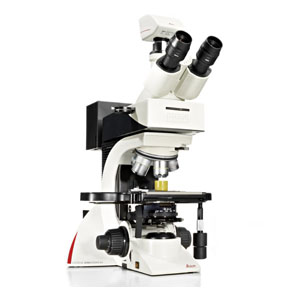
| Leica DM2500 Microscope - Self Service | Microscopes | Leica Microscope | Cytometry | Leica DM2500 Microscope - Self Service Basic manually controlled upright microscope for fluorescent or brightfield samples mounted on slides. Mercury HBO white light lamp for fluorescence excitation and DAPI, GFP, and Texas Red filter cubes. The system also has a Green/Red (dual band) filter cube for simultaneous two channel visual observation. Additional CFP, YFP, and Cy5 filter cubes are available for this microscope if needed. Objectives: 1.25x dry, 5x dry, 10x dry, 20x dry, 40x dry, 63x water. The microscope is equipped with a QImaging Retiga 4000R monochrome camera for fluorescent pseudo-color or brightfield monochrome imaging. This microscope is not equipped for imaging color brightfield stains. Images are acquired using QCapture Pro 7 software. Location: CTAC Imaging Suite (MBI LG-164) UF | ICBR Cytometry /// ICBR-Cytometry@ad.ufl.edu /// 352.273.8186
| Yes | ||||||||
| Leica DM2500 Microscope - Staff Assisted | Microscopes | Leica Microscope | Cytometry | Leica DM2500 Microscope - Staff Assisted Basic manually controlled upright microscope for fluorescent or brightfield samples mounted on slides. Mercury HBO white light lamp for fluorescence excitation and DAPI, GFP, and Texas Red filter cubes. The system also has a Green/Red (dual band) filter cube for simultaneous two channel visual observation. Additional CFP, YFP, and Cy5 filter cubes are available for this microscope if needed. Objectives: 1.25x dry, 5x dry, 10x dry, 20x dry, 40x dry, 63x water. The microscope is equipped with a QImaging Retiga 4000R monochrome camera for fluorescent pseudo-color or brightfield monochrome imaging. This microscope is not equipped for imaging color brightfield stains. Images are acquired using QCapture Pro 7 software. Location: CTAC Imaging Suite (MBI LG-164) UF | ICBR Cytometry /// ICBR-Cytometry@ad.ufl.edu /// 352.273.8186
| No | ||||||||
| Leica DM2500 Microscope - Training | Microscopes | Leica Microscope | Cytometry | Leica DM2500 Microscope - Training Basic manually controlled upright microscope for fluorescent or brightfield samples mounted on slides. Mercury HBO white light lamp for fluorescence excitation and DAPI, GFP, and Texas Red filter cubes. The system also has a Green/Red (dual band) filter cube for simultaneous two channel visual observation. Additional CFP, YFP, and Cy5 filter cubes are available for this microscope if needed. Objectives: 1.25x dry, 5x dry, 10x dry, 20x dry, 40x dry, 63x water. The microscope is equipped with a QImaging Retiga 4000R monochrome camera for fluorescent pseudo-color or brightfield monochrome imaging. This microscope is not equipped for imaging color brightfield stains. Images are acquired using QCapture Pro 7 software. Location: CTAC Imaging Suite (MBI LG-164) UF | ICBR Cytometry /// ICBR-Cytometry@ad.ufl.edu /// 352.273.8186
| No | ||||||||
| Leica SP5 Spectral Confocal Microscope - Self Service | Microscopes | Confocal Microscope | Cytometry | Leica SP5 Spectral Confocal Microscope - Self Service Confocal Microscope; objectives: 10X dry, 20X dry, 40X oil, 63X oil, 100X oil. This instrument has violet (also used for UV), indigo, blue, blue-green, green, and red lasers with 3 fluorescence channels which are totally configurable for any band. Stage: X-Y-Z computer control; tiling. It uses Leica LAS AF. Location: CGRC 292 UF | ICBR Cytometry /// ICBR-Cytometry@ad.ufl.edu /// 352.273.8186
| Yes | ||||||||
| Leica SP5 Spectral Confocal Microscope - Staff Assisted | Microscopes | Confocal Microscope | Cytometry | Leica SP5 Spectral Confocal Microscope - Staff Assisted Confocal Microscope; objectives: 10X dry, 20X dry, 40X oil, 63X oil, 100X oil. This instrument has violet (also used for UV), indigo, blue, blue-green, green, and red lasers with 3 fluorescence channels which are totally configurable for any band. Stage: X-Y-Z computer control; tiling. It uses Leica LAS AF. Location: CGRC 292 UF | ICBR Cytometry /// ICBR-Cytometry@ad.ufl.edu /// 352.273.8186
| No | ||||||||
| Leica SP5 Spectral Confocal Microscope - Training | Microscopes | Confocal Microscope | Cytometry | Leica SP5 Spectral Confocal Microscope - Training Confocal Microscope; objectives: 10X dry, 20X dry, 40X oil, 63X oil, 100X oil. This instrument has violet (also used for UV), indigo, blue, blue-green, green, and red lasers with 3 fluorescence channels which are totally configurable for any band. Stage: X-Y-Z computer control; tiling. It uses Leica LAS AF. Location: CGRC 292 UF | ICBR Cytometry /// ICBR-Cytometry@ad.ufl.edu /// 352.273.8186
| No | ||||||||
| Leica Stellaris 8 Confocal Microscope - Self Service | Microscopes | Confocal Microscope | Cytometry | Leica Stellaris 8 Confocal Microscope - Self Service Confocal (LSCM) - Laser scanning spectral confocal microscope equipped with a variable wavelength White Light Laser (WLL) for fluorescence excitation which may be set to any wavelength from 440 – 790nm. The system is also equipped with a separate 405nm diode laser for working with commonly used DAPI/Hoechst labels. Five emission channels utilizing Leica HyD hybrid detectors with an emission range out to 850nm. Each spectral based (filterless) emission channel is adjustable via the software for wavelength and band width. HyD-X detectors on channels 2 and 4 for FLIM. STED Super-Resolution - The system is also equipped with Leica's STED (STimulated Emission Depletion) super-resolution imaging modality, capable of achieving resolution down to the 30nm range. There are two STED depletion lasers (589 & 775nm) to provide for a broad selection of STED capable fluorescent label options. FLIM (Fluorescence Lifetime IMaging) - Equipped with both the WLL, and two time-sensitive HyD-X detectors, this system may perform FLIM / FALCON (FAst Lifetime CONtrast) based experiments. This technology allows us to assess the lifetime (or 'decay-rate') of fluorescent signals. System Specifications: Leica DMI8 inverted microscope frame. Motorized XY stage movement. Super-Z Galvo stage insert, OkoLab stage-top incubator for imaging samples in 37°C / 5% CO2 / humidified conditions. 8kHz Resonant Scanner. Detector Channels: 5 Hybrid Detectors. Three HyD-S, and two HyD-X, in an "S / X / S / X / S" configuration. Objectives (Standard Configuration): 10x dry, 20x dry, 63x water, 86x water (MotCorr), and 100x oil. Optional* Objectives: 20x LWD dry, 40x dry, 63x oil (Must be installed by core staff.) Confocal Excitation Lasers: 405nm (Fixed), and a tunable White Light Laser (WLL) with adjustable output from 440 - 790nm. STED Depletion Lasers: 589nm and 775nm. Filters (For Confocal Imaging): Filterless spectral detector. Emission band wavelengths are user adjustable from 400 - 850nm via the software. Filters (For Direct 'Eyes' Microscope Observation Only): DAPI-LP, FITC-LP, FITC/TxRed (Dual Band), and TRITC-LP (LP = Long Pass). Software: Leica LAS-X software with Leica STED, LIGHTNING (deconvolution), FALCON (FLIM), FRAP, FRET, and TauSense application modules. Location: MBI Room LG-164 (ICBR Cytometry MBI Imaging Suite). * Optional system configurations must be scheduled with staff in advance, and are only available during regular Mon - Fri (non-Holiday) business hours. UF | ICBR Cytometry /// ICBR-Cytometry@ad.ufl.edu /// 352.273.8186
| Yes | ||||||||
| Leica Stellaris 8 Confocal Microscope - Staff Assisted | Microscopes | Confocal Microscope | Cytometry | Leica Stellaris 8 Confocal Microscope - Staff Assisted Confocal (LSCM) - Laser scanning spectral confocal microscope equipped with a variable wavelength White Light Laser (WLL) for fluorescence excitation which may be set to any wavelength from 440 – 790nm. The system is also equipped with a separate 405nm diode laser for working with commonly used DAPI/Hoechst labels. Five emission channels utilizing Leica HyD hybrid detectors with an emission range out to 850nm. Each spectral based (filterless) emission channel is adjustable via the software for wavelength and band width. HyD-X detectors on channels 2 and 4 for FLIM. STED Super-Resolution - The system is also equipped with Leica's STED (STimulated Emission Depletion) super-resolution imaging modality, capable of achieving resolution down to the 30nm range. There are two STED depletion lasers (589 & 775nm) to provide for a broad selection of STED capable fluorescent label options. FLIM (Fluorescence Lifetime IMaging) - Equipped with both the WLL, and two time-sensitive HyD-X detectors, this system may perform FLIM / FALCON (FAst Lifetime CONtrast) based experiments. This technology allows us to assess the lifetime (or 'decay-rate') of fluorescent signals. System Specifications: Leica DMI8 inverted microscope frame. Motorized XY stage movement. Super-Z Galvo stage insert, OkoLab stage-top incubator for imaging samples in 37°C / 5% CO2 / humidified conditions. 8kHz Resonant Scanner. Detector Channels: 5 Hybrid Detectors. Three HyD-S, and two HyD-X, in an "S / X / S / X / S" configuration. Objectives (Standard Configuration): 10x dry, 20x dry, 63x water, 86x water (MotCorr), and 100x oil. Optional* Objectives: 20x LWD dry, 40x dry, 63x oil (Must be installed by core staff.) Confocal Excitation Lasers: 405nm (Fixed), and a tunable White Light Laser (WLL) with adjustable output from 440 - 790nm. STED Depletion Lasers: 589nm and 775nm. Filters (For Confocal Imaging): Filterless spectral detector. Emission band wavelengths are user adjustable from 400 - 850nm via the software. Filters (For Direct 'Eyes' Microscope Observation Only): DAPI-LP, FITC-LP, FITC/TxRed (Dual Band), and TRITC-LP (LP = Long Pass). Software: Leica LAS-X software with Leica STED, LIGHTNING (deconvolution), FALCON (FLIM), FRAP, FRET, and TauSense application modules. Location: MBI Room LG-164 (ICBR Cytometry MBI Imaging Suite). * Optional system configurations must be scheduled with staff in advance, and are only available during regular Mon - Fri (non-Holiday) business hours. UF | ICBR Cytometry /// ICBR-Cytometry@ad.ufl.edu /// 352.273.8186
| No | ||||||||
| Leica Stellaris 8 Confocal Microscope - Training | Microscopes | Confocal Microscope | Cytometry | Leica Stellaris 8 Confocal Microscope - Training Confocal (LSCM) - Laser scanning spectral confocal microscope equipped with a variable wavelength White Light Laser (WLL) for fluorescence excitation which may be set to any wavelength from 440 – 790nm. The system is also equipped with a separate 405nm diode laser for working with commonly used DAPI/Hoechst labels. Five emission channels utilizing Leica HyD hybrid detectors with an emission range out to 850nm. Each spectral based (filterless) emission channel is adjustable via the software for wavelength and band width. HyD-X detectors on channels 2 and 4 for FLIM. STED Super-Resolution - The system is also equipped with Leica's STED (STimulated Emission Depletion) super-resolution imaging modality, capable of achieving resolution down to the 30nm range. There are two STED depletion lasers (589 & 775nm) to provide for a broad selection of STED capable fluorescent label options. FLIM (Fluorescence Lifetime IMaging) - Equipped with both the WLL, and two time-sensitive HyD-X detectors, this system may perform FLIM / FALCON (FAst Lifetime CONtrast) based experiments. This technology allows us to assess the lifetime (or 'decay-rate') of fluorescent signals. System Specifications: Leica DMI8 inverted microscope frame. Motorized XY stage movement. Super-Z Galvo stage insert, OkoLab stage-top incubator for imaging samples in 37°C / 5% CO2 / humidified conditions. 8kHz Resonant Scanner. Detector Channels: 5 Hybrid Detectors. Three HyD-S, and two HyD-X, in an "S / X / S / X / S" configuration. Objectives (Standard Configuration): 10x dry, 20x dry, 63x water, 86x water (MotCorr), and 100x oil. Optional* Objectives: 20x LWD dry, 40x dry, 63x oil (Must be installed by core staff.) Confocal Excitation Lasers: 405nm (Fixed), and a tunable White Light Laser (WLL) with adjustable output from 440 - 790nm. STED Depletion Lasers: 589nm and 775nm. Filters (For Confocal Imaging): Filterless spectral detector. Emission band wavelengths are user adjustable from 400 - 850nm via the software. Filters (For Direct 'Eyes' Microscope Observation Only): DAPI-LP, FITC-LP, FITC/TxRed (Dual Band), and TRITC-LP (LP = Long Pass). Software: Leica LAS-X software with Leica STED, LIGHTNING (deconvolution), FALCON (FLIM), FRAP, FRET, and TauSense application modules. Location: MBI Room LG-164 (ICBR Cytometry MBI Imaging Suite). * Optional system configurations must be scheduled with staff in advance, and are only available during regular Mon - Fri (non-Holiday) business hours. UF | ICBR Cytometry /// ICBR-Cytometry@ad.ufl.edu /// 352.273.8186
| No | ||||||||
| Nikon Ti-E "Live Cell" Microscope - Self Service | Microscopes | Nikon Microscope | Cytometry | Nikon Ti-E "Live Cell" Microscope - Self Service Inverted widefield microscope with motorized XY stage for fluorescent or brightfield samples. Available Tokai-Hit stage top incubator with active CO2 and temperature regulation, and passive humidity, for imaging live cells in a 35mm dish or a chambered coverglass. Motorized XY stage movement for multi-point time-lapse or tile-mapping (AKA mosaic or stitching). Objectives: 10x dry, 20x dry, 40x dry, and 60x water. Multi-line LED lamp for fluorescent excitation. Fluorescent filter sets: DAPI, GFP/FITC, TRITC, Texas Red, and CY5. Phase Contrast optics for 10x and 20x. DIC (Nomarski) optics for 40x and 60x. Two cameras: Andor Zyla sCMOS 11 bit monochrome for fluorescence, and a Nikon DS-Fi2 color camera for stained brightfield samples. Software: Nikon NIS-Elements v4.51 on a Windows 7 workstation. Location: CTAC Imaging Suite (MBI LG-164) UF | ICBR Cytometry /// ICBR-Cytometry@ad.ufl.edu /// 352.273.8186
| Yes | ||||||||
| Nikon Ti-E "Live Cell" Microscope - Staff Assisted | Microscopes | Nikon Microscope | Cytometry | Nikon Ti-E "Live Cell" Microscope - Staff Assisted Inverted widefield microscope with motorized XY stage for fluorescent or brightfield samples. Available Tokai-Hit stage top incubator with active CO2 and temperature regulation, and passive humidity, for imaging live cells in a 35mm dish or a chambered coverglass. Motorized XY stage movement for multi-point time-lapse or tile-mapping (AKA mosaic or stitching). Objectives: 10x dry, 20x dry, 40x dry, and 60x water. Multi-line LED lamp for fluorescent excitation. Fluorescent filter sets: DAPI, GFP/FITC, TRITC, Texas Red, and CY5. Phase Contrast optics for 10x and 20x. DIC (Nomarski) optics for 40x and 60x. Two cameras: Andor Zyla sCMOS 11 bit monochrome for fluorescence, and a Nikon DS-Fi2 color camera for stained brightfield samples. Software: Nikon NIS-Elements v4.51 on a Windows 7 workstation. Location: CTAC Imaging Suite (MBI LG-164) UF | ICBR Cytometry /// ICBR-Cytometry@ad.ufl.edu /// 352.273.8186
| No | ||||||||
| Nikon Ti-E "Live Cell" Microscope - Training | Microscopes | Nikon Microscope | Cytometry | Nikon Ti-E "Live Cell" Microscope - Training Inverted widefield microscope with motorized XY stage for fluorescent or brightfield samples. Available Tokai-Hit stage top incubator with active CO2 and temperature regulation, and passive humidity, for imaging live cells in a 35mm dish or a chambered coverglass. Motorized XY stage movement for multi-point time-lapse or tile-mapping (AKA mosaic or stitching). Objectives: 10x dry, 20x dry, 40x dry, and 60x water. Multi-line LED lamp for fluorescent excitation. Fluorescent filter sets: DAPI, GFP/FITC, TRITC, Texas Red, and CY5. Phase Contrast optics for 10x and 20x. DIC (Nomarski) optics for 40x and 60x. Two cameras: Andor Zyla sCMOS 11 bit monochrome for fluorescence, and a Nikon DS-Fi2 color camera for stained brightfield samples. Software: Nikon NIS-Elements v4.51 on a Windows 7 workstation. Location: CTAC Imaging Suite (MBI LG-164) UF | ICBR Cytometry /// ICBR-Cytometry@ad.ufl.edu /// 352.273.8186
| No | ||||||||
| Olympus IX81-DSU Spin-Disk Confocal - Self Service | Microscopes | Confocal Microscope | Cytometry | Olympus IX81-DSU Spin-Disk Confocal - Self Service The Olympus IX81-DSU Spinning Disk Confocal Microscope #1 (Manual Stage) located in CGRC 292 is a spinning disk confocal inverted microscope with manual XY stage for fluorescence labeled samples, featuring motorized Z-drive for basic confocal Z-stack imaging, objectives including 10x dry, 20x dry, 40x dry, and 60x water, LED lamp for fluorescent excitation, fluorescent filter sets for DAPI, GFP/FITC, TRITC, Texas Red, and CY5, Hamamatsu ORCA Flash 4.0 LT+ (16 bit monochrome) camera, and Olympus CellSens software. The Olympus IX81-DSU Spinning Disk Confocal Microscope #2 (Motorized Stage) located in CTAC Imaging Suite (MBI LG-164) features the same spinning disk confocal inverted microscope capabilities but with motorized XY stage for fluorescence labeled samples, available Tokai-Hit stage top incubator with active CO2 and temperature regulation and passive humidity for imaging live cells in a 35mm dish, motorized XY stage movement for tile-mapping (AKA mosaic or stitching) and Z-drive for basic confocal Z-stack imaging, objectives including 10x dry, 20x dry, 20x dry LWD, 40x dry, and 60x water, LED lamp for fluorescent excitation, fluorescent filter sets for DAPI, GFP/FITC, TRITC, Texas Red, and CY5, Hamamatsu ORCA Flash 4.0 LT+ (16 bit monochrome) camera, and Olympus CellSens software. Please note that these systems are now using a new software platform (Olympus CellSens) and users who previously operated the system will need to undergo an orientation/re-training before they will be able to use the system again. Locations: CGRC 292, MBI LG-164. UF | ICBR Cytometry /// ICBR-Cytometry@ad.ufl.edu /// 352.273.8186
| Yes | ||||||||
| Olympus IX81-DSU Spin-Disk Confocal - Staff Assisted | Microscopes | Confocal Microscope | Cytometry | Olympus IX81-DSU Spin-Disk Confocal - Staff Assisted The Olympus IX81-DSU Spinning Disk Confocal Microscope #1 (Manual Stage) located in CGRC 292 is a spinning disk confocal inverted microscope with manual XY stage for fluorescence labeled samples, featuring motorized Z-drive for basic confocal Z-stack imaging, objectives including 10x dry, 20x dry, 40x dry, and 60x water, LED lamp for fluorescent excitation, fluorescent filter sets for DAPI, GFP/FITC, TRITC, Texas Red, and CY5, Hamamatsu ORCA Flash 4.0 LT+ (16 bit monochrome) camera, and Olympus CellSens software. The Olympus IX81-DSU Spinning Disk Confocal Microscope #2 (Motorized Stage) located in CTAC Imaging Suite (MBI LG-164) features the same spinning disk confocal inverted microscope capabilities but with motorized XY stage for fluorescence labeled samples, available Tokai-Hit stage top incubator with active CO2 and temperature regulation and passive humidity for imaging live cells in a 35mm dish, motorized XY stage movement for tile-mapping (AKA mosaic or stitching) and Z-drive for basic confocal Z-stack imaging, objectives including 10x dry, 20x dry, 20x dry LWD, 40x dry, and 60x water, LED lamp for fluorescent excitation, fluorescent filter sets for DAPI, GFP/FITC, TRITC, Texas Red, and CY5, Hamamatsu ORCA Flash 4.0 LT+ (16 bit monochrome) camera, and Olympus CellSens software. Please note that these systems are now using a new software platform (Olympus CellSens) and users who previously operated the system will need to undergo an orientation/re-training before they will be able to use the system again. Locations: CGRC 292, MBI LG-164. UF | ICBR Cytometry /// ICBR-Cytometry@ad.ufl.edu /// 352.273.8186
| No | ||||||||
| Olympus IX81-DSU Spin-Disk Confocal - Training | Microscopes | Confocal Microscope | Cytometry | Olympus IX81-DSU Spin-Disk Confocal - Training The Olympus IX81-DSU Spinning Disk Confocal Microscope #1 (Manual Stage) located in CGRC 292 is a spinning disk confocal inverted microscope with manual XY stage for fluorescence labeled samples, featuring motorized Z-drive for basic confocal Z-stack imaging, objectives including 10x dry, 20x dry, 40x dry, and 60x water, LED lamp for fluorescent excitation, fluorescent filter sets for DAPI, GFP/FITC, TRITC, Texas Red, and CY5, Hamamatsu ORCA Flash 4.0 LT+ (16 bit monochrome) camera, and Olympus CellSens software. The Olympus IX81-DSU Spinning Disk Confocal Microscope #2 (Motorized Stage) located in CTAC Imaging Suite (MBI LG-164) features the same spinning disk confocal inverted microscope capabilities but with motorized XY stage for fluorescence labeled samples, available Tokai-Hit stage top incubator with active CO2 and temperature regulation and passive humidity for imaging live cells in a 35mm dish, motorized XY stage movement for tile-mapping (AKA mosaic or stitching) and Z-drive for basic confocal Z-stack imaging, objectives including 10x dry, 20x dry, 20x dry LWD, 40x dry, and 60x water, LED lamp for fluorescent excitation, fluorescent filter sets for DAPI, GFP/FITC, TRITC, Texas Red, and CY5, Hamamatsu ORCA Flash 4.0 LT+ (16 bit monochrome) camera, and Olympus CellSens software. Please note that these systems are now using a new software platform (Olympus CellSens) and users who previously operated the system will need to undergo an orientation/re-training before they will be able to use the system again. Locations: CGRC 292, MBI LG-164. UF | ICBR Cytometry /// ICBR-Cytometry@ad.ufl.edu /// 352.273.8186
| No | ||||||||
| Zeiss LSM800 Confocal Microscope - Self Service | Microscopes | Confocal Microscope | Cytometry | Zeiss LSM800 Confocal Microscope - Self Service Confocal laser scanning microscope (Axio Observer Z1) inverted microscope. Computer command center with Zen Blue System. Equipped with objectives lenses: 10x (high res, dry), 10x (wide field view, dry), 20x (dry), 40x (water) and 63x (oil). This instrument has four diode laser sources, 405, 488, 561 and 640 nm. Two multi-alkaline PMT detectors and one transmitted light detector (DIC). UF | ICBR Cytometry /// ICBR-Cytometry@ad.ufl.edu /// 352.273.8186
| Yes | ||||||||
| Zeiss LSM800 Confocal Microscope - Staff Assisted | Microscopes | Confocal Microscope | Cytometry | Zeiss LSM800 Confocal Microscope - Staff Assisted Confocal laser scanning microscope (Axio Observer Z1) inverted microscope. Computer command center with Zen Blue System. Equipped with objectives lenses: 10x (high res, dry), 10x (wide field view, dry), 20x (dry), 40x (water) and 63x (oil). This instrument has four diode laser sources, 405, 488, 561 and 640 nm. Two multi-alkaline PMT detectors and one transmitted light detector (DIC). UF | ICBR Cytometry /// ICBR-Cytometry@ad.ufl.edu /// 352.273.8186
| No | ||||||||
| Zeiss LSM800 Confocal Microscope - Training | Microscopes | Confocal Microscope | Cytometry | Zeiss LSM800 Confocal Microscope - Training Confocal laser scanning microscope (Axio Observer Z1) inverted microscope. Computer command center with Zen Blue System. Equipped with objectives lenses: 10x (high res, dry), 10x (wide field view, dry), 20x (dry), 40x (water) and 63x (oil). This instrument has four diode laser sources, 405, 488, 561 and 640 nm. Two multi-alkaline PMT detectors and one transmitted light detector (DIC). UF | ICBR Cytometry /// ICBR-Cytometry@ad.ufl.edu /// 352.273.8186
| No | ||||||||
| Software | Software | Cytometry | Contact UF | ICBR Cytometry for Software: ICBR-Cytometry@ad.ufl.edu /// 352.273.8186 | ||||||||||
| FlowJo License | Software | Cytometry | FlowJo LicenseUF | ICBR Cytometry /// ICBR-Cytometry@ad.ufl.edu /// 352.273.8186
| No | |||||||||
Electron Microscopy Service Fees | Header | Electron Microscopy | Visit Electron Microscopy: Home | Core Resources | ||||||||||
| Consumables | Consumables | Electron Microscopy | Contact UF | ICBR Electron Microscopy for Consumables: ICBR-ElectronMicroscopy@ad.ufl.edu /// 352.273.1184 | ||||||||||
| C-Clip and Autogrid Ring | Consumables | Electron Microscopy | C-Clip and Autogrid RingUF | ICBR Electron Microscopy /// ICBR-ElectronMicroscopy@ad.ufl.edu /// 352.273.1184
| No | |||||||||
| C-Flat/Quantifoil grids 100/pk R2/2 | Consumables | Electron Microscopy | C-Flat/Quantifoil grids 100/pk R2/2UF | ICBR Electron Microscopy /// ICBR-ElectronMicroscopy@ad.ufl.edu /// 352.273.1184
| No | |||||||||
| Cryo grid storage box | Consumables | Electron Microscopy | Cryo grid storage boxUF | ICBR Electron Microscopy /// ICBR-ElectronMicroscopy@ad.ufl.edu /// 352.273.1184
| No | |||||||||
| CU-100 Mesh grids/formvar/carbon | Consumables | Electron Microscopy | CU-100 Mesh grids/formvar/carbonUF | ICBR Electron Microscopy /// ICBR-ElectronMicroscopy@ad.ufl.edu /// 352.273.1184
| No | |||||||||
| CU-200 Mesh grids formvar/carbon | Consumables | Electron Microscopy | CU-200 Mesh grids formvar/carbonUF | ICBR Electron Microscopy /// ICBR-ElectronMicroscopy@ad.ufl.edu /// 352.273.1184
| No | |||||||||
| CU-400 Mesh grids formvar/carbon | Consumables | Electron Microscopy | CU-400 Mesh grids formvar/carbonUF | ICBR Electron Microscopy /// ICBR-ElectronMicroscopy@ad.ufl.edu /// 352.273.1184
| No | |||||||||
| CU-Slot 2X1mm | Consumables | Electron Microscopy | CU-Slot 2X1mmUF | ICBR Electron Microscopy /// ICBR-ElectronMicroscopy@ad.ufl.edu /// 352.273.1184
| No | |||||||||
| Glacios Grid Box | Consumables | Electron Microscopy | Glacios Grid BoxUF | ICBR Electron Microscopy /// ICBR-ElectronMicroscopy@ad.ufl.edu /// 352.273.1184
| No | |||||||||
| LN2 - Liquid Nitrogen - per liter | Consumables | Electron Microscopy | LN2 - Liquid Nitrogen - per literUF | ICBR Electron Microscopy /// ICBR-ElectronMicroscopy@ad.ufl.edu /// 352.273.1184
| No | |||||||||
| Ni-Slot 2X1mm | Consumables | Electron Microscopy | Ni-Slot 2X1mmUF | ICBR Electron Microscopy /// ICBR-ElectronMicroscopy@ad.ufl.edu /// 352.273.1184
| No | |||||||||
| SEM Al stub mounts 12mm | Consumables | SEM | Electron Microscopy | SEM Al stub mounts 12mmUF | ICBR Electron Microscopy /// ICBR-ElectronMicroscopy@ad.ufl.edu /// 352.273.1184
| No | ||||||||
| SEM Carbon Adhesive Tabs each | Consumables | SEM | Electron Microscopy | SEM Carbon Adhesive Tabs eachUF | ICBR Electron Microscopy /// ICBR-ElectronMicroscopy@ad.ufl.edu /// 352.273.1184
| No | ||||||||
| Electron Microscopes | Electron Microscopes | Electron Microscopy | Contact UF | ICBR Electron Microscopy for Electron Microscopes: ICBR-ElectronMicroscopy@ad.ufl.edu /// 352.273.1184 | ||||||||||
| Glacios (Self Service) | Electron Microscopes | Electron Microscopy | Glacios (Self Service) The Thermo Scientific Glacios 2 Cryo-Transmission Electron Microscope (cryo-TEM) is a 200 kV microscope that allows you to easily collect near atomic data from a broad range of biological targets. Compared to the previous generation, the Glacios 2 Cryo-TEM delivers higher throughput and makes cryo-EM more accessible. It features an integrated Thermo Scientific Falcon 4i Direct Electron Detector, Thermo Scientific EPU Software, and a new full enclosure, which combine to enhance image quality, automate data acquisition, and simplify your work. The Glacios 2 Cryo-TEM is ideally suited for single-particle analysis and cryo-electron tomography (cryo-ET). Locations: CGRC 185 UF | ICBR Electron Microscopy /// ICBR-ElectronMicroscopy@ad.ufl.edu /// 352.273.1184
| Yes | |||||||||
| Glacios (Staff Assisted) | Electron Microscopes | Electron Microscopy | Glacios (Staff Assisted) The Thermo Scientific Glacios 2 Cryo-Transmission Electron Microscope (cryo-TEM) is a 200 kV microscope that allows you to easily collect near atomic data from a broad range of biological targets. Compared to the previous generation, the Glacios 2 Cryo-TEM delivers higher throughput and makes cryo-EM more accessible. It features an integrated Thermo Scientific Falcon 4i Direct Electron Detector, Thermo Scientific EPU Software, and a new full enclosure, which combine to enhance image quality, automate data acquisition, and simplify your work. The Glacios 2 Cryo-TEM is ideally suited for single-particle analysis and cryo-electron tomography (cryo-ET). Locations: CGRC 185 UF | ICBR Electron Microscopy /// ICBR-ElectronMicroscopy@ad.ufl.edu /// 352.273.1184
| No | |||||||||
| Glacios (Training) | Electron Microscopes | Electron Microscopy | Glacios (Training) The Thermo Scientific Glacios 2 Cryo-Transmission Electron Microscope (cryo-TEM) is a 200 kV microscope that allows you to easily collect near atomic data from a broad range of biological targets. Compared to the previous generation, the Glacios 2 Cryo-TEM delivers higher throughput and makes cryo-EM more accessible. It features an integrated Thermo Scientific Falcon 4i Direct Electron Detector, Thermo Scientific EPU Software, and a new full enclosure, which combine to enhance image quality, automate data acquisition, and simplify your work. The Glacios 2 Cryo-TEM is ideally suited for single-particle analysis and cryo-electron tomography (cryo-ET). Locations: CGRC 185 UF | ICBR Electron Microscopy /// ICBR-ElectronMicroscopy@ad.ufl.edu /// 352.273.1184
| No | |||||||||
| Hitachi SU5000 Schottky Field-Emission Variable Pressure SEM (Self Service) | Electron Microscopes | SEM | Electron Microscopy | Hitachi SU5000 Schottky Field-Emission Variable Pressure SEM (Self Service) FE-SEM allows for a simple transition between high vacuum and variable pressure mode. EM Wizard is a knowledge-based system for SEM imaging. Locations: CGRC 185 UF | ICBR Electron Microscopy /// ICBR-ElectronMicroscopy@ad.ufl.edu /// 352.273.1184
| Yes | ||||||||
| Hitachi SU5000 Schottky Field-Emission Variable Pressure SEM (Staff Operated) | Electron Microscopes | SEM | Electron Microscopy | Hitachi SU5000 Schottky Field-Emission Variable Pressure SEM (Staff Operated) FE-SEM allows for a simple transition between high vacuum and variable pressure mode. EM Wizard is a knowledge-based system for SEM imaging. Locations: CGRC 185 UF | ICBR Electron Microscopy /// ICBR-ElectronMicroscopy@ad.ufl.edu /// 352.273.1184
| No | ||||||||
| Hitachi SU5000 Schottky Field-Emission Variable Pressure SEM (Training) | Electron Microscopes | SEM | Electron Microscopy | Hitachi SU5000 Schottky Field-Emission Variable Pressure SEM (Training) FE-SEM allows for a simple transition between high vacuum and variable pressure mode. EM Wizard is a knowledge-based system for SEM imaging. Locations: CGRC 185 UF | ICBR Electron Microscopy /// ICBR-ElectronMicroscopy@ad.ufl.edu /// 352.273.1184
| No | ||||||||
| Talos L120C G2 TEM (Self Service) | Electron Microscopes | TEM | Electron Microscopy | Talos L120C G2 TEM (Self Service) The Talos L120C G2 is a 120 kV Transmission Electron Microscope with several individual auto-functions for TEM (autofocus, auto eucentric height, auto-direct alignments) and utilizes a 4k x 4k CMOS camera. Locations: CGRC 185 UF | ICBR Electron Microscopy /// ICBR-ElectronMicroscopy@ad.ufl.edu /// 352.273.1184
| Yes | ||||||||
| Talos L120C G2 TEM (Staff Assisted) | Electron Microscopes | TEM | Electron Microscopy | Talos L120C G2 TEM (Staff Assisted) The Talos L120C G2 is a 120 kV Transmission Electron Microscope with several individual auto-functions for TEM (autofocus, auto eucentric height, auto-direct alignments) and utilizes a 4k x 4k CMOS camera. Locations: CGRC 185 UF | ICBR Electron Microscopy /// ICBR-ElectronMicroscopy@ad.ufl.edu /// 352.273.1184
| No | ||||||||
| Talos L120C G2 TEM (Training) | Electron Microscopes | TEM | Electron Microscopy | Talos L120C G2 TEM (Training) The Talos L120C G2 is a 120 kV Transmission Electron Microscope with several individual auto-functions for TEM (autofocus, auto eucentric height, auto-direct alignments) and utilizes a 4k x 4k CMOS camera. Locations: CGRC 185 UF | ICBR Electron Microscopy /// ICBR-ElectronMicroscopy@ad.ufl.edu /// 352.273.1184
| No | ||||||||
| TEM FEI Spirit (Self Service) | Electron Microscopes | TEM | Electron Microscopy | TEM FEI Spirit (Self Service) This Tecnai G2 Spirit TWIN is a 120 kV Transmission Electron Microscope is for imaging plastic sections and for screening samples by negative staining. It is equipped with an UltraScan 1000 (2k x 2k) CCD camera and an AMT side mount camera. UF | ICBR Electron Microscopy /// ICBR-ElectronMicroscopy@ad.ufl.edu /// 352.273.1184
| Yes | ||||||||
| TEM FEI Spirit (Staff Operated) | Electron Microscopes | TEM | Electron Microscopy | TEM FEI Spirit (Staff Operated) This Tecnai G2 Spirit TWIN is a 120 kV Transmission Electron Microscope is for imaging plastic sections and for screening samples by negative staining. It is equipped with an UltraScan 1000 (2k x 2k) CCD camera and an AMT side mount camera. UF | ICBR Electron Microscopy /// ICBR-ElectronMicroscopy@ad.ufl.edu /// 352.273.1184
| No | ||||||||
| TEM FEI Spirit (Training) | Electron Microscopes | TEM | Electron Microscopy | TEM FEI Spirit (Training) This Tecnai G2 Spirit TWIN is a 120 kV Transmission Electron Microscope is for imaging plastic sections and for screening samples by negative staining. It is equipped with an UltraScan 1000 (2k x 2k) CCD camera and an AMT side mount camera. UF | ICBR Electron Microscopy /// ICBR-ElectronMicroscopy@ad.ufl.edu /// 352.273.1184
| No | ||||||||
| Instrument Charges | Instrument Charges | Electron Microscopy | Contact UF | ICBR Electron Microscopy for Instrument Charges: ICBR-ElectronMicroscopy@ad.ufl.edu /// 352.273.1184 | ||||||||||
| Critical point dryer (per run) | Instrument Charges | Electron Microscopy | Critical point dryer (per run) Price per run of critical point dryer. CPD is an established method of dehydrating biological tissue prior to examination in a scanning electron microscope (SEM). Gently dries biological specimens such as pollen, tissue, plants, insects, etc. as well as industrial samples for MEMS. UF | ICBR Electron Microscopy /// ICBR-ElectronMicroscopy@ad.ufl.edu /// 352.273.1184
| No | |||||||||
| Negative Stain (per sample) | Instrument Charges | Electron Microscopy | Negative Stain (per sample)UF | ICBR Electron Microscopy /// ICBR-ElectronMicroscopy@ad.ufl.edu /// 352.273.1184
| No | |||||||||
| Pelco Microwave oven (Daily Fee) | Instrument Charges | Electron Microscopy | Pelco Microwave oven (Daily Fee) Daily fee for Pelco microwave processor. Microwave-assisted process rapidly fix and embed biological samples for EM. Microwave generated in the chamber along with gently vacuum accelerates penetration of fixatives and exchange of resin molecules significantly shortening sample processing time. UF | ICBR Electron Microscopy /// ICBR-ElectronMicroscopy@ad.ufl.edu /// 352.273.1184
| No | |||||||||
| Sputter Coater Run (per run) | Instrument Charges | Electron Microscopy | Sputter Coater Run (per run) Price per run of the Desk V. Deposits gold palladium or carbon for rendering SEM samples conductive. Equipped with adjustable rotating and tilting stage with ultra-pure argon gas to ensure a highly uniform coating with excellent conformity. The Desk V converts easily from metal sputter to carbon evaporation. UF | ICBR Electron Microscopy /// ICBR-ElectronMicroscopy@ad.ufl.edu /// 352.273.1184
| No | |||||||||
| Vitrobot Usage (Self Service) | Instrument Charges | Vitrobot | Electron Microscopy | Vitrobot Usage (Self Service) Automated plunge-freezer for cryoTEM. For reproducible vitrification (freezing without ice crystal formation), users can control temperature, relative humidity, blotting conditions and freezing velocity. UF | ICBR Electron Microscopy /// ICBR-ElectronMicroscopy@ad.ufl.edu /// 352.273.1184
| Yes | ||||||||
| Vitrobot Usage (Staff Operated) | Instrument Charges | Vitrobot | Electron Microscopy | Vitrobot Usage (Staff Operated) Automated plunge-freezer for cryoTEM. For reproducible vitrification (freezing without ice crystal formation), users can control temperature, relative humidity, blotting conditions and freezing velocity. UF | ICBR Electron Microscopy /// ICBR-ElectronMicroscopy@ad.ufl.edu /// 352.273.1184
| No | ||||||||
| Vitrobot Usage (Training) | Instrument Charges | Vitrobot | Electron Microscopy | Vitrobot Usage (Training) Automated plunge-freezer for cryoTEM. For reproducible vitrification (freezing without ice crystal formation), users can control temperature, relative humidity, blotting conditions and freezing velocity. UF | ICBR Electron Microscopy /// ICBR-ElectronMicroscopy@ad.ufl.edu /// 352.273.1184
| No | ||||||||
| Microtome | Microtome | Electron Microscopy | Contact UF | ICBR Electron Microscopy for Microtome: ICBR-ElectronMicroscopy@ad.ufl.edu /// 352.273.1184 | ||||||||||
| Leica CM-1950 Cryostat | Microtome | Cryostat | Electron Microscopy | Leica CM-1950 Cryostat Rotary cryo-microtome enclosed in a temperature-controlled box (-35oC – 0oC). Frozen samples could be sliced into 5 to 100 micrometer sections. Typically used for histological sections. Equipped with UV chamber disinfection and vacuum-assisted waste removal. UF | ICBR Electron Microscopy /// ICBR-ElectronMicroscopy@ad.ufl.edu /// 352.273.1184
| No | ||||||||
| Ultramicrotomes | Microtome | Microtome | Electron Microscopy | Ultramicrotomes Ultramicrotome for slicing plastic-embedded samples into 60-500 nm thin sections. Ultracut R, Leica EM UC7 UF | ICBR Electron Microscopy /// ICBR-ElectronMicroscopy@ad.ufl.edu /// 352.273.1184
| No | ||||||||
| Ultramicrotomes (Self Service) | Microtome | Microtome | Electron Microscopy | Ultramicrotomes (Self Service) Ultramicrotome for slicing plastic-embedded samples into 60-500 nm thin sections. Ultracut R, Leica EM UC7 UF | ICBR Electron Microscopy /// ICBR-ElectronMicroscopy@ad.ufl.edu /// 352.273.1184
| Yes | ||||||||
| Sample Processing | Sample Processing | Electron Microscopy | Contact UF | ICBR Electron Microscopy for Sample Processing: ICBR-ElectronMicroscopy@ad.ufl.edu /// 352.273.1184 | ||||||||||
| Immunogold Label | Sample Processing | Electron Microscopy | Immunogold LabelUF | ICBR Electron Microscopy /// ICBR-ElectronMicroscopy@ad.ufl.edu /// 352.273.1184
| No | |||||||||
| SEM Dry Mount | Sample Processing | SEM | Electron Microscopy | SEM Dry MountUF | ICBR Electron Microscopy /// ICBR-ElectronMicroscopy@ad.ufl.edu /// 352.273.1184
| No | ||||||||
| SEM Pre-label Immunogold Sample Prep (SEM) | Sample Processing | SEM | Electron Microscopy | SEM Pre-label Immunogold Sample Prep (SEM)UF | ICBR Electron Microscopy /// ICBR-ElectronMicroscopy@ad.ufl.edu /// 352.273.1184
| No | ||||||||
| SEM Sample Preparation | Sample Processing | SEM | Electron Microscopy | SEM Sample PreparationUF | ICBR Electron Microscopy /// ICBR-ElectronMicroscopy@ad.ufl.edu /// 352.273.1184
| No | ||||||||
| TEM Immunogold Sample Prep | Sample Processing | TEM | Electron Microscopy | TEM Immunogold Sample PrepUF | ICBR Electron Microscopy /// ICBR-ElectronMicroscopy@ad.ufl.edu /// 352.273.1184
| No | ||||||||
| TEM Ultrastructure Prep Cells | Sample Processing | TEM | Electron Microscopy | TEM Ultrastructure Prep CellsUF | ICBR Electron Microscopy /// ICBR-ElectronMicroscopy@ad.ufl.edu /// 352.273.1184
| No | ||||||||
| TEM Ultrastructure Prep Tissue | Sample Processing | TEM | Electron Microscopy | TEM Ultrastructure Prep TissueUF | ICBR Electron Microscopy /// ICBR-ElectronMicroscopy@ad.ufl.edu /// 352.273.1184
| No | ||||||||
| Ultramicrotomy | Sample Processing | Electron Microscopy | UltramicrotomyUF | ICBR Electron Microscopy /// ICBR-ElectronMicroscopy@ad.ufl.edu /// 352.273.1184
| No | |||||||||
Gene Expression Service Fees | Header | Gene Expression | Visit Gene Expression: Home | Core Resources | ||||||||||
| Agilent | Agilent | Gene Expression | Contact UF | ICBR Gene Expression for Agilent: ICBR-GeneExpression@ad.ufl.edu /// 352.273.8043 | ||||||||||
| Target Enrichment Library Prep | Agilent | Gene Expression | Target Enrichment Library Prep Agilent SureSelect Target Enrichment. UF | ICBR Gene Expression /// ICBR-GeneExpression@ad.ufl.edu /// 352.273.8043
| No | |||||||||
| CytAssist | CytAssist | Gene Expression | Contact UF | ICBR Gene Expression for CytAssist: ICBR-GeneExpression@ad.ufl.edu /// 352.273.8043 | ||||||||||
| CytAssist Visium Gene Expression+Proteinslide hybridization and library preparation | CytAssist | Gene Expression | CytAssist Visium Gene Expression+Proteinslide hybridization and library preparationUF | ICBR Gene Expression /// ICBR-GeneExpression@ad.ufl.edu /// 352.273.8043
| No | |||||||||
| CytAssist Visium Gene+Protein Assay Walk up Service (Per Run) | CytAssist | Gene Expression | CytAssist Visium Gene+Protein Assay Walk up Service (Per Run)UF | ICBR Gene Expression /// ICBR-GeneExpression@ad.ufl.edu /// 352.273.8043
| No | |||||||||
| CytAssist Visium HD slide hybridization and library preparation | CytAssist | Gene Expression | CytAssist Visium HD slide hybridization and library preparationUF | ICBR Gene Expression /// ICBR-GeneExpression@ad.ufl.edu /// 352.273.8043
| No | |||||||||
| CytAssist Visium HD Walk up Service (Per Run) | CytAssist | Gene Expression | CytAssist Visium HD Walk up Service (Per Run)UF | ICBR Gene Expression /// ICBR-GeneExpression@ad.ufl.edu /// 352.273.8043
| No | |||||||||
| GeoMx Library Preparation (Per plate) | CytAssist | Gene Expression | GeoMx Library Preparation (Per plate)UF | ICBR Gene Expression /// ICBR-GeneExpression@ad.ufl.edu /// 352.273.8043
| No | |||||||||
| Digital PCR Analysis | Digital PCR Analysis | Gene Expression | Contact UF | ICBR Gene Expression for Digital PCR Analysis: ICBR-GeneExpression@ad.ufl.edu /// 352.273.8043 | ||||||||||
| QiAcuity 26k 24-well 5 color probe-based ddPCR full service (up to 23 reactions) | Digital PCR Analysis | Gene Expression | QiAcuity 26k 24-well 5 color probe-based ddPCR full service (up to 23 reactions)UF | ICBR Gene Expression /// ICBR-GeneExpression@ad.ufl.edu /// 352.273.8043
| No | |||||||||
| QiAcuity 26k 24-well EvaGreen-based ddPCR full service (up to 23 reactions) | Digital PCR Analysis | Gene Expression | QiAcuity 26k 24-well EvaGreen-based ddPCR full service (up to 23 reactions)UF | ICBR Gene Expression /// ICBR-GeneExpression@ad.ufl.edu /// 352.273.8043
| No | |||||||||
| QiAcuity 8.5k 96-well 5 colorprobe-based ddPCR full service (up to 95 reactions) | Digital PCR Analysis | Gene Expression | QiAcuity 8.5k 96-well 5 colorprobe-based ddPCR full service (up to 95 reactions)UF | ICBR Gene Expression /// ICBR-GeneExpression@ad.ufl.edu /// 352.273.8043
| No | |||||||||
| QiAcuity 8.5k 96-well EvaGreen-based ddPCR full service (up to 95 reactions) | Digital PCR Analysis | Gene Expression | QiAcuity 8.5k 96-well EvaGreen-based ddPCR full service (up to 95 reactions)UF | ICBR Gene Expression /// ICBR-GeneExpression@ad.ufl.edu /// 352.273.8043
| No | |||||||||
| QiAcuity 8.5k 24-well 5 color probe-based ddPCR full service (up to 23 reactions) | Digital PCR Analysis | Gene Expression | QiAcuity 8.5k 24-well 5 color probe-based ddPCR full service (up to 23 reactions)UF | ICBR Gene Expression /// ICBR-GeneExpression@ad.ufl.edu /// 352.273.8043
| No | |||||||||
| QiAcuity 8.5k 24-well EvaGreen-based ddPCR full service (up to 23 reactions) | Digital PCR Analysis | Gene Expression | QiAcuity 8.5k 24-well EvaGreen-based ddPCR full service (up to 23 reactions)UF | ICBR Gene Expression /// ICBR-GeneExpression@ad.ufl.edu /// 352.273.8043
| No | |||||||||
| QiAcuity walk up service | Digital PCR Analysis | Gene Expression | QiAcuity walk up serviceUF | ICBR Gene Expression /// ICBR-GeneExpression@ad.ufl.edu /// 352.273.8043
| No | |||||||||
| GeneTitan Axiom Array | GeneTitan Axiom Array | Gene Expression | Contact UF | ICBR Gene Expression for GeneTitan Axiom Array: ICBR-GeneExpression@ad.ufl.edu /// 352.273.8043 | ||||||||||
| GeneTitan Axiom Plate Processing | GeneTitan Axiom Array | Gene Expression | GeneTitan Axiom Plate ProcessingUF | ICBR Gene Expression /// ICBR-GeneExpression@ad.ufl.edu /// 352.273.8043
| No | |||||||||
| NextGen Library Automation | NextGen Library Automation | Gene Expression | Contact UF | ICBR Gene Expression for NextGen Library Automation: ICBR-GeneExpression@ad.ufl.edu /// 352.273.8043 | ||||||||||
| 16 s library Automation Per Sample (batch w/48 samples) | NextGen Library Automation | Gene Expression | 16 s library Automation Per Sample (batch w/48 samples)UF | ICBR Gene Expression /// ICBR-GeneExpression@ad.ufl.edu /// 352.273.8043
| No | |||||||||
| 16 s library Automation Per Sample (batch w/96 samples) | NextGen Library Automation | Gene Expression | 16 s library Automation Per Sample (batch w/96 samples)UF | ICBR Gene Expression /// ICBR-GeneExpression@ad.ufl.edu /// 352.273.8043
| No | |||||||||
| 16 s library Miniaturization Per Sample (batch of 192) | NextGen Library Automation | Gene Expression | 16 s library Miniaturization Per Sample (batch of 192)UF | ICBR Gene Expression /// ICBR-GeneExpression@ad.ufl.edu /// 352.273.8043
| No | |||||||||
| 16 s library Miniaturization Per Sample (batch of 384) | NextGen Library Automation | Gene Expression | 16 s library Miniaturization Per Sample (batch of 384)UF | ICBR Gene Expression /// ICBR-GeneExpression@ad.ufl.edu /// 352.273.8043
| No | |||||||||
| COVID-seq Library Prep with Mosquito (per sample batch with 192) | NextGen Library Automation | Gene Expression | COVID-seq Library Prep with Mosquito (per sample batch with 192)UF | ICBR Gene Expression /// ICBR-GeneExpression@ad.ufl.edu /// 352.273.8043
| No | |||||||||
| COVID-seq Library Prep with Mosquito (per sample batch with 288) | NextGen Library Automation | Gene Expression | COVID-seq Library Prep with Mosquito (per sample batch with 288)UF | ICBR Gene Expression /// ICBR-GeneExpression@ad.ufl.edu /// 352.273.8043
| No | |||||||||
| COVID-seq Library Prep with Mosquito (per sample batch with 384) | NextGen Library Automation | Gene Expression | COVID-seq Library Prep with Mosquito (per sample batch with 384)UF | ICBR Gene Expression /// ICBR-GeneExpression@ad.ufl.edu /// 352.273.8043
| No | |||||||||
| COVID-seq Library Prep with Mosquito (per sample batch with 96) | NextGen Library Automation | Gene Expression | COVID-seq Library Prep with Mosquito (per sample batch with 96)UF | ICBR Gene Expression /// ICBR-GeneExpression@ad.ufl.edu /// 352.273.8043
| No | |||||||||
| CUT & RUN Library Automation Starting CUT & RUN-enriched DNA purification (48 samples per run, reagents not included ) | NextGen Library Automation | Gene Expression | CUT & RUN Library Automation Starting CUT & RUN-enriched DNA purification (48 samples per run, reagents not included )UF | ICBR Gene Expression /// ICBR-GeneExpression@ad.ufl.edu /// 352.273.8043
| No | |||||||||
| CUT & RUN Library Automation Starting CUT & RUN-enriched DNA purification (96 samples per run, reagents not included ) | NextGen Library Automation | Gene Expression | CUT & RUN Library Automation Starting CUT & RUN-enriched DNA purification (96 samples per run, reagents not included )UF | ICBR Gene Expression /// ICBR-GeneExpression@ad.ufl.edu /// 352.273.8043
| No | |||||||||
| CUT & RUN Library Automation Starting enriched and purified CUT&RUN DNA (48 samples per run, reagents included ) | NextGen Library Automation | Gene Expression | CUT & RUN Library Automation Starting enriched and purified CUT&RUN DNA (48 samples per run, reagents included )UF | ICBR Gene Expression /// ICBR-GeneExpression@ad.ufl.edu /// 352.273.8043
| No | |||||||||
| CUT & RUN Library Automation Starting enriched and purified CUT&RUN DNA (48 samples per run, reagents not included ) | NextGen Library Automation | Gene Expression | CUT & RUN Library Automation Starting enriched and purified CUT&RUN DNA (48 samples per run, reagents not included )UF | ICBR Gene Expression /// ICBR-GeneExpression@ad.ufl.edu /// 352.273.8043
| No | |||||||||
| CUT & RUN Library Automation Starting enriched and purified CUT&RUN DNA (96 samples per run, reagents included ) | NextGen Library Automation | Gene Expression | CUT & RUN Library Automation Starting enriched and purified CUT&RUN DNA (96 samples per run, reagents included )UF | ICBR Gene Expression /// ICBR-GeneExpression@ad.ufl.edu /// 352.273.8043
| No | |||||||||
| CUT & RUN Library Automation Starting enriched and purified CUT&RUN DNA (96 samples per run, reagents not included ) | NextGen Library Automation | Gene Expression | CUT & RUN Library Automation Starting enriched and purified CUT&RUN DNA (96 samples per run, reagents not included )UF | ICBR Gene Expression /// ICBR-GeneExpression@ad.ufl.edu /// 352.273.8043
| No | |||||||||
| Illumina Total RNA-seq library Miniaturization with Mosquito (per sample batch with 96) | NextGen Library Automation | Gene Expression | Illumina Total RNA-seq library Miniaturization with Mosquito (per sample batch with 96)UF | ICBR Gene Expression /// ICBR-GeneExpression@ad.ufl.edu /// 352.273.8043
| No | |||||||||
| Illumina DNA-seq Library Miniaturization with Mosquito (per sample batch with 192) | NextGen Library Automation | Gene Expression | Illumina DNA-seq Library Miniaturization with Mosquito (per sample batch with 192)UF | ICBR Gene Expression /// ICBR-GeneExpression@ad.ufl.edu /// 352.273.8043
| No | |||||||||
| Illumina DNA-seq Library Miniaturization with Mosquito (per sample batch with 384) | NextGen Library Automation | Gene Expression | Illumina DNA-seq Library Miniaturization with Mosquito (per sample batch with 384)UF | ICBR Gene Expression /// ICBR-GeneExpression@ad.ufl.edu /// 352.273.8043
| No | |||||||||
| Illumina DNA-seq Library Miniaturization with Mosquito (per sample batch with 48) | NextGen Library Automation | Gene Expression | Illumina DNA-seq Library Miniaturization with Mosquito (per sample batch with 48)UF | ICBR Gene Expression /// ICBR-GeneExpression@ad.ufl.edu /// 352.273.8043
| No | |||||||||
| Illumina DNA-seq Library Miniaturization with Mosquito (per sample batch with 96) | NextGen Library Automation | Gene Expression | Illumina DNA-seq Library Miniaturization with Mosquito (per sample batch with 96)UF | ICBR Gene Expression /// ICBR-GeneExpression@ad.ufl.edu /// 352.273.8043
| No | |||||||||
| Illumina mRNA-seq library Miniaturization with Mosquito (per sample batch with 192) | NextGen Library Automation | Gene Expression | Illumina mRNA-seq library Miniaturization with Mosquito (per sample batch with 192)UF | ICBR Gene Expression /// ICBR-GeneExpression@ad.ufl.edu /// 352.273.8043
| No | |||||||||
| Illumina mRNA-seq library Miniaturization with Mosquito (per sample batch with 384 | NextGen Library Automation | Gene Expression | Illumina mRNA-seq library Miniaturization with Mosquito (per sample batch with 384UF | ICBR Gene Expression /// ICBR-GeneExpression@ad.ufl.edu /// 352.273.8043
| No | |||||||||
| Illumina mRNA-seq library Miniaturization with Mosquito (per sample batch with 48) | NextGen Library Automation | Gene Expression | Illumina mRNA-seq library Miniaturization with Mosquito (per sample batch with 48)UF | ICBR Gene Expression /// ICBR-GeneExpression@ad.ufl.edu /// 352.273.8043
| No | |||||||||
| Illumina mRNA-seq library Miniaturization with Mosquito (per sample batch with 96) | NextGen Library Automation | Gene Expression | Illumina mRNA-seq library Miniaturization with Mosquito (per sample batch with 96)UF | ICBR Gene Expression /// ICBR-GeneExpression@ad.ufl.edu /// 352.273.8043
| No | |||||||||
| Illumina Small RNA Library Miniaturization (per sample batch with 48 samples) | NextGen Library Automation | Gene Expression | Illumina Small RNA Library Miniaturization (per sample batch with 48 samples)UF | ICBR Gene Expression /// ICBR-GeneExpression@ad.ufl.edu /// 352.273.8043
| No | |||||||||
| Illumina Total RNA-seq library Miniaturization with Mosquito (per sample batch with 192) | NextGen Library Automation | Gene Expression | Illumina Total RNA-seq library Miniaturization with Mosquito (per sample batch with 192)UF | ICBR Gene Expression /// ICBR-GeneExpression@ad.ufl.edu /// 352.273.8043
| No | |||||||||
| Illumina Total RNA-seq library Miniaturization with Mosquito (per sample batch with 384) | NextGen Library Automation | Gene Expression | Illumina Total RNA-seq library Miniaturization with Mosquito (per sample batch with 384)UF | ICBR Gene Expression /// ICBR-GeneExpression@ad.ufl.edu /// 352.273.8043
| No | |||||||||
| Illumina Total RNA-seq library Miniaturization with Mosquito (per sample batch with 48) | NextGen Library Automation | Gene Expression | Illumina Total RNA-seq library Miniaturization with Mosquito (per sample batch with 48)UF | ICBR Gene Expression /// ICBR-GeneExpression@ad.ufl.edu /// 352.273.8043
| No | |||||||||
| qPCR | qPCR | Gene Expression | Contact UF | ICBR Gene Expression for qPCR: ICBR-GeneExpression@ad.ufl.edu /// 352.273.8043 | ||||||||||
| NextGen Sequencing Library Quantification | qPCR | Gene Expression | NextGen Sequencing Library Quantification Service includes quantification of the NextGen Sequencing Library. UF | ICBR Gene Expression /// ICBR-GeneExpression@ad.ufl.edu /// 352.273.8043
| No | |||||||||
| NextGen Sequencing Library Quantification (30 or more submitted at one time) | qPCR | Gene Expression | NextGen Sequencing Library Quantification (30 or more submitted at one time)UF | ICBR Gene Expression /// ICBR-GeneExpression@ad.ufl.edu /// 352.273.8043
| No | |||||||||
| SYBR Green qPCR Reaction | qPCR | Gene Expression | SYBR Green qPCR ReactionUF | ICBR Gene Expression /// ICBR-GeneExpression@ad.ufl.edu /// 352.273.8043
| No | |||||||||
| TaqMan qPCR (1 reaction) | qPCR | Gene Expression | TaqMan qPCR (1 reaction)UF | ICBR Gene Expression /// ICBR-GeneExpression@ad.ufl.edu /// 352.273.8043
| No | |||||||||
| RNA DNA QC | RNA DNA QC | Gene Expression | Contact UF | ICBR Gene Expression for RNA DNA QC: ICBR-GeneExpression@ad.ufl.edu /// 352.273.8043 | ||||||||||
| Bioanalyzer run for DNA RNA QC (Per chip up to 11/12 samples) | RNA DNA QC | Gene Expression | Bioanalyzer run for DNA RNA QC (Per chip up to 11/12 samples) Service includes RNA and DNA quality assessment, reagents, chip, and ladder for Nano, Pico, DNA 1000, or DNA 12000. UF | ICBR Gene Expression /// ICBR-GeneExpression@ad.ufl.edu /// 352.273.8043
| No | |||||||||
| DNA High Sensitivity Bioanalyzer (up to 11 samples) | RNA DNA QC | Gene Expression | DNA High Sensitivity Bioanalyzer (up to 11 samples) Service includes fragmented DNA, NextGen libray quality assessment with concentrations as low as 5 pg/µL. 11samples/per chip. UF | ICBR Gene Expression /// ICBR-GeneExpression@ad.ufl.edu /// 352.273.8043
| No | |||||||||
| DNA High Sensitivity TapeStation per plate ( 95 samples) for DNA, Fragment, NextGen library QC | RNA DNA QC | Gene Expression | DNA High Sensitivity TapeStation per plate ( 95 samples) for DNA, Fragment, NextGen library QC DNA High Sensitivity TapeStation per plate (96 samples) for DNA Fragment, NextGen library QC: High Sensitivity DNA ScreenTape per plate service for DNA fragment and NextGen libraries with the sample concentration of 10-1000pg/ul. UF | ICBR Gene Expression /// ICBR-GeneExpression@ad.ufl.edu /// 352.273.8043
| No | |||||||||
| DNA High Sensitivity TapeStation/Bioanalyzer run (per sample) for DNA Fragment, NextGen library QC | RNA DNA QC | Gene Expression | DNA High Sensitivity TapeStation/Bioanalyzer run (per sample) for DNA Fragment, NextGen library QC Service includes fragmented DNA, NextGen library quality assessment with concentrations as low as 5pg/ul. UF | ICBR Gene Expression /// ICBR-GeneExpression@ad.ufl.edu /// 352.273.8043
| No | |||||||||
| DNA RNA QC by TapeStation (per sample) | RNA DNA QC | Gene Expression | DNA RNA QC by TapeStation (per sample) Service includes RNA and DNA quality assessment, reagents, chip, and ladder for Nano, Pico, DNA 1000, or DNA 12000. Minimum of 7 samples to run chip. If submitting less than 7 samples, customer will have to wait until we have at least 7 samples to fill up the chip. UF | ICBR Gene Expression /// ICBR-GeneExpression@ad.ufl.edu /// 352.273.8043
| No | |||||||||
| Illumina Small RNA library w/Barcode | RNA DNA QC | Gene Expression | Illumina Small RNA library w/Barcode Service includes total RNA QC with Bioanalyzer, library construction, library QC, and library delivery. UF | ICBR Gene Expression /// ICBR-GeneExpression@ad.ufl.edu /// 352.273.8043
| No | |||||||||
| Qubit Quantification (one charge for every 1-10 samples) | RNA DNA QC | Gene Expression | Qubit Quantification (one charge for every 1-10 samples) Service includes quantification of DNA and RNA samples by using Qubit. Cost of reagents included. UF | ICBR Gene Expression /// ICBR-GeneExpression@ad.ufl.edu /// 352.273.8043
| No | |||||||||
| Small RNA Bioanalyzer (Per chip up to 11 samples) | RNA DNA QC | Gene Expression | Small RNA Bioanalyzer (Per chip up to 11 samples) Service includes resolving small nucleic acids in the size range of 6 to 150 nt. 11 samples/ per chip. UF | ICBR Gene Expression /// ICBR-GeneExpression@ad.ufl.edu /// 352.273.8043
| No | |||||||||
| TapeStation per plate (95 samples) | RNA DNA QC | Gene Expression | TapeStation per plate (95 samples) TapeStation per plate (96 samples): DNA ScreenTape per plate service for DNA fragment and NextGen libraries with the sample concentration of 1-50ng/ul, or RNA ScreenTape per plate service with the sample concentration of 25-500ng/ul. UF | ICBR Gene Expression /// ICBR-GeneExpression@ad.ufl.edu /// 352.273.8043
| No | |||||||||
| RNASeq & NGS Related Services | RNASeq & NGS Related Services | Gene Expression | Contact UF | ICBR Gene Expression for RNASeq & NGS Related Services: ICBR-GeneExpression@ad.ufl.edu /// 352.273.8043 | ||||||||||
| Illumina RNA-Seq libraries (Poly A) | RNASeq & NGS Related Services | Gene Expression | Illumina RNA-Seq libraries (Poly A) Service includes total RNA QC with Bioanalyzer, library construction, library QC, and library delivery. There will be extra $50 if starts with cell pellet or tissue samples. UF | ICBR Gene Expression /// ICBR-GeneExpression@ad.ufl.edu /// 352.273.8043
| No | |||||||||
| Illumina RNA-Seq library Prep for low input, ribo-depletion or degraded RNA | RNASeq & NGS Related Services | Gene Expression | Illumina RNA-Seq library Prep for low input, ribo-depletion or degraded RNAUF | ICBR Gene Expression /// ICBR-GeneExpression@ad.ufl.edu /// 352.273.8043
| No | |||||||||
| Sample Prep and Other Services | Sample Prep and Other Services | Gene Expression | Contact UF | ICBR Gene Expression for Sample Prep and Other Services: ICBR-GeneExpression@ad.ufl.edu /// 352.273.8043 | ||||||||||
| FFPE RNA Extraction and DV 200 QC | Sample Prep and Other Services | Gene Expression | FFPE RNA Extraction and DV 200 QCUF | ICBR Gene Expression /// ICBR-GeneExpression@ad.ufl.edu /// 352.273.8043
| No | |||||||||
| On-Column DNAase I Treatment | Sample Prep and Other Services | Gene Expression | On-Column DNAase I TreatmentUF | ICBR Gene Expression /// ICBR-GeneExpression@ad.ufl.edu /// 352.273.8043
| No | |||||||||
| Reverse Transcription (Per Sample) | Sample Prep and Other Services | Gene Expression | Reverse Transcription (Per Sample)UF | ICBR Gene Expression /// ICBR-GeneExpression@ad.ufl.edu /// 352.273.8043
| No | |||||||||
| RNA extraction from small number of cells | Sample Prep and Other Services | Gene Expression | RNA extraction from small number of cells QIAmp 96 DNA QIAcube Extraction (batch with 96 samples) UF | ICBR Gene Expression /// ICBR-GeneExpression@ad.ufl.edu /// 352.273.8043
| No | |||||||||
| Single Cell Analysis | Single Cell Analysis | Gene Expression | Contact UF | ICBR Gene Expression for Single Cell Analysis: ICBR-GeneExpression@ad.ufl.edu /// 352.273.8043 | ||||||||||
| 10X Genomics Single Cell Multiome ATAC + Gene Expression | Single Cell Analysis | Gene Expression | 10X Genomics Single Cell Multiome ATAC + Gene ExpressionUF | ICBR Gene Expression /// ICBR-GeneExpression@ad.ufl.edu /// 352.273.8043
| No | |||||||||
| 10X Genomics Single Cell RNA-seq 3' or 5' On-Chip-Multiplex (4 Plex) One reaction (Max of 5000 cells per sample with Four samples) | Single Cell Analysis | Gene Expression | 10X Genomics Single Cell RNA-seq 3' or 5' On-Chip-Multiplex (4 Plex) One reaction (Max of 5000 cells per sample with Four samples)UF | ICBR Gene Expression /// ICBR-GeneExpression@ad.ufl.edu /// 352.273.8043
| No | |||||||||
| 10x Load on only | Single Cell Analysis | Gene Expression | 10x Load on onlyUF | ICBR Gene Expression /// ICBR-GeneExpression@ad.ufl.edu /// 352.273.8043
| No | |||||||||
| 10X Single Cell Chip Cost | Single Cell Analysis | Gene Expression | 10X Single Cell Chip Cost Reagent UF | ICBR Gene Expression /// ICBR-GeneExpression@ad.ufl.edu /// 352.273.8043
| No | |||||||||
| 10XGenomics FFPE Single Cell RNA-seq with GEM-X Flex kit (4-plex) One Reaction | Single Cell Analysis | Gene Expression | 10XGenomics FFPE Single Cell RNA-seq with GEM-X Flex kit (4-plex) One ReactionUF | ICBR Gene Expression /// ICBR-GeneExpression@ad.ufl.edu /// 352.273.8043
| No | |||||||||
| 10XGenomics Single Cell 3'/5' RNAseq Library Prep (per sample) | Single Cell Analysis | Gene Expression | 10XGenomics Single Cell 3'/5' RNAseq Library Prep (per sample)UF | ICBR Gene Expression /// ICBR-GeneExpression@ad.ufl.edu /// 352.273.8043
| No | |||||||||
| 10XGenomics Single Cell RNA-seq with Feature Barcode Kit v3 | Single Cell Analysis | Gene Expression | 10XGenomics Single Cell RNA-seq with Feature Barcode Kit v3UF | ICBR Gene Expression /// ICBR-GeneExpression@ad.ufl.edu /// 352.273.8043
| No | |||||||||
| 10XGenomics Single Human/Mouse T cell V(D)J Library Prep (per sample ) | Single Cell Analysis | Gene Expression | 10XGenomics Single Human/Mouse T cell V(D)J Library Prep (per sample )UF | ICBR Gene Expression /// ICBR-GeneExpression@ad.ufl.edu /// 352.273.8043
| No | |||||||||
| Luna Cell Count | Single Cell Analysis | Gene Expression | Luna Cell CountUF | ICBR Gene Expression /// ICBR-GeneExpression@ad.ufl.edu /// 352.273.8043
| No | |||||||||
| Parse ScRNA-seq WT Midi 100k library preparation (Kit Not Included) | Single Cell Analysis | Gene Expression | Parse ScRNA-seq WT Midi 100k library preparation (Kit Not Included)UF | ICBR Gene Expression /// ICBR-GeneExpression@ad.ufl.edu /// 352.273.8043
| No | |||||||||
| Parse ScRNA-seq WT Mini 10k library preparation (Kit Not Included) | Single Cell Analysis | Gene Expression | Parse ScRNA-seq WT Mini 10k library preparation (Kit Not Included)UF | ICBR Gene Expression /// ICBR-GeneExpression@ad.ufl.edu /// 352.273.8043
| No | |||||||||
| Trekker Single Cell Spatial Omics with 10x Chromium 3 kit | Single Cell Analysis | Gene Expression | Trekker Single Cell Spatial Omics with 10x Chromium 3 kitUF | ICBR Gene Expression /// ICBR-GeneExpression@ad.ufl.edu /// 352.273.8043
| No | |||||||||
Monoclonal Antibody Service Fees | Header | Monoclonal Antibody | Visit Monoclonal Antibody: Home | Core Resources | ||||||||||
| Biotinylation | Biotinylation | Monoclonal Antibody | Contact UF | ICBR Monoclonal Antibody for Biotinylation: ICBR-MonoclonalAntibody@ad.ufl.edu /// 352.273.8040 | ||||||||||
| Biotinylation | Biotinylation | Monoclonal Antibody | BiotinylationUF | ICBR Monoclonal Antibody /// ICBR-MonoclonalAntibody@ad.ufl.edu /// 352.273.8040
| No | |||||||||
| Cloning | Cloning | Monoclonal Antibody | Contact UF | ICBR Monoclonal Antibody for Cloning: ICBR-MonoclonalAntibody@ad.ufl.edu /// 352.273.8040 | ||||||||||
| Cloning | Cloning | Monoclonal Antibody | Cloning Single cell cloning of uncloned hybridoma cell line from fusion. Service will include: deposit of two monoclonal cell lines (primary and secondary), isotyping of primary cell line, mycoplasma testing of primary cell line. The Monoclonal Antibody Core will screen supernatants from single cell wells by ELISA for an additional fee. UF | ICBR Monoclonal Antibody /// ICBR-MonoclonalAntibody@ad.ufl.edu /// 352.273.8040
| No | |||||||||
| Cloning (freeze extra vials) | Cloning | Monoclonal Antibody | Cloning (freeze extra vials)UF | ICBR Monoclonal Antibody /// ICBR-MonoclonalAntibody@ad.ufl.edu /// 352.273.8040
| No | |||||||||
| Cloning (no positives after primary screen) | Cloning | Monoclonal Antibody | Cloning (no positives after primary screen) Sufficient outgrowth of single colony wells, no antibody positives. UF | ICBR Monoclonal Antibody /// ICBR-MonoclonalAntibody@ad.ufl.edu /// 352.273.8040
| No | |||||||||
| Deposit | Deposit | Monoclonal Antibody | Contact UF | ICBR Monoclonal Antibody for Deposit: ICBR-MonoclonalAntibody@ad.ufl.edu /// 352.273.8040 | ||||||||||
| Deposit Hybridoma Line Produced Outside ICBR | Deposit | Monoclonal Antibody | Deposit Hybridoma Line Produced Outside ICBR This service includes producing 4 vials for deposit. The price does not include cryo-storage or mycoplasma testing. UF | ICBR Monoclonal Antibody /// ICBR-MonoclonalAntibody@ad.ufl.edu /// 352.273.8040
| No | |||||||||
| Isotyping | Deposit | Monoclonal Antibody | IsotypingUF | ICBR Monoclonal Antibody /// ICBR-MonoclonalAntibody@ad.ufl.edu /// 352.273.8040
| No | |||||||||
| Mycoplasma Testing: per Additional Sample | Deposit | Monoclonal Antibody | Mycoplasma Testing: per Additional SampleUF | ICBR Monoclonal Antibody /// ICBR-MonoclonalAntibody@ad.ufl.edu /// 352.273.8040
| No | |||||||||
| Mycoplasma Testing: Sample #1 | Deposit | Monoclonal Antibody | Mycoplasma Testing: Sample #1 Mycoplasma Testing using Lonza Mycoalert kit and controls. Samples #2-4 must run in parallel and on same day as Sample #1. UF | ICBR Monoclonal Antibody /// ICBR-MonoclonalAntibody@ad.ufl.edu /// 352.273.8040
| No | |||||||||
| ELISA | ELISA | Monoclonal Antibody | Contact UF | ICBR Monoclonal Antibody for ELISA: ICBR-MonoclonalAntibody@ad.ufl.edu /// 352.273.8040 | ||||||||||
| Full Service Custom ELISA | ELISA | Monoclonal Antibody | Full Service Custom ELISAUF | ICBR Monoclonal Antibody /// ICBR-MonoclonalAntibody@ad.ufl.edu /// 352.273.8040
| No | |||||||||
| Full Service DuoSet or DuoSet-like ELISA | ELISA | Monoclonal Antibody | Full Service DuoSet or DuoSet-like ELISAUF | ICBR Monoclonal Antibody /// ICBR-MonoclonalAntibody@ad.ufl.edu /// 352.273.8040
| No | |||||||||
| MAb Screening ELISA | ELISA | Monoclonal Antibody | MAb Screening ELISA 96 well plate format. Price per plate. UF | ICBR Monoclonal Antibody /// ICBR-MonoclonalAntibody@ad.ufl.edu /// 352.273.8040
| No | |||||||||
| Fusion | Fusion | Monoclonal Antibody | Contact UF | ICBR Monoclonal Antibody for Fusion: ICBR-MonoclonalAntibody@ad.ufl.edu /// 352.273.8040 | ||||||||||
| Cell Fusion | Fusion | Orbitrap Fusion | Monoclonal Antibody | Cell FusionUF | ICBR Monoclonal Antibody /// ICBR-MonoclonalAntibody@ad.ufl.edu /// 352.273.8040
| No | ||||||||
| Cell Fusion (No Positive After Primary Screen) | Fusion | Orbitrap Fusion | Monoclonal Antibody | Cell Fusion (No Positive After Primary Screen)UF | ICBR Monoclonal Antibody /// ICBR-MonoclonalAntibody@ad.ufl.edu /// 352.273.8040
| No | ||||||||
| Electrofusion | Fusion | Orbitrap Fusion | Monoclonal Antibody | ElectrofusionUF | ICBR Monoclonal Antibody /// ICBR-MonoclonalAntibody@ad.ufl.edu /// 352.273.8040
| No | ||||||||
| Plating Cryopreserved Fused Cells | Fusion | Monoclonal Antibody | Plating Cryopreserved Fused CellsUF | ICBR Monoclonal Antibody /// ICBR-MonoclonalAntibody@ad.ufl.edu /// 352.273.8040
| No | |||||||||
| Gel Electrophoresis | Gel Electrophoresis | Monoclonal Antibody | Contact UF | ICBR Monoclonal Antibody for Gel Electrophoresis: ICBR-MonoclonalAntibody@ad.ufl.edu /// 352.273.8040 | ||||||||||
| 1D PAGE midi, Stained | Gel Electrophoresis | Monoclonal Antibody | 1D PAGE midi, Stained Service includes 1- and 2-D gel, 2-D DIGE, image analysis, staining, gel excision, and Western blot. UF | ICBR Monoclonal Antibody /// ICBR-MonoclonalAntibody@ad.ufl.edu /// 352.273.8040
| No | |||||||||
| 1D PAGE midi, Western | Gel Electrophoresis | Monoclonal Antibody | 1D PAGE midi, Western Service includes 1- and 2-D gel, 2-D DIGE, image analysis, staining, gel excision, and Western blot. UF | ICBR Monoclonal Antibody /// ICBR-MonoclonalAntibody@ad.ufl.edu /// 352.273.8040
| No | |||||||||
| 1D PAGE mini, 7x8 cm, Stained | Gel Electrophoresis | Monoclonal Antibody | 1D PAGE mini, 7x8 cm, Stained Service includes 1- and 2-D gel, 2-D DIGE, image analysis, staining, gel excision, and Western blot. UF | ICBR Monoclonal Antibody /// ICBR-MonoclonalAntibody@ad.ufl.edu /// 352.273.8040
| No | |||||||||
| 1D PAGE mini, Western | Gel Electrophoresis | Monoclonal Antibody | 1D PAGE mini, Western Service includes 1- and 2-D gel, 2-D DIGE, image analysis, staining, gel excision, and Western blot. UF | ICBR Monoclonal Antibody /// ICBR-MonoclonalAntibody@ad.ufl.edu /// 352.273.8040
| No | |||||||||
| 1D PAGE sample prep per gel | Gel Electrophoresis | Monoclonal Antibody | 1D PAGE sample prep per gel Service includes 1- and 2-D gel, 2-D DIGE, image analysis, staining, gel excision, and Western blot. UF | ICBR Monoclonal Antibody /// ICBR-MonoclonalAntibody@ad.ufl.edu /// 352.273.8040
| No | |||||||||
| Immunization | Immunization | Monoclonal Antibody | Contact UF | ICBR Monoclonal Antibody for Immunization: ICBR-MonoclonalAntibody@ad.ufl.edu /// 352.273.8040 | ||||||||||
| ACS Mouse Order Standard Fee | Immunization | Monoclonal Antibody | ACS Mouse Order Standard FeeUF | ICBR Monoclonal Antibody /// ICBR-MonoclonalAntibody@ad.ufl.edu /// 352.273.8040
| No | |||||||||
| Animal Vet Tech per cage | Immunization | Monoclonal Antibody | Animal Vet Tech per cageUF | ICBR Monoclonal Antibody /// ICBR-MonoclonalAntibody@ad.ufl.edu /// 352.273.8040
| No | |||||||||
| Charles River freight/crate | Immunization | Monoclonal Antibody | Charles River freight/crateUF | ICBR Monoclonal Antibody /// ICBR-MonoclonalAntibody@ad.ufl.edu /// 352.273.8040
| No | |||||||||
| CpG Adjuvant | Immunization | Monoclonal Antibody | CpG AdjuvantUF | ICBR Monoclonal Antibody /// ICBR-MonoclonalAntibody@ad.ufl.edu /// 352.273.8040
| No | |||||||||
| CR CD-1 IGS per mouse | Immunization | Monoclonal Antibody | CR CD-1 IGS per mouseUF | ICBR Monoclonal Antibody /// ICBR-MonoclonalAntibody@ad.ufl.edu /// 352.273.8040
| No | |||||||||
| Exsanguination | Immunization | Monoclonal Antibody | ExsanguinationUF | ICBR Monoclonal Antibody /// ICBR-MonoclonalAntibody@ad.ufl.edu /// 352.273.8040
| No | |||||||||
| Freunds Complete Adjuvant | Immunization | Monoclonal Antibody | Freunds Complete AdjuvantUF | ICBR Monoclonal Antibody /// ICBR-MonoclonalAntibody@ad.ufl.edu /// 352.273.8040
| No | |||||||||
| Freunds Incomplete Adjuvant | Immunization | Monoclonal Antibody | Freunds Incomplete AdjuvantUF | ICBR Monoclonal Antibody /// ICBR-MonoclonalAntibody@ad.ufl.edu /// 352.273.8040
| No | |||||||||
| Housing Mice per month | Immunization | Monoclonal Antibody | Housing Mice per month Monthly housing charge after the first 6 months. Price per cage. UF | ICBR Monoclonal Antibody /// ICBR-MonoclonalAntibody@ad.ufl.edu /// 352.273.8040
| No | |||||||||
| Immunization Fee per cage | Immunization | Monoclonal Antibody | Immunization Fee per cageUF | ICBR Monoclonal Antibody /// ICBR-MonoclonalAntibody@ad.ufl.edu /// 352.273.8040
| No | |||||||||
| Jax BALB/c per mouse | Immunization | Monoclonal Antibody | Jax BALB/c per mouseUF | ICBR Monoclonal Antibody /// ICBR-MonoclonalAntibody@ad.ufl.edu /// 352.273.8040
| No | |||||||||
| Jax Freight/crate | Immunization | Monoclonal Antibody | Jax Freight/crateUF | ICBR Monoclonal Antibody /// ICBR-MonoclonalAntibody@ad.ufl.edu /// 352.273.8040
| No | |||||||||
| Serum Titer Bleed per Cage | Immunization | Monoclonal Antibody | Serum Titer Bleed per CageUF | ICBR Monoclonal Antibody /// ICBR-MonoclonalAntibody@ad.ufl.edu /// 352.273.8040
| No | |||||||||
| Sigma Adjuvant | Immunization | Monoclonal Antibody | Sigma AdjuvantUF | ICBR Monoclonal Antibody /// ICBR-MonoclonalAntibody@ad.ufl.edu /// 352.273.8040
| No | |||||||||
| MALDI Biotyper | MALDI Biotyper | Monoclonal Antibody | Contact UF | ICBR Monoclonal Antibody for MALDI Biotyper: ICBR-MonoclonalAntibody@ad.ufl.edu /// 352.273.8040 | ||||||||||
| Biotyper Bacterial Test Standard (per vial) | MALDI Biotyper | Monoclonal Antibody | Biotyper Bacterial Test Standard (per vial) The MALDI Biotyper System identifies microorganisms using MALDI-TOF (Matrix-Assisted Laser Desorption/Ionization Time-of-Flight) mass spectrometry to determine unique proteomic fingerprints by measuring highly abundant proteins found in all microorganisms and leveraging their specific differences. This system uses one streamlined workflow for bacteria, yeast, and mold identification, requiring no previous mass spectrometry experience and only a single isolated colony from culture plates. The fully traceable process features just 20 seconds hands-on time per isolate for 95% of microorganisms, with automated microbiology software that acquires mass spectra and matches against an extensive reference library. Results are presented using an intuitive traffic light color scheme for effortless interpretation. The new MBT Compass HT software dramatically reduces time-to-result, delivering complete identification reports for 95 isolates plus 1 QC sample within approximately 5 minutes. UF | ICBR Monoclonal Antibody /// ICBR-MonoclonalAntibody@ad.ufl.edu /// 352.273.8040
| No | |||||||||
| Biotyper Bacterial Test Standard Aliquot (5 uL) | MALDI Biotyper | Monoclonal Antibody | Biotyper Bacterial Test Standard Aliquot (5 uL) The MALDI Biotyper System identifies microorganisms using MALDI-TOF (Matrix-Assisted Laser Desorption/Ionization Time-of-Flight) mass spectrometry to determine unique proteomic fingerprints by measuring highly abundant proteins found in all microorganisms and leveraging their specific differences. This system uses one streamlined workflow for bacteria, yeast, and mold identification, requiring no previous mass spectrometry experience and only a single isolated colony from culture plates. The fully traceable process features just 20 seconds hands-on time per isolate for 95% of microorganisms, with automated microbiology software that acquires mass spectra and matches against an extensive reference library. Results are presented using an intuitive traffic light color scheme for effortless interpretation. The new MBT Compass HT software dramatically reduces time-to-result, delivering complete identification reports for 95 isolates plus 1 QC sample within approximately 5 minutes. UF | ICBR Monoclonal Antibody /// ICBR-MonoclonalAntibody@ad.ufl.edu /// 352.273.8040
| No | |||||||||
| Biotyper Full-Service (1-48 spots) | MALDI Biotyper | Monoclonal Antibody | Biotyper Full-Service (1-48 spots) The MALDI Biotyper System identifies microorganisms using MALDI-TOF (Matrix-Assisted Laser Desorption/Ionization Time-of-Flight) mass spectrometry to determine unique proteomic fingerprints by measuring highly abundant proteins found in all microorganisms and leveraging their specific differences. This system uses one streamlined workflow for bacteria, yeast, and mold identification, requiring no previous mass spectrometry experience and only a single isolated colony from culture plates. The fully traceable process features just 20 seconds hands-on time per isolate for 95% of microorganisms, with automated microbiology software that acquires mass spectra and matches against an extensive reference library. Results are presented using an intuitive traffic light color scheme for effortless interpretation. The new MBT Compass HT software dramatically reduces time-to-result, delivering complete identification reports for 95 isolates plus 1 QC sample within approximately 5 minutes. UF | ICBR Monoclonal Antibody /// ICBR-MonoclonalAntibody@ad.ufl.edu /// 352.273.8040
| No | |||||||||
| Biotyper Full-Service (49- 96 spots) | MALDI Biotyper | Monoclonal Antibody | Biotyper Full-Service (49- 96 spots) The MALDI Biotyper System identifies microorganisms using MALDI-TOF (Matrix-Assisted Laser Desorption/Ionization Time-of-Flight) mass spectrometry to determine unique proteomic fingerprints by measuring highly abundant proteins found in all microorganisms and leveraging their specific differences. This system uses one streamlined workflow for bacteria, yeast, and mold identification, requiring no previous mass spectrometry experience and only a single isolated colony from culture plates. The fully traceable process features just 20 seconds hands-on time per isolate for 95% of microorganisms, with automated microbiology software that acquires mass spectra and matches against an extensive reference library. Results are presented using an intuitive traffic light color scheme for effortless interpretation. The new MBT Compass HT software dramatically reduces time-to-result, delivering complete identification reports for 95 isolates plus 1 QC sample within approximately 5 minutes. UF | ICBR Monoclonal Antibody /// ICBR-MonoclonalAntibody@ad.ufl.edu /// 352.273.8040
| No | |||||||||
| Biotyper Full-Service Add One Species to Database | MALDI Biotyper | Monoclonal Antibody | Biotyper Full-Service Add One Species to Database The MALDI Biotyper System identifies microorganisms using MALDI-TOF (Matrix-Assisted Laser Desorption/Ionization Time-of-Flight) mass spectrometry to determine unique proteomic fingerprints by measuring highly abundant proteins found in all microorganisms and leveraging their specific differences. This system uses one streamlined workflow for bacteria, yeast, and mold identification, requiring no previous mass spectrometry experience and only a single isolated colony from culture plates. The fully traceable process features just 20 seconds hands-on time per isolate for 95% of microorganisms, with automated microbiology software that acquires mass spectra and matches against an extensive reference library. Results are presented using an intuitive traffic light color scheme for effortless interpretation. The new MBT Compass HT software dramatically reduces time-to-result, delivering complete identification reports for 95 isolates plus 1 QC sample within approximately 5 minutes. UF | ICBR Monoclonal Antibody /// ICBR-MonoclonalAntibody@ad.ufl.edu /// 352.273.8040
| No | |||||||||
| Biotyper Full-Service Read Only | MALDI Biotyper | Monoclonal Antibody | Biotyper Full-Service Read Only The MALDI Biotyper System identifies microorganisms using MALDI-TOF (Matrix-Assisted Laser Desorption/Ionization Time-of-Flight) mass spectrometry to determine unique proteomic fingerprints by measuring highly abundant proteins found in all microorganisms and leveraging their specific differences. This system uses one streamlined workflow for bacteria, yeast, and mold identification, requiring no previous mass spectrometry experience and only a single isolated colony from culture plates. The fully traceable process features just 20 seconds hands-on time per isolate for 95% of microorganisms, with automated microbiology software that acquires mass spectra and matches against an extensive reference library. Results are presented using an intuitive traffic light color scheme for effortless interpretation. The new MBT Compass HT software dramatically reduces time-to-result, delivering complete identification reports for 95 isolates plus 1 QC sample within approximately 5 minutes. UF | ICBR Monoclonal Antibody /// ICBR-MonoclonalAntibody@ad.ufl.edu /// 352.273.8040
| No | |||||||||
| Biotyper Self-Service Instrument Only | MALDI Biotyper | Monoclonal Antibody | Biotyper Self-Service Instrument Only The MALDI Biotyper System identifies microorganisms using MALDI-TOF (Matrix-Assisted Laser Desorption/Ionization Time-of-Flight) mass spectrometry to determine unique proteomic fingerprints by measuring highly abundant proteins found in all microorganisms and leveraging their specific differences. This system uses one streamlined workflow for bacteria, yeast, and mold identification, requiring no previous mass spectrometry experience and only a single isolated colony from culture plates. The fully traceable process features just 20 seconds hands-on time per isolate for 95% of microorganisms, with automated microbiology software that acquires mass spectra and matches against an extensive reference library. Results are presented using an intuitive traffic light color scheme for effortless interpretation. The new MBT Compass HT software dramatically reduces time-to-result, delivering complete identification reports for 95 isolates plus 1 QC sample within approximately 5 minutes. UF | ICBR Monoclonal Antibody /// ICBR-MonoclonalAntibody@ad.ufl.edu /// 352.273.8040
| Yes | |||||||||
| Biotyper Training | MALDI Biotyper | Monoclonal Antibody | Biotyper Training The MALDI Biotyper System identifies microorganisms using MALDI-TOF (Matrix-Assisted Laser Desorption/Ionization Time-of-Flight) mass spectrometry to determine unique proteomic fingerprints by measuring highly abundant proteins found in all microorganisms and leveraging their specific differences. This system uses one streamlined workflow for bacteria, yeast, and mold identification, requiring no previous mass spectrometry experience and only a single isolated colony from culture plates. The fully traceable process features just 20 seconds hands-on time per isolate for 95% of microorganisms, with automated microbiology software that acquires mass spectra and matches against an extensive reference library. Results are presented using an intuitive traffic light color scheme for effortless interpretation. The new MBT Compass HT software dramatically reduces time-to-result, delivering complete identification reports for 95 isolates plus 1 QC sample within approximately 5 minutes. UF | ICBR Monoclonal Antibody /// ICBR-MonoclonalAntibody@ad.ufl.edu /// 352.273.8040
| No | |||||||||
| BiotyperMatrix HCAA (per vial) | MALDI Biotyper | Monoclonal Antibody | BiotyperMatrix HCAA (per vial)UF | ICBR Monoclonal Antibody /// ICBR-MonoclonalAntibody@ad.ufl.edu /// 352.273.8040
| No | |||||||||
| MBT Biotarget 96 (Part-No. 1840375) | MALDI Biotyper | Monoclonal Antibody | MBT Biotarget 96 (Part-No. 1840375)UF | ICBR Monoclonal Antibody /// ICBR-MonoclonalAntibody@ad.ufl.edu /// 352.273.8040
| No | |||||||||
| MSP adapter for Disposable MBT Biotarget 96 Plate | MALDI Biotyper | Monoclonal Antibody | MSP adapter for Disposable MBT Biotarget 96 PlateUF | ICBR Monoclonal Antibody /// ICBR-MonoclonalAntibody@ad.ufl.edu /// 352.273.8040
| No | |||||||||
| Sigma Bruker Standard Solvent (per 1 mL) | MALDI Biotyper | Monoclonal Antibody | Sigma Bruker Standard Solvent (per 1 mL)UF | ICBR Monoclonal Antibody /// ICBR-MonoclonalAntibody@ad.ufl.edu /// 352.273.8040
| No | |||||||||
| Microplate Readers | Microplate Readers | Monoclonal Antibody | Contact UF | ICBR Monoclonal Antibody for Microplate Readers: ICBR-MonoclonalAntibody@ad.ufl.edu /// 352.273.8040 | ||||||||||
| Agilent Cytation 5 Imaging and Multimode - full service (per hour) | Microplate Readers | Monoclonal Antibody | Agilent Cytation 5 Imaging and Multimode - full service (per hour) Self service All-in-One Hybrid Microplate Reader. The Gen5 Data Analysis Software is compatible with Take3™ Multi-Volume Plate with 2 uL microspots for low volume assays; Tunable monochromator wavelength range 230 – 999 nm, 1 nm increments; Microplate types: 1- to 384-well plates. High-Performance Luminescence with Fluorescence Detectors: Alpha screen, Fluorescence intensity (FI), Fluorescence Polarization (FP), Time- Resolved Fluorescence (TRF), and TR-FRET. Monochromator: 6- to 384-well plates, Filters: 6-to 1536 well plates, Imaging: 6-to 1536 well plates, Take3 Plate compatible, Camera: Sony CMOS, 16-bit Gray Scale, Gas controller for CO2, 4X, 10X, 20X objectives, Laser Autofocus, Joystick. Filter cubes and LEDs include: GFP - BT1225101 with GFP/CFP - BT1225001, DAPI - BT1225100 with LED CUBE - BT1225007, RFP - BT1225103 with RFP BT1225003, YFP - BT1225104, RFP EXCITATION - CY5 EMISSION - BT1225117. UF | ICBR Monoclonal Antibody /// ICBR-MonoclonalAntibody@ad.ufl.edu /// 352.273.8040
| No | |||||||||
| Agilent Cytation 5 Imaging and Multimode - self service | Microplate Readers | Monoclonal Antibody | Agilent Cytation 5 Imaging and Multimode - self service Self service All-in-One Hybrid Microplate Reader. The Gen5 Data Analysis Software is compatible with Take3™ Multi-Volume Plate with 2 uL microspots for low volume assays; Tunable monochromator wavelength range 230 – 999 nm, 1 nm increments; Microplate types: 1- to 384-well plates. High-Performance Luminescence with Fluorescence Detectors: Alpha screen, Fluorescence intensity (FI), Fluorescence Polarization (FP), Time- Resolved Fluorescence (TRF), and TR-FRET. Monochromator: 6- to 384-well plates, Filters: 6-to 1536 well plates, Imaging: 6-to 1536 well plates, Take3 Plate compatible, Camera: Sony CMOS, 16-bit Gray Scale, Gas controller for CO2, 4X, 10X, 20X objectives, Laser Autofocus, Joystick. Filter cubes and LEDs include: GFP - BT1225101 with GFP/CFP - BT1225001, DAPI - BT1225100 with LED CUBE - BT1225007, RFP - BT1225103 with RFP BT1225003, YFP - BT1225104, RFP EXCITATION - CY5 EMISSION - BT1225117. UF | ICBR Monoclonal Antibody /// ICBR-MonoclonalAntibody@ad.ufl.edu /// 352.273.8040
| Yes | |||||||||
| Agilent Cytation 5 Imaging and Multimode - Training (30 min) | Microplate Readers | Monoclonal Antibody | Agilent Cytation 5 Imaging and Multimode - Training (30 min) Self service All-in-One Hybrid Microplate Reader. The Gen5 Data Analysis Software is compatible with Take3™ Multi-Volume Plate with 2 uL microspots for low volume assays; Tunable monochromator wavelength range 230 – 999 nm, 1 nm increments; Microplate types: 1- to 384-well plates. High-Performance Luminescence with Fluorescence Detectors: Alpha screen, Fluorescence intensity (FI), Fluorescence Polarization (FP), Time- Resolved Fluorescence (TRF), and TR-FRET. Monochromator: 6- to 384-well plates, Filters: 6-to 1536 well plates, Imaging: 6-to 1536 well plates, Take3 Plate compatible, Camera: Sony CMOS, 16-bit Gray Scale, Gas controller for CO2, 4X, 10X, 20X objectives, Laser Autofocus, Joystick. Filter cubes and LEDs include: GFP - BT1225101 with GFP/CFP - BT1225001, DAPI - BT1225100 with LED CUBE - BT1225007, RFP - BT1225103 with RFP BT1225003, YFP - BT1225104, RFP EXCITATION - CY5 EMISSION - BT1225117. UF | ICBR Monoclonal Antibody /// ICBR-MonoclonalAntibody@ad.ufl.edu /// 352.273.8040
| No | |||||||||
| Agilent Cytation 5 Imaging and Multimode with CO2 - full service (per hour) | Microplate Readers | Monoclonal Antibody | Agilent Cytation 5 Imaging and Multimode with CO2 - full service (per hour) Self service All-in-One Hybrid Microplate Reader. The Gen5 Data Analysis Software is compatible with Take3™ Multi-Volume Plate with 2 uL microspots for low volume assays; Tunable monochromator wavelength range 230 – 999 nm, 1 nm increments; Microplate types: 1- to 384-well plates. High-Performance Luminescence with Fluorescence Detectors: Alpha screen, Fluorescence intensity (FI), Fluorescence Polarization (FP), Time- Resolved Fluorescence (TRF), and TR-FRET. Monochromator: 6- to 384-well plates, Filters: 6-to 1536 well plates, Imaging: 6-to 1536 well plates, Take3 Plate compatible, Camera: Sony CMOS, 16-bit Gray Scale, Gas controller for CO2, 4X, 10X, 20X objectives, Laser Autofocus, Joystick. Filter cubes and LEDs include: GFP - BT1225101 with GFP/CFP - BT1225001, DAPI - BT1225100 with LED CUBE - BT1225007, RFP - BT1225103 with RFP BT1225003, YFP - BT1225104, RFP EXCITATION - CY5 EMISSION - BT1225117. UF | ICBR Monoclonal Antibody /// ICBR-MonoclonalAntibody@ad.ufl.edu /// 352.273.8040
| No | |||||||||
| Agilent Cytation 5 Imaging and Multimode with CO2 - self service | Microplate Readers | Monoclonal Antibody | Agilent Cytation 5 Imaging and Multimode with CO2 - self service Self service All-in-One Hybrid Microplate Reader. The Gen5 Data Analysis Software is compatible with Take3™ Multi-Volume Plate with 2 uL microspots for low volume assays; Tunable monochromator wavelength range 230 – 999 nm, 1 nm increments; Microplate types: 1- to 384-well plates. High-Performance Luminescence with Fluorescence Detectors: Alpha screen, Fluorescence intensity (FI), Fluorescence Polarization (FP), Time- Resolved Fluorescence (TRF), and TR-FRET. Monochromator: 6- to 384-well plates, Filters: 6-to 1536 well plates, Imaging: 6-to 1536 well plates, Take3 Plate compatible, Camera: Sony CMOS, 16-bit Gray Scale, Gas controller for CO2, 4X, 10X, 20X objectives, Laser Autofocus, Joystick. Filter cubes and LEDs include: GFP - BT1225101 with GFP/CFP - BT1225001, DAPI - BT1225100 with LED CUBE - BT1225007, RFP - BT1225103 with RFP BT1225003, YFP - BT1225104, RFP EXCITATION - CY5 EMISSION - BT1225117. UF | ICBR Monoclonal Antibody /// ICBR-MonoclonalAntibody@ad.ufl.edu /// 352.273.8040
| Yes | |||||||||
| Spectramax M5 Multimode - self-service (per use) | Microplate Readers | Monoclonal Antibody | Spectramax M5 Multimode - self-service (per use)UF | ICBR Monoclonal Antibody /// ICBR-MonoclonalAntibody@ad.ufl.edu /// 352.273.8040
| Yes | |||||||||
| Spectramax M5 Multimode - Training (30 min) | Microplate Readers | Monoclonal Antibody | Spectramax M5 Multimode - Training (30 min)UF | ICBR Monoclonal Antibody /// ICBR-MonoclonalAntibody@ad.ufl.edu /// 352.273.8040
| No | |||||||||
| Octet | Octet | Monoclonal Antibody | Contact UF | ICBR Monoclonal Antibody for Octet: ICBR-MonoclonalAntibody@ad.ufl.edu /// 352.273.8040 | ||||||||||
| Octet Black 96 well plate | Octet | Monoclonal Antibody | Octet Black 96 well plateUF | ICBR Monoclonal Antibody /// ICBR-MonoclonalAntibody@ad.ufl.edu /// 352.273.8040
| No | |||||||||
| Octet QKe Custom Development Project Full Service-charge (per hour) | Octet | Monoclonal Antibody | Octet QKe Custom Development Project Full Service-charge (per hour)UF | ICBR Monoclonal Antibody /// ICBR-MonoclonalAntibody@ad.ufl.edu /// 352.273.8040
| No | |||||||||
| Octet QKe Customer Designed-Project Full Service-charge (per hour) | Octet | Monoclonal Antibody | Octet QKe Customer Designed-Project Full Service-charge (per hour)UF | ICBR Monoclonal Antibody /// ICBR-MonoclonalAntibody@ad.ufl.edu /// 352.273.8040
| No | |||||||||
| Octet QKe System Self Service (per hour, 15 min minimum) | Octet | TEM | Monoclonal Antibody | Octet QKe System Self Service (per hour, 15 min minimum) This includes the Qke buffer and plate, gloves, and pipette tips UF | ICBR Monoclonal Antibody /// ICBR-MonoclonalAntibody@ad.ufl.edu /// 352.273.8040
| Yes | ||||||||
| Octet QKe System Training (per hour) | Octet | TEM | Monoclonal Antibody | Octet QKe System Training (per hour)UF | ICBR Monoclonal Antibody /// ICBR-MonoclonalAntibody@ad.ufl.edu /// 352.273.8040
| No | ||||||||
| Octet Quantitation | Octet | Monoclonal Antibody | Octet Quantitation IgG subclass; Includes sensors. Price per sample. UF | ICBR Monoclonal Antibody /// ICBR-MonoclonalAntibody@ad.ufl.edu /// 352.273.8040
| No | |||||||||
| Octet Streptavidin Biosensor | Octet | Monoclonal Antibody | Octet Streptavidin BiosensorUF | ICBR Monoclonal Antibody /// ICBR-MonoclonalAntibody@ad.ufl.edu /// 352.273.8040
| No | |||||||||
| Production | Production | Monoclonal Antibody | Contact UF | ICBR Monoclonal Antibody for Production: ICBR-MonoclonalAntibody@ad.ufl.edu /// 352.273.8040 | ||||||||||
| CL 350 extended run (per 3 harvests) | Production | Monoclonal Antibody | CL 350 extended run (per 3 harvests)UF | ICBR Monoclonal Antibody /// ICBR-MonoclonalAntibody@ad.ufl.edu /// 352.273.8040
| No | |||||||||
| CL 350: 3 harvests | Production | Monoclonal Antibody | CL 350: 3 harvestsUF | ICBR Monoclonal Antibody /// ICBR-MonoclonalAntibody@ad.ufl.edu /// 352.273.8040
| No | |||||||||
| MA production media 100 mL | Production | Monoclonal Antibody | MA production media 100 mLUF | ICBR Monoclonal Antibody /// ICBR-MonoclonalAntibody@ad.ufl.edu /// 352.273.8040
| No | |||||||||
| MA production media 1000 mL | Production | Monoclonal Antibody | MA production media 1000 mLUF | ICBR Monoclonal Antibody /// ICBR-MonoclonalAntibody@ad.ufl.edu /// 352.273.8040
| No | |||||||||
| MA production media 250 mL | Production | Monoclonal Antibody | MA production media 250 mLUF | ICBR Monoclonal Antibody /// ICBR-MonoclonalAntibody@ad.ufl.edu /// 352.273.8040
| No | |||||||||
| MA production media 50 mL | Production | Monoclonal Antibody | MA production media 50 mLUF | ICBR Monoclonal Antibody /// ICBR-MonoclonalAntibody@ad.ufl.edu /// 352.273.8040
| No | |||||||||
| MA production media 500 mL | Production | Monoclonal Antibody | MA production media 500 mL Cell culture supernatant UF | ICBR Monoclonal Antibody /// ICBR-MonoclonalAntibody@ad.ufl.edu /// 352.273.8040
| No | |||||||||
| Protein Quantitation | Protein Quantitation | Monoclonal Antibody | Contact UF | ICBR Monoclonal Antibody for Protein Quantitation: ICBR-MonoclonalAntibody@ad.ufl.edu /// 352.273.8040 | ||||||||||
| BCA Assay (full service) | Protein Quantitation | Monoclonal Antibody | BCA Assay (full service)UF | ICBR Monoclonal Antibody /// ICBR-MonoclonalAntibody@ad.ufl.edu /// 352.273.8040
| No | |||||||||
| Purification | Purification | Monoclonal Antibody | Contact UF | ICBR Monoclonal Antibody for Purification: ICBR-MonoclonalAntibody@ad.ufl.edu /// 352.273.8040 | ||||||||||
| HiTrap MabSelect SuRe 1mL | Purification | Monoclonal Antibody | HiTrap MabSelect SuRe 1mLUF | ICBR Monoclonal Antibody /// ICBR-MonoclonalAntibody@ad.ufl.edu /// 352.273.8040
| No | |||||||||
| HiTrap MabSelect SuRe 5mL | Purification | Monoclonal Antibody | HiTrap MabSelect SuRe 5mLUF | ICBR Monoclonal Antibody /// ICBR-MonoclonalAntibody@ad.ufl.edu /// 352.273.8040
| No | |||||||||
| Ni-NTA Purification (10 mL) | Purification | Monoclonal Antibody | Ni-NTA Purification (10 mL)UF | ICBR Monoclonal Antibody /// ICBR-MonoclonalAntibody@ad.ufl.edu /// 352.273.8040
| No | |||||||||
| Ni-NTA Purification (2 mL) | Purification | Monoclonal Antibody | Ni-NTA Purification (2 mL)UF | ICBR Monoclonal Antibody /// ICBR-MonoclonalAntibody@ad.ufl.edu /// 352.273.8040
| No | |||||||||
| Ni-NTA Purification (5 mL) | Purification | Monoclonal Antibody | Ni-NTA Purification (5 mL)UF | ICBR Monoclonal Antibody /// ICBR-MonoclonalAntibody@ad.ufl.edu /// 352.273.8040
| No | |||||||||
| Tandem Purification | Purification | Monoclonal Antibody | Tandem Purification Tandem, Small Scale and Large Scale UF | ICBR Monoclonal Antibody /// ICBR-MonoclonalAntibody@ad.ufl.edu /// 352.273.8040
| No | |||||||||
| Shipping | Shipping | Monoclonal Antibody | Contact UF | ICBR Monoclonal Antibody for Shipping: ICBR-MonoclonalAntibody@ad.ufl.edu /// 352.273.8040 | ||||||||||
| Dry Ice per 10 lbs. | Shipping | Monoclonal Antibody | Dry Ice per 10 lbs.UF | ICBR Monoclonal Antibody /// ICBR-MonoclonalAntibody@ad.ufl.edu /// 352.273.8040
| No | |||||||||
| Handling Charges (Includes Shipping Container) | Shipping | Monoclonal Antibody | Handling Charges (Includes Shipping Container)UF | ICBR Monoclonal Antibody /// ICBR-MonoclonalAntibody@ad.ufl.edu /// 352.273.8040
| No | |||||||||
| Spleen | Spleen | Monoclonal Antibody | Contact UF | ICBR Monoclonal Antibody for Spleen: ICBR-MonoclonalAntibody@ad.ufl.edu /// 352.273.8040 | ||||||||||
| Spleen Harvest | Spleen | Monoclonal Antibody | Spleen HarvestUF | ICBR Monoclonal Antibody /// ICBR-MonoclonalAntibody@ad.ufl.edu /// 352.273.8040
| No | |||||||||
| Storage | Storage | Monoclonal Antibody | Contact UF | ICBR Monoclonal Antibody for Storage: ICBR-MonoclonalAntibody@ad.ufl.edu /// 352.273.8040 | ||||||||||
| Cryo-Storage Retrieval (per incidence) | Storage | Monoclonal Antibody | Cryo-Storage Retrieval (per incidence)UF | ICBR Monoclonal Antibody /// ICBR-MonoclonalAntibody@ad.ufl.edu /// 352.273.8040
| No | |||||||||
| Cryostorage Yearly Fee (<4 boxes) | Storage | Monoclonal Antibody | Cryostorage Yearly Fee (<4 boxes) To be paid yearly for storage UF | ICBR Monoclonal Antibody /// ICBR-MonoclonalAntibody@ad.ufl.edu /// 352.273.8040
| No | |||||||||
| Freeze Uncloned Hybridomas (≤12 cell lines) | Storage | Monoclonal Antibody | Freeze Uncloned Hybridomas (≤12 cell lines) Limit of 2 vials per cell line. Price per cell line. UF | ICBR Monoclonal Antibody /// ICBR-MonoclonalAntibody@ad.ufl.edu /// 352.273.8040
| No | |||||||||
| Store Uncloned Hybridomas (≤24 vials)(per month) | Storage | Monoclonal Antibody | Store Uncloned Hybridomas (≤24 vials)(per month) Annual fee for storage of uncloned hybridoma cell lines. Price per cell line. Per month UF | ICBR Monoclonal Antibody /// ICBR-MonoclonalAntibody@ad.ufl.edu /// 352.273.8040
| No | |||||||||
| Subculture | Subculture | Monoclonal Antibody | Contact UF | ICBR Monoclonal Antibody for Subculture: ICBR-MonoclonalAntibody@ad.ufl.edu /// 352.273.8040 | ||||||||||
| Freeze 2 Extra CryoVials Per Line | Subculture | Monoclonal Antibody | Freeze 2 Extra CryoVials Per LineUF | ICBR Monoclonal Antibody /// ICBR-MonoclonalAntibody@ad.ufl.edu /// 352.273.8040
| No | |||||||||
| Subculture ICBR Produced Hybridoma Cells | Subculture | Monoclonal Antibody | Subculture ICBR Produced Hybridoma Cells Subculture of hybridoma cells UF | ICBR Monoclonal Antibody /// ICBR-MonoclonalAntibody@ad.ufl.edu /// 352.273.8040
| No | |||||||||
| Transient Protein Expression | Transient Protein Expression | Monoclonal Antibody | Contact UF | ICBR Monoclonal Antibody for Transient Protein Expression: ICBR-MonoclonalAntibody@ad.ufl.edu /// 352.273.8040 | ||||||||||
| EXPI293 Transient Transfection 100mL | Transient Protein Expression | Monoclonal Antibody | EXPI293 Transient Transfection 100mLUF | ICBR Monoclonal Antibody /// ICBR-MonoclonalAntibody@ad.ufl.edu /// 352.273.8040
| No | |||||||||
| EXPI293 Transient Transfection 200mL | Transient Protein Expression | Monoclonal Antibody | EXPI293 Transient Transfection 200mLUF | ICBR Monoclonal Antibody /// ICBR-MonoclonalAntibody@ad.ufl.edu /// 352.273.8040
| No | |||||||||
| EXPI293 Transient Transfection 25mL | Transient Protein Expression | Monoclonal Antibody | EXPI293 Transient Transfection 25mLUF | ICBR Monoclonal Antibody /// ICBR-MonoclonalAntibody@ad.ufl.edu /// 352.273.8040
| No | |||||||||
| EXPI293 Transient Transfection 400mL | Transient Protein Expression | Monoclonal Antibody | EXPI293 Transient Transfection 400mLUF | ICBR Monoclonal Antibody /// ICBR-MonoclonalAntibody@ad.ufl.edu /// 352.273.8040
| No | |||||||||
| EXPI293 Transient Transfection 50mL | Transient Protein Expression | Monoclonal Antibody | EXPI293 Transient Transfection 50mLUF | ICBR Monoclonal Antibody /// ICBR-MonoclonalAntibody@ad.ufl.edu /// 352.273.8040
| No | |||||||||
| Western | Western | Monoclonal Antibody | Contact UF | ICBR Monoclonal Antibody for Western: ICBR-MonoclonalAntibody@ad.ufl.edu /// 352.273.8040 | ||||||||||
| Western Blot Full-service | Western | Monoclonal Antibody | Western Blot Full-serviceUF | ICBR Monoclonal Antibody /// ICBR-MonoclonalAntibody@ad.ufl.edu /// 352.273.8040
| No | |||||||||
| Workshops | Workshops | Monoclonal Antibody | Contact UF | ICBR Monoclonal Antibody for Workshops: ICBR-MonoclonalAntibody@ad.ufl.edu /// 352.273.8040 | ||||||||||
| Introduction to Mammalian Cell Culture Techniques | Workshops | Monoclonal Antibody | Introduction to Mammalian Cell Culture Techniques This two-day workshop is designed for those new to mammalian cell culture or needing a refresher course on the basics. The workshop includes informal lectures and hands-on experience. The major topics are: maintaining mammalian cells in culture (aseptic technique, thawing, counting, expanding, freezing) and troubleshooting (rescuing sick cells and recogizing and dealing with contamination). UF | ICBR Monoclonal Antibody /// ICBR-MonoclonalAntibody@ad.ufl.edu /// 352.273.8040
| No | |||||||||
| Sample Processing and Reagent Preparation | Workshops | Monoclonal Antibody | Sample Processing and Reagent PreparationUF | ICBR Monoclonal Antibody /// ICBR-MonoclonalAntibody@ad.ufl.edu /// 352.273.8040
| No | |||||||||
NextGen DNA Sequencing Service Fees | Header | NextGen DNA Sequencing | Visit NextGen DNA Sequencing: Home | Core Resources | ||||||||||
| Library or Sample QC and Clean-up | Library or Sample QC and Clean-up | NextGen DNA Sequencing | Contact UF | ICBR NextGen DNA Sequencing for Library or Sample QC and Clean-up: ICBR-NextGenSeq@ad.ufl.edu /// 352.273.8050 | ||||||||||
| General Services: DNA quantification by QUBIT (for the first sample) | Library or Sample QC and Clean-up | NextGen DNA Sequencing | General Services: DNA quantification by QUBIT (for the first sample)UF | ICBR NextGen DNA Sequencing /// ICBR-NextGenSeq@ad.ufl.edu /// 352.273.8050
| No | |||||||||
| General Services: DNA quantification by QUBIT (per sample after first) | Library or Sample QC and Clean-up | NextGen DNA Sequencing | General Services: DNA quantification by QUBIT (per sample after first)UF | ICBR NextGen DNA Sequencing /// ICBR-NextGenSeq@ad.ufl.edu /// 352.273.8050
| No | |||||||||
| General Services: Amplicon or fragment library evaluation: QUBIT and TapeStation (for the first sample) | Library or Sample QC and Clean-up | NextGen DNA Sequencing | General Services: Amplicon or fragment library evaluation: QUBIT and TapeStation (for the first sample)UF | ICBR NextGen DNA Sequencing /// ICBR-NextGenSeq@ad.ufl.edu /// 352.273.8050
| No | |||||||||
| General Services: Amplicon or fragment library evaluation: QUBIT and TapeStation (per sample after first) | Library or Sample QC and Clean-up | NextGen DNA Sequencing | General Services: Amplicon or fragment library evaluation: QUBIT and TapeStation (per sample after first)UF | ICBR NextGen DNA Sequencing /// ICBR-NextGenSeq@ad.ufl.edu /// 352.273.8050
| No | |||||||||
| General MoBio PowerClean clean-up (per sample) | Library or Sample QC and Clean-up | NextGen DNA Sequencing | General MoBio PowerClean clean-up (per sample)UF | ICBR NextGen DNA Sequencing /// ICBR-NextGenSeq@ad.ufl.edu /// 352.273.8050
| No | |||||||||
| Library or Fragment Size Selection and Pooling | Library or Fragment Size Selection and Pooling | NextGen DNA Sequencing | Contact UF | ICBR NextGen DNA Sequencing for Library or Fragment Size Selection and Pooling: ICBR-NextGenSeq@ad.ufl.edu /// 352.273.8050 | ||||||||||
| General Library pooling (per every three samples, does NOT include QC of pool) | Library or Fragment Size Selection and Pooling | NextGen DNA Sequencing | General Library pooling (per every three samples, does NOT include QC of pool)UF | ICBR NextGen DNA Sequencing /// ICBR-NextGenSeq@ad.ufl.edu /// 352.273.8050
| No | |||||||||
| General Services: DNA or library fragment selection by AMPure with QUBIT and TapeStation (per sample) | Library or Fragment Size Selection and Pooling | NextGen DNA Sequencing | General Services: DNA or library fragment selection by AMPure with QUBIT and TapeStation (per sample)UF | ICBR NextGen DNA Sequencing /// ICBR-NextGenSeq@ad.ufl.edu /// 352.273.8050
| No | |||||||||
| General Services: DNA or library fragment selection by ELF with QUBIT and TapeStation (per sample) | Library or Fragment Size Selection and Pooling | NextGen DNA Sequencing | General Services: DNA or library fragment selection by ELF with QUBIT and TapeStation (per sample)UF | ICBR NextGen DNA Sequencing /// ICBR-NextGenSeq@ad.ufl.edu /// 352.273.8050
| No | |||||||||
| General Services: DNA or library fragment selection by Gel with QUBIT and TapeStation (per sample) | Library or Fragment Size Selection and Pooling | NextGen DNA Sequencing | General Services: DNA or library fragment selection by Gel with QUBIT and TapeStation (per sample)UF | ICBR NextGen DNA Sequencing /// ICBR-NextGenSeq@ad.ufl.edu /// 352.273.8050
| No | |||||||||
| Illumina Library Construction Services | Illumina Library Construction Services | NextGen DNA Sequencing | Contact UF | ICBR NextGen DNA Sequencing for Illumina Library Construction Services: ICBR-NextGenSeq@ad.ufl.edu /// 352.273.8050 | ||||||||||
| Illumina RRBS libraries | Illumina Library Construction Services | NextGen DNA Sequencing | Illumina RRBS librariesUF | ICBR NextGen DNA Sequencing /// ICBR-NextGenSeq@ad.ufl.edu /// 352.273.8050
| No | |||||||||
| Illumina standard library construction (New England Biolabs) | Illumina Library Construction Services | NextGen DNA Sequencing | Illumina standard library construction (New England Biolabs)UF | ICBR NextGen DNA Sequencing /// ICBR-NextGenSeq@ad.ufl.edu /// 352.273.8050
| No | |||||||||
| Illumina low-input library construction | Illumina Library Construction Services | NextGen DNA Sequencing | Illumina low-input library constructionUF | ICBR NextGen DNA Sequencing /// ICBR-NextGenSeq@ad.ufl.edu /// 352.273.8050
| No | |||||||||
| Illumina enzymatic methyl-seq libraries | Illumina Library Construction Services | NextGen DNA Sequencing | Illumina enzymatic methyl-seq librariesUF | ICBR NextGen DNA Sequencing /// ICBR-NextGenSeq@ad.ufl.edu /// 352.273.8050
| No | |||||||||
| Illumina PCR-free library construction | Illumina Library Construction Services | NextGen DNA Sequencing | Illumina PCR-free library constructionUF | ICBR NextGen DNA Sequencing /// ICBR-NextGenSeq@ad.ufl.edu /// 352.273.8050
| No | |||||||||
| Illumina MiSeq Sequencing | Illumina MiSeq Sequencing | NextGen DNA Sequencing | Contact UF | ICBR NextGen DNA Sequencing for Illumina MiSeq Sequencing: ICBR-NextGenSeq@ad.ufl.edu /// 352.273.8050 | ||||||||||
| MiSeq i100, 5M Reagent Kit (300 cycles) | Illumina MiSeq Sequencing | Illumina MiSeq i100 | NextGen DNA Sequencing | MiSeq i100, 5M Reagent Kit (300 cycles)UF | ICBR NextGen DNA Sequencing /// ICBR-NextGenSeq@ad.ufl.edu /// 352.273.8050
| No | ||||||||
| MiSeq i100, 5M Reagent Kit (600 cycles) | Illumina MiSeq Sequencing | Illumina MiSeq i100 | NextGen DNA Sequencing | MiSeq i100, 5M Reagent Kit (600 cycles)UF | ICBR NextGen DNA Sequencing /// ICBR-NextGenSeq@ad.ufl.edu /// 352.273.8050
| No | ||||||||
| MiSeq i100, 25M Reagent Kit (100 cycles) | Illumina MiSeq Sequencing | Illumina MiSeq i100 | NextGen DNA Sequencing | MiSeq i100, 25M Reagent Kit (100 cycles)UF | ICBR NextGen DNA Sequencing /// ICBR-NextGenSeq@ad.ufl.edu /// 352.273.8050
| No | ||||||||
| MiSeq i100, 25M Reagent Kit (300 cycles) | Illumina MiSeq Sequencing | Illumina MiSeq i100 | NextGen DNA Sequencing | MiSeq i100, 25M Reagent Kit (300 cycles)UF | ICBR NextGen DNA Sequencing /// ICBR-NextGenSeq@ad.ufl.edu /// 352.273.8050
| No | ||||||||
| MiSeq i100, 25M Reagent Kit (600 cycles) | Illumina MiSeq Sequencing | Illumina MiSeq i100 | NextGen DNA Sequencing | MiSeq i100, 25M Reagent Kit (600 cycles)UF | ICBR NextGen DNA Sequencing /// ICBR-NextGenSeq@ad.ufl.edu /// 352.273.8050
| No | ||||||||
| Illumina load only run (MiSeq i100) | Illumina MiSeq Sequencing | Illumina MiSeq i100 | NextGen DNA Sequencing | Illumina load only run (MiSeq i100)UF | ICBR NextGen DNA Sequencing /// ICBR-NextGenSeq@ad.ufl.edu /// 352.273.8050
| No | ||||||||
| Illumina NovaSeq X Sequencing | Illumina NovaSeq X Sequencing | NextGen DNA Sequencing | Contact UF | ICBR NextGen DNA Sequencing for Illumina NovaSeq X Sequencing: ICBR-NextGenSeq@ad.ufl.edu /// 352.273.8050 | ||||||||||
| NovaSeq X Series, 1.5B, 2x50, full FC (150 Gb output) | Illumina NovaSeq X Sequencing | Illumina NovaSeq X Plus | NextGen DNA Sequencing | NovaSeq X Series, 1.5B, 2x50, full FC (150 Gb output) (Currently only full 1.5B flowcells are available for service requests) UF | ICBR NextGen DNA Sequencing /// ICBR-NextGenSeq@ad.ufl.edu /// 352.273.8050
| No | ||||||||
| NovaSeq X Series, 1.5B, 2x50, one lane (75 Gb output) | Illumina NovaSeq X Sequencing | Illumina NovaSeq X Plus | NextGen DNA Sequencing | NovaSeq X Series, 1.5B, 2x50, one lane (75 Gb output) (Currently only full 1.5B flowcells are available for service requests) UF | ICBR NextGen DNA Sequencing /// ICBR-NextGenSeq@ad.ufl.edu /// 352.273.8050
| No | ||||||||
| NovaSeq X Series, 1.5B, 2x100, full FC (300 Gb output) | Illumina NovaSeq X Sequencing | Illumina NovaSeq X Plus | NextGen DNA Sequencing | NovaSeq X Series, 1.5B, 2x100, full FC (300 Gb output) (Currently only full 1.5B flowcells are available for service requests) UF | ICBR NextGen DNA Sequencing /// ICBR-NextGenSeq@ad.ufl.edu /// 352.273.8050
| No | ||||||||
| NovaSeq X Series, 1.5B, 2x100, one lane (150 Gb output) | Illumina NovaSeq X Sequencing | Illumina NovaSeq X Plus | NextGen DNA Sequencing | NovaSeq X Series, 1.5B, 2x100, one lane (150 Gb output) (Currently only full 1.5B flowcells are available for service requests) UF | ICBR NextGen DNA Sequencing /// ICBR-NextGenSeq@ad.ufl.edu /// 352.273.8050
| No | ||||||||
| NovaSeq X Series, 1.5B, 2x150, full FC (450 Gb output) | Illumina NovaSeq X Sequencing | Illumina NovaSeq X Plus | NextGen DNA Sequencing | NovaSeq X Series, 1.5B, 2x150, full FC (450 Gb output) (Currently only full 1.5B flowcells are available for service requests) UF | ICBR NextGen DNA Sequencing /// ICBR-NextGenSeq@ad.ufl.edu /// 352.273.8050
| No | ||||||||
| NovaSeq X Series, 1.5B, 2x150, one lane (225 Gb output) | Illumina NovaSeq X Sequencing | Illumina NovaSeq X Plus | NextGen DNA Sequencing | NovaSeq X Series, 1.5B, 2x150, one lane (225 Gb output) (Currently only full 1.5B flowcells are available for service requests) UF | ICBR NextGen DNA Sequencing /// ICBR-NextGenSeq@ad.ufl.edu /// 352.273.8050
| No | ||||||||
| NovaSeq X Series, 10B, 2x50, full FC (1000 Gb output) | Illumina NovaSeq X Sequencing | Illumina NovaSeq X Plus | NextGen DNA Sequencing | NovaSeq X Series, 10B, 2x50, full FC (1000 Gb output)UF | ICBR NextGen DNA Sequencing /// ICBR-NextGenSeq@ad.ufl.edu /// 352.273.8050
| No | ||||||||
| NovaSeq X Series, 10B, 2x50, one lane (125 Gb output) | Illumina NovaSeq X Sequencing | Illumina NovaSeq X Plus | NextGen DNA Sequencing | NovaSeq X Series, 10B, 2x50, one lane (125 Gb output)UF | ICBR NextGen DNA Sequencing /// ICBR-NextGenSeq@ad.ufl.edu /// 352.273.8050
| No | ||||||||
| NovaSeq X Series, 10B, 2x100, full FC (2000 Gb output) | Illumina NovaSeq X Sequencing | Illumina NovaSeq X Plus | NextGen DNA Sequencing | NovaSeq X Series, 10B, 2x100, full FC (2000 Gb output)UF | ICBR NextGen DNA Sequencing /// ICBR-NextGenSeq@ad.ufl.edu /// 352.273.8050
| No | ||||||||
| NovaSeq X Series, 10B, 2x100, one lane (250 Gb output) | Illumina NovaSeq X Sequencing | Illumina NovaSeq X Plus | NextGen DNA Sequencing | NovaSeq X Series, 10B, 2x100, one lane (250 Gb output)UF | ICBR NextGen DNA Sequencing /// ICBR-NextGenSeq@ad.ufl.edu /// 352.273.8050
| No | ||||||||
| NovaSeq X Series, 10B, 2x150, full FC (3000 Gb output) | Illumina NovaSeq X Sequencing | Illumina NovaSeq X Plus | NextGen DNA Sequencing | NovaSeq X Series, 10B, 2x150, full FC (3000 Gb output)UF | ICBR NextGen DNA Sequencing /// ICBR-NextGenSeq@ad.ufl.edu /// 352.273.8050
| No | ||||||||
| NovaSeq X Series, 10B, 2x150, one lane (375 Gb output) | Illumina NovaSeq X Sequencing | Illumina NovaSeq X Plus | NextGen DNA Sequencing | NovaSeq X Series, 10B, 2x150, one lane (375 Gb output)UF | ICBR NextGen DNA Sequencing /// ICBR-NextGenSeq@ad.ufl.edu /// 352.273.8050
| No | ||||||||
| NovaSeq X Series, 25B, 2x150, full FC (8000 Gb output) | Illumina NovaSeq X Sequencing | Illumina NovaSeq X Plus | NextGen DNA Sequencing | NovaSeq X Series, 25B, 2x150, full FC (8000 Gb output)UF | ICBR NextGen DNA Sequencing /// ICBR-NextGenSeq@ad.ufl.edu /// 352.273.8050
| No | ||||||||
| NovaSeq X Series, 25B, 2x150, one lane (1000 Gb output) | Illumina NovaSeq X Sequencing | Illumina NovaSeq X Plus | NextGen DNA Sequencing | NovaSeq X Series, 25B, 2x150, one lane (1000 Gb output)UF | ICBR NextGen DNA Sequencing /// ICBR-NextGenSeq@ad.ufl.edu /// 352.273.8050
| No | ||||||||
| Oxford Nanopore Sequencing | Oxford Nanopore Sequencing | NextGen DNA Sequencing | Contact UF | ICBR NextGen DNA Sequencing for Oxford Nanopore Sequencing: ICBR-NextGenSeq@ad.ufl.edu /// 352.273.8050 | ||||||||||
| Nanopore gDNA or amplicon library preparation, singleplex | Oxford Nanopore Sequencing | NextGen DNA Sequencing | Nanopore gDNA or amplicon library preparation, singleplexUF | ICBR NextGen DNA Sequencing /// ICBR-NextGenSeq@ad.ufl.edu /// 352.273.8050
| No | |||||||||
| Nanopore gDNA or amplicon library preparation with barcoding for multiplexing | Oxford Nanopore Sequencing | NextGen DNA Sequencing | Nanopore gDNA or amplicon library preparation with barcoding for multiplexingUF | ICBR NextGen DNA Sequencing /// ICBR-NextGenSeq@ad.ufl.edu /// 352.273.8050
| No | |||||||||
| Nanopore gDNA or amplicon library preparation with barcoding for multiplexing (per sample batch with 12) | Oxford Nanopore Sequencing | NextGen DNA Sequencing | Nanopore gDNA or amplicon library preparation with barcoding for multiplexing (per sample batch with 12)UF | ICBR NextGen DNA Sequencing /// ICBR-NextGenSeq@ad.ufl.edu /// 352.273.8050
| No | |||||||||
| Nanopore gDNA or amplicon library preparation with barcoding for multiplexing (per sample batch with 24) | Oxford Nanopore Sequencing | NextGen DNA Sequencing | Nanopore gDNA or amplicon library preparation with barcoding for multiplexing (per sample batch with 24)UF | ICBR NextGen DNA Sequencing /// ICBR-NextGenSeq@ad.ufl.edu /// 352.273.8050
| No | |||||||||
| Nanopore gDNA or amplicon library preparation with barcoding for multiplexing (per sample batch with 48) | Oxford Nanopore Sequencing | NextGen DNA Sequencing | Nanopore gDNA or amplicon library preparation with barcoding for multiplexing (per sample batch with 48)UF | ICBR NextGen DNA Sequencing /// ICBR-NextGenSeq@ad.ufl.edu /// 352.273.8050
| No | |||||||||
| Nanopore gDNA or amplicon library preparation with barcoding for multiplexing (per sample batch with 96) | Oxford Nanopore Sequencing | NextGen DNA Sequencing | Nanopore gDNA or amplicon library preparation with barcoding for multiplexing (per sample batch with 96)UF | ICBR NextGen DNA Sequencing /// ICBR-NextGenSeq@ad.ufl.edu /// 352.273.8050
| No | |||||||||
| Nanopore cDNA-PCR library preparation | Oxford Nanopore Sequencing | NextGen DNA Sequencing | Nanopore cDNA-PCR library preparationUF | ICBR NextGen DNA Sequencing /// ICBR-NextGenSeq@ad.ufl.edu /// 352.273.8050
| No | |||||||||
| Nanopore cDNA-PCR library preparation with barcoding for multiplexing (per sample batch with 6) | Oxford Nanopore Sequencing | NextGen DNA Sequencing | Nanopore cDNA-PCR library preparation with barcoding for multiplexing (per sample batch with 6)UF | ICBR NextGen DNA Sequencing /// ICBR-NextGenSeq@ad.ufl.edu /// 352.273.8050
| No | |||||||||
| Nanopore cDNA-PCR library preparation with barcoding for multiplexing (per sample batch with 12) | Oxford Nanopore Sequencing | NextGen DNA Sequencing | Nanopore cDNA-PCR library preparation with barcoding for multiplexing (per sample batch with 12)UF | ICBR NextGen DNA Sequencing /// ICBR-NextGenSeq@ad.ufl.edu /// 352.273.8050
| No | |||||||||
| Nanopore cDNA-PCR library preparation with barcoding for multiplexing (per sample batch with 24) | Oxford Nanopore Sequencing | NextGen DNA Sequencing | Nanopore cDNA-PCR library preparation with barcoding for multiplexing (per sample batch with 24)UF | ICBR NextGen DNA Sequencing /// ICBR-NextGenSeq@ad.ufl.edu /// 352.273.8050
| No | |||||||||
| Nanopore 16S library preparation with barcoding for multiplexing | Oxford Nanopore Sequencing | NextGen DNA Sequencing | Nanopore 16S library preparation with barcoding for multiplexingUF | ICBR NextGen DNA Sequencing /// ICBR-NextGenSeq@ad.ufl.edu /// 352.273.8050
| No | |||||||||
| Nanopore direct RNA library preparation | Oxford Nanopore Sequencing | NextGen DNA Sequencing | Nanopore direct RNA library preparationUF | ICBR NextGen DNA Sequencing /// ICBR-NextGenSeq@ad.ufl.edu /// 352.273.8050
| No | |||||||||
| MinION/PromethION flow cell wash | Oxford Nanopore Sequencing | NextGen DNA Sequencing | MinION/PromethION flow cell washUF | ICBR NextGen DNA Sequencing /// ICBR-NextGenSeq@ad.ufl.edu /// 352.273.8050
| No | |||||||||
| ONT MinION sequencing run only | Oxford Nanopore Sequencing | ONT MinION | NextGen DNA Sequencing | ONT MinION sequencing run onlyUF | ICBR NextGen DNA Sequencing /// ICBR-NextGenSeq@ad.ufl.edu /// 352.273.8050
| No | ||||||||
| ONT PromethION sequencing run only | Oxford Nanopore Sequencing | ONT PromethION | NextGen DNA Sequencing | ONT PromethION sequencing run onlyUF | ICBR NextGen DNA Sequencing /// ICBR-NextGenSeq@ad.ufl.edu /// 352.273.8050
| No | ||||||||
| ONT PromethION Load only run (per sample with 1-8 flow cells) | Oxford Nanopore Sequencing | ONT PromethION | NextGen DNA Sequencing | ONT PromethION Load only run (per sample with 1-8 flow cells)UF | ICBR NextGen DNA Sequencing /// ICBR-NextGenSeq@ad.ufl.edu /// 352.273.8050
| No | ||||||||
| ONT PromethION Load only run (per sample with 9-16 flow cells) | Oxford Nanopore Sequencing | ONT PromethION | NextGen DNA Sequencing | ONT PromethION Load only run (per sample with 9-16 flow cells)UF | ICBR NextGen DNA Sequencing /// ICBR-NextGenSeq@ad.ufl.edu /// 352.273.8050
| No | ||||||||
| ONT PromethION Load only run (per sample with 17-24 flow cells) | Oxford Nanopore Sequencing | ONT PromethION | NextGen DNA Sequencing | ONT PromethION Load only run (per sample with 17-24 flow cells)UF | ICBR NextGen DNA Sequencing /// ICBR-NextGenSeq@ad.ufl.edu /// 352.273.8050
| No | ||||||||
| PacBio Services | PacBio Services | NextGen DNA Sequencing | Contact UF | ICBR NextGen DNA Sequencing for PacBio Services: ICBR-NextGenSeq@ad.ufl.edu /// 352.273.8050 | ||||||||||
| PacBio HiFi Library Preparation for gDNA | PacBio Services | NextGen DNA Sequencing | PacBio HiFi Library Preparation for gDNAUF | ICBR NextGen DNA Sequencing /// ICBR-NextGenSeq@ad.ufl.edu /// 352.273.8050
| No | |||||||||
| PacBio HiFi Library Preparation for Amplicons | PacBio Services | NextGen DNA Sequencing | PacBio HiFi Library Preparation for AmpliconsUF | ICBR NextGen DNA Sequencing /// ICBR-NextGenSeq@ad.ufl.edu /// 352.273.8050
| No | |||||||||
| PacBio Iso-Seq libraries | PacBio Services | NextGen DNA Sequencing | PacBio Iso-Seq librariesUF | ICBR NextGen DNA Sequencing /// ICBR-NextGenSeq@ad.ufl.edu /// 352.273.8050
| No | |||||||||
| PacBio Iso-Seq for Kinnex | PacBio Services | NextGen DNA Sequencing | PacBio Iso-Seq for KinnexUF | ICBR NextGen DNA Sequencing /// ICBR-NextGenSeq@ad.ufl.edu /// 352.273.8050
| No | |||||||||
| PacBio Kinnex Array Prep for Full-Length RNA | PacBio Services | NextGen DNA Sequencing | PacBio Kinnex Array Prep for Full-Length RNAUF | ICBR NextGen DNA Sequencing /// ICBR-NextGenSeq@ad.ufl.edu /// 352.273.8050
| No | |||||||||
| PacBio Kinnex Full-Length 16S Libraries (with minimum of 10 samples) | PacBio Services | NextGen DNA Sequencing | PacBio Kinnex Full-Length 16S Libraries (with minimum of 10 samples)UF | ICBR NextGen DNA Sequencing /// ICBR-NextGenSeq@ad.ufl.edu /// 352.273.8050
| No | |||||||||
| PacBio Revio SMRT Cell Sequencing Run | PacBio Services | NextGen DNA Sequencing | PacBio Revio SMRT Cell Sequencing RunUF | ICBR NextGen DNA Sequencing /// ICBR-NextGenSeq@ad.ufl.edu /// 352.273.8050
| No | |||||||||
| Covaris Fragmentation – Assisted Use | Covaris Fragmentation – Assisted Use | NextGen DNA Sequencing | Contact UF | ICBR NextGen DNA Sequencing for Covaris Fragmentation – Assisted Use: ICBR-NextGenSeq@ad.ufl.edu /// 352.273.8050 | ||||||||||
| General Services: Covaris fragmentation (one hour) | Covaris Fragmentation – Assisted Use | NextGen DNA Sequencing | General Services: Covaris fragmentation (one hour) Reservation needed for assisted use of Covaris instruments for DNA fragmentation. Two instruments are available: E210 and S2, depending on number of samples. Consumables are not provided. UF | ICBR NextGen DNA Sequencing /// ICBR-NextGenSeq@ad.ufl.edu /// 352.273.8050
| No | |||||||||
Proteomics Service Fees | Header | Proteomics | Visit Proteomics: Home | Core Resources | ||||||||||
| Gel-Related Services | Gel-Related Services | Proteomics | Contact UF | ICBR Proteomics for Gel-Related Services: ICBR-Proteomics@ad.ufl.edu /// 352.273.8060 | ||||||||||
| 1D PAGE mini, 7x8 cm | Gel-Related Services | Proteomics | 1D PAGE mini, 7x8 cmUF | ICBR Proteomics /// ICBR-Proteomics@ad.ufl.edu /// 352.273.8060
| No | |||||||||
| 1D PAGE sample prep per protein sample | Gel-Related Services | Proteomics | 1D PAGE sample prep per protein sampleUF | ICBR Proteomics /// ICBR-Proteomics@ad.ufl.edu /// 352.273.8060
| No | |||||||||
| 1D PAGE, 16x16 cm | Gel-Related Services | Proteomics | 1D PAGE, 16x16 cmUF | ICBR Proteomics /// ICBR-Proteomics@ad.ufl.edu /// 352.273.8060
| No | |||||||||
| 2D PAGE mini, 7x8 cm | Gel-Related Services | Proteomics | 2D PAGE mini, 7x8 cmUF | ICBR Proteomics /// ICBR-Proteomics@ad.ufl.edu /// 352.273.8060
| No | |||||||||
| 2D PAGE Spot detection per gel | Gel-Related Services | Proteomics | 2D PAGE Spot detection per gelUF | ICBR Proteomics /// ICBR-Proteomics@ad.ufl.edu /// 352.273.8060
| No | |||||||||
| Excise protein gel plug, manual, per spot | Gel-Related Services | Proteomics | Excise protein gel plug, manual, per spotUF | ICBR Proteomics /// ICBR-Proteomics@ad.ufl.edu /// 352.273.8060
| No | |||||||||
| Excise protein gel plug, ProPic, price per plate | Gel-Related Services | Proteomics | Excise protein gel plug, ProPic, price per plateUF | ICBR Proteomics /// ICBR-Proteomics@ad.ufl.edu /// 352.273.8060
| No | |||||||||
| Isoelectric Focusing | Gel-Related Services | Proteomics | Isoelectric FocusingUF | ICBR Proteomics /// ICBR-Proteomics@ad.ufl.edu /// 352.273.8060
| No | |||||||||
| Instrumental Analysis | Instrumental Analysis | Proteomics | Contact UF | ICBR Proteomics for Instrumental Analysis: ICBR-Proteomics@ad.ufl.edu /// 352.273.8060 | ||||||||||
| HPLC (SCX, SEC), per sample | Instrumental Analysis | Proteomics | HPLC (SCX, SEC), per sample Sample analysis on HPLC, LCMS instruments. Per sample UF | ICBR Proteomics /// ICBR-Proteomics@ad.ufl.edu /// 352.273.8060
| No | |||||||||
| HPLC, Self-Service, per hour | Instrumental Analysis | Proteomics | HPLC, Self-Service, per hourUF | ICBR Proteomics /// ICBR-Proteomics@ad.ufl.edu /// 352.273.8060
| Yes | |||||||||
| LC-MS/MS - 1 h gradient for protein ID, per sample if > 50, Orbitrap-Fusion | Instrumental Analysis | Orbitrap Fusion | Proteomics | LC-MS/MS - 1 h gradient for protein ID, per sample if > 50, Orbitrap-FusionUF | ICBR Proteomics /// ICBR-Proteomics@ad.ufl.edu /// 352.273.8060
| No | ||||||||
| LC-MS/MS - 1 h gradient for protein ID, per sample if > 50, PASEF timsTOF | Instrumental Analysis | Proteomics | LC-MS/MS - 1 h gradient for protein ID, per sample if > 50, PASEF timsTOFUF | ICBR Proteomics /// ICBR-Proteomics@ad.ufl.edu /// 352.273.8060
| No | |||||||||
| LC-MS/MS - 1 h gradient for protein ID, per sample if >10, Orbitrap-Fusion | Instrumental Analysis | Orbitrap Fusion | Proteomics | LC-MS/MS - 1 h gradient for protein ID, per sample if >10, Orbitrap-FusionUF | ICBR Proteomics /// ICBR-Proteomics@ad.ufl.edu /// 352.273.8060
| No | ||||||||
| LC-MS/MS - 1 h gradient for protein ID, per sample if >10, PASEF timsTOF | Instrumental Analysis | Proteomics | LC-MS/MS - 1 h gradient for protein ID, per sample if >10, PASEF timsTOFUF | ICBR Proteomics /// ICBR-Proteomics@ad.ufl.edu /// 352.273.8060
| No | |||||||||
| LC-MS/MS - 1 h gradient for protein ID, per sample, Orbitrap-Fusion | Instrumental Analysis | Orbitrap Fusion | Proteomics | LC-MS/MS - 1 h gradient for protein ID, per sample, Orbitrap-FusionUF | ICBR Proteomics /// ICBR-Proteomics@ad.ufl.edu /// 352.273.8060
| No | ||||||||
| LC-MS/MS - 1 h gradient for protein ID, per sample, PASEF timsTOF | Instrumental Analysis | Proteomics | LC-MS/MS - 1 h gradient for protein ID, per sample, PASEF timsTOFUF | ICBR Proteomics /// ICBR-Proteomics@ad.ufl.edu /// 352.273.8060
| No | |||||||||
| LC-MS/MS - 1 h gradient for small molecule, per sample, Orbitrap-Fusion with high flow UPLC system | Instrumental Analysis | Orbitrap Fusion | Proteomics | LC-MS/MS - 1 h gradient for small molecule, per sample, Orbitrap-Fusion with high flow UPLC systemUF | ICBR Proteomics /// ICBR-Proteomics@ad.ufl.edu /// 352.273.8060
| No | ||||||||
| LC-MS/MS - 1 h gradient for small molecule, per sample, timsTOF with high flow UPLC system Elute | Instrumental Analysis | TEM | Proteomics | LC-MS/MS - 1 h gradient for small molecule, per sample, timsTOF with high flow UPLC system EluteUF | ICBR Proteomics /// ICBR-Proteomics@ad.ufl.edu /// 352.273.8060
| No | ||||||||
| LC-MS/MS - 2 hr gradient for protein ID, per sample if > 10, Orbitrap-Fusion | Instrumental Analysis | Orbitrap Fusion | Proteomics | LC-MS/MS - 2 hr gradient for protein ID, per sample if > 10, Orbitrap-FusionUF | ICBR Proteomics /// ICBR-Proteomics@ad.ufl.edu /// 352.273.8060
| No | ||||||||
| LC-MS/MS - 2 hr gradient for protein ID, per sample if > 10, PASEF timsTOF | Instrumental Analysis | Proteomics | LC-MS/MS - 2 hr gradient for protein ID, per sample if > 10, PASEF timsTOFUF | ICBR Proteomics /// ICBR-Proteomics@ad.ufl.edu /// 352.273.8060
| No | |||||||||
| LC-MS/MS - 2 hr gradient for protein ID, per sample if > 5, Orbitrap-Fusion | Instrumental Analysis | Orbitrap Fusion | Proteomics | LC-MS/MS - 2 hr gradient for protein ID, per sample if > 5, Orbitrap-FusionUF | ICBR Proteomics /// ICBR-Proteomics@ad.ufl.edu /// 352.273.8060
| No | ||||||||
| LC-MS/MS - 2 hr gradient for protein ID, per sample if > 5, PASEF timsTOF | Instrumental Analysis | Proteomics | LC-MS/MS - 2 hr gradient for protein ID, per sample if > 5, PASEF timsTOFUF | ICBR Proteomics /// ICBR-Proteomics@ad.ufl.edu /// 352.273.8060
| No | |||||||||
| LC-MS/MS - 2 hr gradient for protein ID, per sample if > 50, Orbitrap-Fusion | Instrumental Analysis | Orbitrap Fusion | Proteomics | LC-MS/MS - 2 hr gradient for protein ID, per sample if > 50, Orbitrap-FusionUF | ICBR Proteomics /// ICBR-Proteomics@ad.ufl.edu /// 352.273.8060
| No | ||||||||
| LC-MS/MS - 2 hr gradient for protein ID, per sample if > 50, PASEF timsTOF | Instrumental Analysis | Proteomics | LC-MS/MS - 2 hr gradient for protein ID, per sample if > 50, PASEF timsTOFUF | ICBR Proteomics /// ICBR-Proteomics@ad.ufl.edu /// 352.273.8060
| No | |||||||||
| LC-MS/MS - 2 hr gradient for protein ID, per sample, Orbitrap Fusion | Instrumental Analysis | Orbitrap Fusion | Proteomics | LC-MS/MS - 2 hr gradient for protein ID, per sample, Orbitrap FusionUF | ICBR Proteomics /// ICBR-Proteomics@ad.ufl.edu /// 352.273.8060
| No | ||||||||
| LC-MS/MS - 2 hr gradient for protein ID, per sample, PASEF timsTOF | Instrumental Analysis | Proteomics | LC-MS/MS - 2 hr gradient for protein ID, per sample, PASEF timsTOFUF | ICBR Proteomics /// ICBR-Proteomics@ad.ufl.edu /// 352.273.8060
| No | |||||||||
| LC-MS/MS - 3 hr gradient for protein ID, per sample if > 10, Orbitrap Fusion | Instrumental Analysis | Orbitrap Fusion | Proteomics | LC-MS/MS - 3 hr gradient for protein ID, per sample if > 10, Orbitrap FusionUF | ICBR Proteomics /// ICBR-Proteomics@ad.ufl.edu /// 352.273.8060
| No | ||||||||
| LC-MS/MS - 3 hr gradient for protein ID, per sample if > 5, Orbitrap Fusion | Instrumental Analysis | Orbitrap Fusion | Proteomics | LC-MS/MS - 3 hr gradient for protein ID, per sample if > 5, Orbitrap FusionUF | ICBR Proteomics /// ICBR-Proteomics@ad.ufl.edu /// 352.273.8060
| No | ||||||||
| LC-MS/MS - 3 hr gradient for protein ID, per sample if > 50, Orbitrap Fusion | Instrumental Analysis | Orbitrap Fusion | Proteomics | LC-MS/MS - 3 hr gradient for protein ID, per sample if > 50, Orbitrap FusionUF | ICBR Proteomics /// ICBR-Proteomics@ad.ufl.edu /// 352.273.8060
| No | ||||||||
| LC-MS/MS - 3 hr gradient for protein ID, per sample, Orbitrap Fusion | Instrumental Analysis | Orbitrap Fusion | Proteomics | LC-MS/MS - 3 hr gradient for protein ID, per sample, Orbitrap FusionUF | ICBR Proteomics /// ICBR-Proteomics@ad.ufl.edu /// 352.273.8060
| No | ||||||||
| LC-MS/MS - 4 hr gradient for protein ID, per sample if > 10, Orbitrap Fusion | Instrumental Analysis | Orbitrap Fusion | Proteomics | LC-MS/MS - 4 hr gradient for protein ID, per sample if > 10, Orbitrap FusionUF | ICBR Proteomics /// ICBR-Proteomics@ad.ufl.edu /// 352.273.8060
| No | ||||||||
| LC-MS/MS - 4 hr gradient for protein ID, per sample if > 5, Orbitrap Fusion | Instrumental Analysis | Orbitrap Fusion | Proteomics | LC-MS/MS - 4 hr gradient for protein ID, per sample if > 5, Orbitrap FusionUF | ICBR Proteomics /// ICBR-Proteomics@ad.ufl.edu /// 352.273.8060
| No | ||||||||
| LC-MS/MS - 4 hr gradient for protein ID, per sample if > 50, Orbitrap Fusion | Instrumental Analysis | Orbitrap Fusion | Proteomics | LC-MS/MS - 4 hr gradient for protein ID, per sample if > 50, Orbitrap FusionUF | ICBR Proteomics /// ICBR-Proteomics@ad.ufl.edu /// 352.273.8060
| No | ||||||||
| LC-MS/MS - 4 hr gradient for protein ID, per sample, Orbitrap Fusion | Instrumental Analysis | Orbitrap Fusion | Proteomics | LC-MS/MS - 4 hr gradient for protein ID, per sample, Orbitrap FusionUF | ICBR Proteomics /// ICBR-Proteomics@ad.ufl.edu /// 352.273.8060
| No | ||||||||
| LC-MS/MS - EvoSep One - 100 samples / day, per sample, (> 30 samples) | Instrumental Analysis | Proteomics | LC-MS/MS - EvoSep One - 100 samples / day, per sample, (> 30 samples)UF | ICBR Proteomics /// ICBR-Proteomics@ad.ufl.edu /// 352.273.8060
| No | |||||||||
| LC-MS/MS - EvoSep One - 200 samples / day, per sample, (> 40 samples) | Instrumental Analysis | Proteomics | LC-MS/MS - EvoSep One - 200 samples / day, per sample, (> 40 samples)UF | ICBR Proteomics /// ICBR-Proteomics@ad.ufl.edu /// 352.273.8060
| No | |||||||||
| LC-MS/MS - EvoSep One - 30 samples / day, per sample, (> 20 samples) | Instrumental Analysis | Proteomics | LC-MS/MS - EvoSep One - 30 samples / day, per sample, (> 20 samples)UF | ICBR Proteomics /// ICBR-Proteomics@ad.ufl.edu /// 352.273.8060
| No | |||||||||
| LC-MS/MS - EvoSep One - 300 samples / day, per sample, (> 50 samples) | Instrumental Analysis | Proteomics | LC-MS/MS - EvoSep One - 300 samples / day, per sample, (> 50 samples)UF | ICBR Proteomics /// ICBR-Proteomics@ad.ufl.edu /// 352.273.8060
| No | |||||||||
| LC-MS/MS - EvoSep One - 60 samples / day, per sample, (> 20 samples) | Instrumental Analysis | Proteomics | LC-MS/MS - EvoSep One - 60 samples / day, per sample, (> 20 samples)UF | ICBR Proteomics /// ICBR-Proteomics@ad.ufl.edu /// 352.273.8060
| No | |||||||||
| MALDI - timsTOF fleX MS per sample | Instrumental Analysis | Proteomics | MALDI - timsTOF fleX MS per sampleUF | ICBR Proteomics /// ICBR-Proteomics@ad.ufl.edu /// 352.273.8060
| No | |||||||||
| MALDI Image Scan - timsTOF fleX MS per slide (per hour) | Instrumental Analysis | Proteomics | MALDI Image Scan - timsTOF fleX MS per slide (per hour)UF | ICBR Proteomics /// ICBR-Proteomics@ad.ufl.edu /// 352.273.8060
| No | |||||||||
| PRM-Orbitrap fusion, per sample | Instrumental Analysis | Orbitrap Fusion | Proteomics | PRM-Orbitrap fusion, per sampleUF | ICBR Proteomics /// ICBR-Proteomics@ad.ufl.edu /// 352.273.8060
| No | ||||||||
| Quantitative proteomics-iTRAQ-8 plex Analysis (Up to 8 samples, 14 fractions, including LC-MS/MS and 1 data search) | Instrumental Analysis | Proteomics | Quantitative proteomics-iTRAQ-8 plex Analysis (Up to 8 samples, 14 fractions, including LC-MS/MS and 1 data search)UF | ICBR Proteomics /// ICBR-Proteomics@ad.ufl.edu /// 352.273.8060
| No | |||||||||
| Quantitative proteomics-TMT-11 plex Analysis (Up to 11 samples, 14 fractions, including LC-MS/MS and 1 data search) | Instrumental Analysis | Proteomics | Quantitative proteomics-TMT-11 plex Analysis (Up to 11 samples, 14 fractions, including LC-MS/MS and 1 data search)UF | ICBR Proteomics /// ICBR-Proteomics@ad.ufl.edu /// 352.273.8060
| No | |||||||||
| Quantitative proteomics-TMT-11 plex MS3 Analysis (Up to 11 samples, 14 fractions, including LC-Orbitrap Fusion MS/MS and 1 data search) | Instrumental Analysis | Orbitrap Fusion | Proteomics | Quantitative proteomics-TMT-11 plex MS3 Analysis (Up to 11 samples, 14 fractions, including LC-Orbitrap Fusion MS/MS and 1 data search)UF | ICBR Proteomics /// ICBR-Proteomics@ad.ufl.edu /// 352.273.8060
| No | ||||||||
| Quantitative proteomics-TMT-6 plex Analysis (Up to 6 samples, 14 fractions, including LC-MS/MS and 1 data search) | Instrumental Analysis | Proteomics | Quantitative proteomics-TMT-6 plex Analysis (Up to 6 samples, 14 fractions, including LC-MS/MS and 1 data search)UF | ICBR Proteomics /// ICBR-Proteomics@ad.ufl.edu /// 352.273.8060
| No | |||||||||
| Quantitative proteomics-TMTpro Analysis (Up to 16 samples, 14 fractions, including LC-MS/MS and 1 data search) | Instrumental Analysis | Proteomics | Quantitative proteomics-TMTpro Analysis (Up to 16 samples, 14 fractions, including LC-MS/MS and 1 data search)UF | ICBR Proteomics /// ICBR-Proteomics@ad.ufl.edu /// 352.273.8060
| No | |||||||||
| Quantitative proteomics-TMTpro MS3 Analysis (Up to 16 samples, 14 fractions, including LC-Orbitrap Fusion MS/MS and 1 data search) | Instrumental Analysis | Orbitrap Fusion | Proteomics | Quantitative proteomics-TMTpro MS3 Analysis (Up to 16 samples, 14 fractions, including LC-Orbitrap Fusion MS/MS and 1 data search)UF | ICBR Proteomics /// ICBR-Proteomics@ad.ufl.edu /// 352.273.8060
| No | ||||||||
| Quantitative proteomics-TMTpro MS3 Analysis (Up to 18 samples, 14 fractions, including LC-Orbitrap Fusion MS/MS and 1 data search) | Instrumental Analysis | Orbitrap Fusion | Proteomics | Quantitative proteomics-TMTpro MS3 Analysis (Up to 18 samples, 14 fractions, including LC-Orbitrap Fusion MS/MS and 1 data search)UF | ICBR Proteomics /// ICBR-Proteomics@ad.ufl.edu /// 352.273.8060
| No | ||||||||
| timsTOF fleX Self-Service | Instrumental Analysis | Proteomics | timsTOF fleX Self-ServiceUF | ICBR Proteomics /// ICBR-Proteomics@ad.ufl.edu /// 352.273.8060
| Yes | |||||||||
| Luminex Services | Luminex Services | Proteomics | Contact UF | ICBR Proteomics for Luminex Services: ICBR-Proteomics@ad.ufl.edu /// 352.273.8060 | ||||||||||
| Luminex service (including the data acquisition up to 10 bio markers/ up to 39 sample slots), no data analysis, 3 - 4 plates (kits) | Luminex Services | Luminex | Proteomics | Luminex service (including the data acquisition up to 10 bio markers/ up to 39 sample slots), no data analysis, 3 - 4 plates (kits) No data analysis. Up to 39 sample slots. UF | ICBR Proteomics /// ICBR-Proteomics@ad.ufl.edu /// 352.273.8060
| No | ||||||||
| Luminex service (including the data acquisition up to 10 bio markers/ up to 39 sample slots), no data analysis, over 5 plates (kits) | Luminex Services | Luminex | Proteomics | Luminex service (including the data acquisition up to 10 bio markers/ up to 39 sample slots), no data analysis, over 5 plates (kits) No data analysis. Up to 39 sample slots. UF | ICBR Proteomics /// ICBR-Proteomics@ad.ufl.edu /// 352.273.8060
| No | ||||||||
| Luminex service (including the data acquisition up to 10 bio markers/ up to 39 sample slots), no data analysis, up to 2 plates (kits) | Luminex Services | Luminex | Proteomics | Luminex service (including the data acquisition up to 10 bio markers/ up to 39 sample slots), no data analysis, up to 2 plates (kits) No data analysis. Up to 39 sample slots. UF | ICBR Proteomics /// ICBR-Proteomics@ad.ufl.edu /// 352.273.8060
| No | ||||||||
| Luminex service (including the data acquisition up to 20 bio markers/ up to 39 sample slots), no data analysis, 3 - 4 plates (kits) | Luminex Services | Luminex | Proteomics | Luminex service (including the data acquisition up to 20 bio markers/ up to 39 sample slots), no data analysis, 3 - 4 plates (kits) No data analysis. Up to 39 sample slots. UF | ICBR Proteomics /// ICBR-Proteomics@ad.ufl.edu /// 352.273.8060
| No | ||||||||
| Luminex service (including the data acquisition up to 20 bio markers/ up to 39 sample slots), no data analysis, over 10 plates (kits) | Luminex Services | Luminex | Proteomics | Luminex service (including the data acquisition up to 20 bio markers/ up to 39 sample slots), no data analysis, over 10 plates (kits) No data analysis. Up to 39 sample slots. UF | ICBR Proteomics /// ICBR-Proteomics@ad.ufl.edu /// 352.273.8060
| No | ||||||||
| Luminex service (including the data acquisition up to 20 bio markers/ up to 39 sample slots), no data analysis, over 5 plates (kits) | Luminex Services | Luminex | Proteomics | Luminex service (including the data acquisition up to 20 bio markers/ up to 39 sample slots), no data analysis, over 5 plates (kits) No data analysis. Up to 39 sample slots. UF | ICBR Proteomics /// ICBR-Proteomics@ad.ufl.edu /// 352.273.8060
| No | ||||||||
| Luminex service (including the data acquisition up to 20 bio markers/ up to 39 sample slots), no data analysis, up to 2 plates (kits) | Luminex Services | Luminex | Proteomics | Luminex service (including the data acquisition up to 20 bio markers/ up to 39 sample slots), no data analysis, up to 2 plates (kits) No data analysis. Up to 39 sample slots. UF | ICBR Proteomics /// ICBR-Proteomics@ad.ufl.edu /// 352.273.8060
| No | ||||||||
| Luminex service (including the data acquisition up to 40 bio markers/ up to 39 sample slots), no data analysis, 3 - 4 plates (kits) | Luminex Services | Luminex | Proteomics | Luminex service (including the data acquisition up to 40 bio markers/ up to 39 sample slots), no data analysis, 3 - 4 plates (kits) No data analysis. Up to 39 sample slots. UF | ICBR Proteomics /// ICBR-Proteomics@ad.ufl.edu /// 352.273.8060
| No | ||||||||
| Luminex service (including the data acquisition up to 40 bio markers/ up to 39 sample slots), no data analysis, over 5 plates (kits) | Luminex Services | Luminex | Proteomics | Luminex service (including the data acquisition up to 40 bio markers/ up to 39 sample slots), no data analysis, over 5 plates (kits) No data analysis. Up to 39 sample slots. UF | ICBR Proteomics /// ICBR-Proteomics@ad.ufl.edu /// 352.273.8060
| No | ||||||||
| Luminex service (including the data acquisition up to 40 bio markers/ up to 39 sample slots), no data analysis, up to 2 plates (kits) | Luminex Services | Luminex | Proteomics | Luminex service (including the data acquisition up to 40 bio markers/ up to 39 sample slots), no data analysis, up to 2 plates (kits) No data analysis. Up to 39 sample slots. UF | ICBR Proteomics /// ICBR-Proteomics@ad.ufl.edu /// 352.273.8060
| No | ||||||||
| Luminex service (including the data acquisition up to 60 bio markers/ up to 39 sample slots), no data analysis, 3 -4 plates (kits) | Luminex Services | Luminex | Proteomics | Luminex service (including the data acquisition up to 60 bio markers/ up to 39 sample slots), no data analysis, 3 -4 plates (kits) No data analysis. Up to 39 sample slots. UF | ICBR Proteomics /// ICBR-Proteomics@ad.ufl.edu /// 352.273.8060
| No | ||||||||
| Luminex service (including the data acquisition up to 60 bio markers/ up to 39 sample slots), no data analysis, over 5 plates (kits) | Luminex Services | Luminex | Proteomics | Luminex service (including the data acquisition up to 60 bio markers/ up to 39 sample slots), no data analysis, over 5 plates (kits) No data analysis. Up to 39 sample slots. UF | ICBR Proteomics /// ICBR-Proteomics@ad.ufl.edu /// 352.273.8060
| No | ||||||||
| Luminex service (including the data acquisition up to 60 bio markers/ up to 39 sample slots), no data analysis, up to 2 plates (kits) | Luminex Services | Luminex | Proteomics | Luminex service (including the data acquisition up to 60 bio markers/ up to 39 sample slots), no data analysis, up to 2 plates (kits) No data analysis. Up to 39 sample slots. UF | ICBR Proteomics /// ICBR-Proteomics@ad.ufl.edu /// 352.273.8060
| No | ||||||||
| Method Development | Method Development | Proteomics | Contact UF | ICBR Proteomics for Method Development: ICBR-Proteomics@ad.ufl.edu /// 352.273.8060 | ||||||||||
| Custom PTM Database Searching (add SILAC, PTM) | Method Development | Proteomics | Custom PTM Database Searching (add SILAC, PTM)UF | ICBR Proteomics /// ICBR-Proteomics@ad.ufl.edu /// 352.273.8060
| No | |||||||||
| Method development for special projects, per hour | Method Development | Proteomics | Method development for special projects, per hourUF | ICBR Proteomics /// ICBR-Proteomics@ad.ufl.edu /// 352.273.8060
| No | |||||||||
| MRM-Method development (per hour) | Method Development | Proteomics | MRM-Method development (per hour)UF | ICBR Proteomics /// ICBR-Proteomics@ad.ufl.edu /// 352.273.8060
| No | |||||||||
| Selected Ion Acquisition method optimization | Method Development | Proteomics | Selected Ion Acquisition method optimizationUF | ICBR Proteomics /// ICBR-Proteomics@ad.ufl.edu /// 352.273.8060
| No | |||||||||
| MRM Quantitative Services | MRM Quantitative Services | Proteomics | Contact UF | ICBR Proteomics for MRM Quantitative Services: ICBR-Proteomics@ad.ufl.edu /// 352.273.8060 | ||||||||||
| MRM self-service Reagent | MRM Quantitative Services | Proteomics | MRM self-service ReagentUF | ICBR Proteomics /// ICBR-Proteomics@ad.ufl.edu /// 352.273.8060
| Yes | |||||||||
| MRM-TSQ Altis | MRM Quantitative Services | Proteomics | MRM-TSQ Altis The Thermo Scientific TSQ Altis Triple Quadrupole Mass Spectrometer features segmented quadrupoles with hyperbolic faces, an enhanced dual-mode discrete-dynode electron multiplier detector, and high resolution SRM (0.2 FWHM) for unprecedented sensitivity, selectivity, and speed, as well as unmatched analytical flexibility, reproducibility, and outstanding precision. The TSQ Altis enables every analytical laboratory to successfully address its most demanding applications. It enables every analytical laboratory to successfully address its most demanding applications. UF | ICBR Proteomics /// ICBR-Proteomics@ad.ufl.edu /// 352.273.8060
| No | |||||||||
| MRM-TSQ Altis, self-service | MRM Quantitative Services | Proteomics | MRM-TSQ Altis, self-service The Thermo Scientific TSQ Altis Triple Quadrupole Mass Spectrometer features segmented quadrupoles with hyperbolic faces, an enhanced dual-mode discrete-dynode electron multiplier detector, and high resolution SRM (0.2 FWHM) for unprecedented sensitivity, selectivity, and speed, as well as unmatched analytical flexibility, reproducibility, and outstanding precision. The TSQ Altis enables every analytical laboratory to successfully address its most demanding applications. It enables every analytical laboratory to successfully address its most demanding applications. UF | ICBR Proteomics /// ICBR-Proteomics@ad.ufl.edu /// 352.273.8060
| Yes | |||||||||
| Protein Identification | Protein Identification | Proteomics | Contact UF | ICBR Proteomics for Protein Identification: ICBR-Proteomics@ad.ufl.edu /// 352.273.8060 | ||||||||||
| Additional data search /sample | Protein Identification | Proteomics | Additional data search /sampleUF | ICBR Proteomics /// ICBR-Proteomics@ad.ufl.edu /// 352.273.8060
| No | |||||||||
| Quantitative Analysis | Quantitative Analysis | Proteomics | Contact UF | ICBR Proteomics for Quantitative Analysis: ICBR-Proteomics@ad.ufl.edu /// 352.273.8060 | ||||||||||
| iTRAQ/TMT Data Search | Quantitative Analysis | Proteomics | iTRAQ/TMT Data SearchUF | ICBR Proteomics /// ICBR-Proteomics@ad.ufl.edu /// 352.273.8060
| No | |||||||||
| Quantitative Proteomics | Quantitative Proteomics | Proteomics | Contact UF | ICBR Proteomics for Quantitative Proteomics: ICBR-Proteomics@ad.ufl.edu /// 352.273.8060 | ||||||||||
| iodoTMT-6 plex | Quantitative Proteomics | Proteomics | iodoTMT-6 plex iodoTMT-6 plex (Up to 6 samples, labeling and enrichment, not LC-MS/MS and 1 data search) UF | ICBR Proteomics /// ICBR-Proteomics@ad.ufl.edu /// 352.273.8060
| No | |||||||||
| Quantitative Proteomic-Label Free, with PRTC internal standards | Quantitative Proteomics | Proteomics | Quantitative Proteomic-Label Free, with PRTC internal standards Quantitative Proteomic-Label Free, with PRTC internal standards. Set up fee for 1 experiment (2 to 4 samples). UF | ICBR Proteomics /// ICBR-Proteomics@ad.ufl.edu /// 352.273.8060
| No | |||||||||
| Sample Preparation | Sample Preparation | Proteomics | Contact UF | ICBR Proteomics for Sample Preparation: ICBR-Proteomics@ad.ufl.edu /// 352.273.8060 | ||||||||||
| Abundance Protein removal (concentrates low-abundance proteins), per sample | Sample Preparation | Proteomics | Abundance Protein removal (concentrates low-abundance proteins), per sampleUF | ICBR Proteomics /// ICBR-Proteomics@ad.ufl.edu /// 352.273.8060
| No | |||||||||
| EZQ protein assay per plate | Sample Preparation | Proteomics | EZQ protein assay per plateUF | ICBR Proteomics /// ICBR-Proteomics@ad.ufl.edu /// 352.273.8060
| No | |||||||||
| Metabolite EAE Extraction | Sample Preparation | Proteomics | Metabolite EAE ExtractionUF | ICBR Proteomics /// ICBR-Proteomics@ad.ufl.edu /// 352.273.8060
| No | |||||||||
| Other Post-translational modification enrichment (inquire) | Sample Preparation | Proteomics | Other Post-translational modification enrichment (inquire) Services includes various sample preparation steps such as trypsin digestion, desalting, protein assay, and enrichment for protein modifications. UF | ICBR Proteomics /// ICBR-Proteomics@ad.ufl.edu /// 352.273.8060
| No | |||||||||
| Phosphopeptide enrichment | Sample Preparation | Proteomics | Phosphopeptide enrichment Services includes various sample preparation steps such as trypsin digestion, desalting, protein assay, and enrichment for protein modifications. UF | ICBR Proteomics /// ICBR-Proteomics@ad.ufl.edu /// 352.273.8060
| No | |||||||||
| Protein Buffer exchange (3 KDa cut-off) | Sample Preparation | Proteomics | Protein Buffer exchange (3 KDa cut-off)UF | ICBR Proteomics /// ICBR-Proteomics@ad.ufl.edu /// 352.273.8060
| No | |||||||||
| Protein Extraction | Sample Preparation | Proteomics | Protein ExtractionUF | ICBR Proteomics /// ICBR-Proteomics@ad.ufl.edu /// 352.273.8060
| No | |||||||||
| Protein Extraction, self-service | Sample Preparation | Proteomics | Protein Extraction, self-serviceUF | ICBR Proteomics /// ICBR-Proteomics@ad.ufl.edu /// 352.273.8060
| Yes | |||||||||
| Protein Precipitation | Sample Preparation | Proteomics | Protein PrecipitationUF | ICBR Proteomics /// ICBR-Proteomics@ad.ufl.edu /// 352.273.8060
| No | |||||||||
| Solid Phase Extraction/Zip tip/Evo tip, per sample | Sample Preparation | Proteomics | Solid Phase Extraction/Zip tip/Evo tip, per sampleUF | ICBR Proteomics /// ICBR-Proteomics@ad.ufl.edu /// 352.273.8060
| No | |||||||||
| Trypsin/Lys-C in gel digestion, per sample | Sample Preparation | Proteomics | Trypsin/Lys-C in gel digestion, per sample Trypsin/Lys-C in gel digestion, per sample. Sample preparation in protein identification. UF | ICBR Proteomics /// ICBR-Proteomics@ad.ufl.edu /// 352.273.8060
| No | |||||||||
| Trypsin/Lys-C in solution digestion, per sample | Sample Preparation | Proteomics | Trypsin/Lys-C in solution digestion, per sampleUF | ICBR Proteomics /// ICBR-Proteomics@ad.ufl.edu /// 352.273.8060
| No | |||||||||
| Training | Training | Proteomics | Contact UF | ICBR Proteomics for Training: ICBR-Proteomics@ad.ufl.edu /// 352.273.8060 | ||||||||||
| MRM Triple Quadruple Mass Spectrometer Training | Training | Proteomics | MRM Triple Quadruple Mass Spectrometer TrainingUF | ICBR Proteomics /// ICBR-Proteomics@ad.ufl.edu /// 352.273.8060
| No | |||||||||
| Training 2D-PAGE | Training | Proteomics | Training 2D-PAGEUF | ICBR Proteomics /// ICBR-Proteomics@ad.ufl.edu /// 352.273.8060
| No |
Cytometry & optical microscopy